


Michigan cycling in numbers
50%
Bike ownership
13,000+
Miles of trails
103
State parks
80
Bike friendliness score
Michigan from a cyclist's perspective
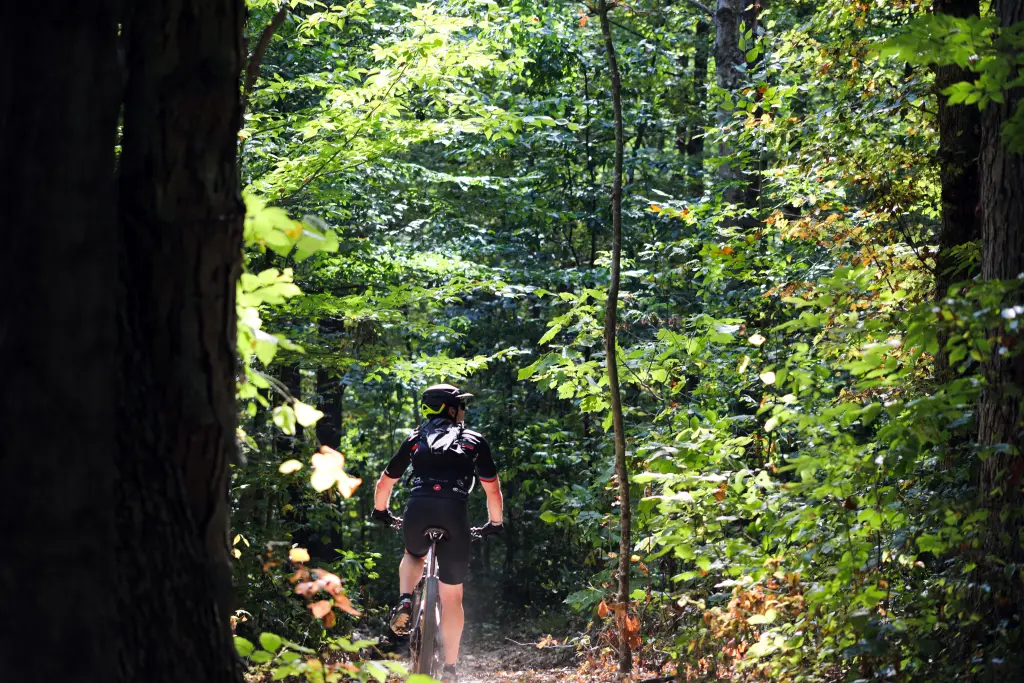
Michigan calls itself the Trails State, and the numbers hold up: more than 13,000 miles of state-designated trails, including 2,500+ miles of rail-trails spread across 136 corridors — a national benchmark. The League of American Bicyclists ranks Michigan tenth in the country, second in the Midwest. What the rankings can't convey is the geography: two peninsulas touching four of the five Great Lakes, which means a riding life here always ends up somewhere near big water.
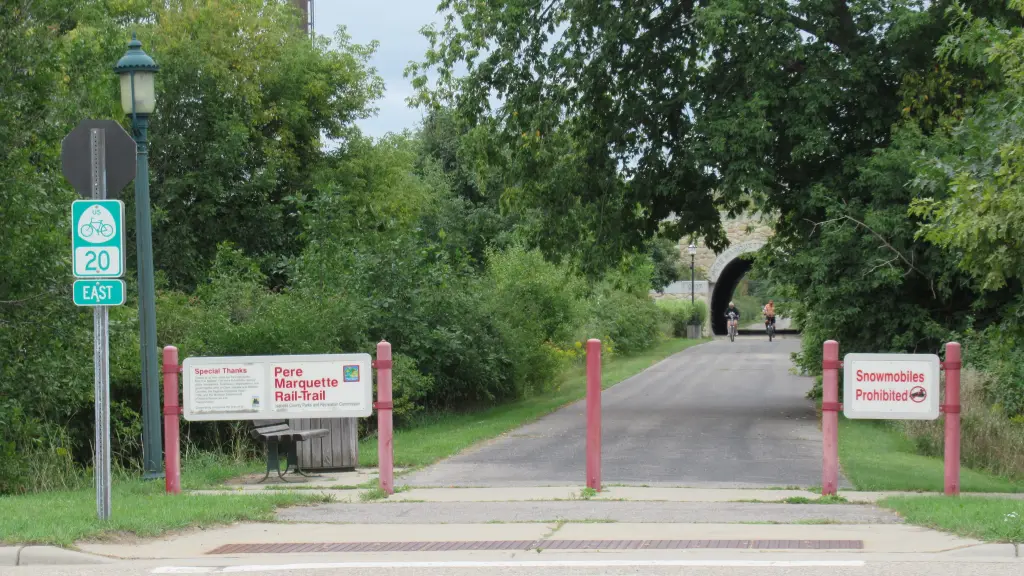
Rail-trails are the backbone. The Iron Belle Trail — the longest designated state trail in the nation — stretches from Belle Isle in Detroit to Ironwood at the far western tip of the Upper Peninsula, with the 791-mile biking route now more than 70% complete. The 92-mile White Pine Trail links Grand Rapids to Cadillac, the 30-mile Pere Marquette Rail Trail holds a spot in the Rails-to-Trails Conservancy Hall of Fame, and the Kal-Haven Trail carries riders from Kalamazoo to the Lake Michigan beach town of South Haven on crushed limestone. You can tour this state for weeks and rarely share pavement with a car.
Mountain bikers head north. Copper Harbor, at the literal end of US-41 on the Keweenaw Peninsula, has held an IMBA Silver-Level Ride Center designation since 2012 and stacks more than 50 miles of purpose-built singletrack — berms, rock slabs, elevated boardwalks — against a Lake Superior backdrop. Marquette's Noquemanon Trail Network adds 75+ miles with IMBA Epic status, and each November the Iceman Cometh Challenge closes the season by sending more than 5,400 racers through the woods from Kalkaska to Traverse City.
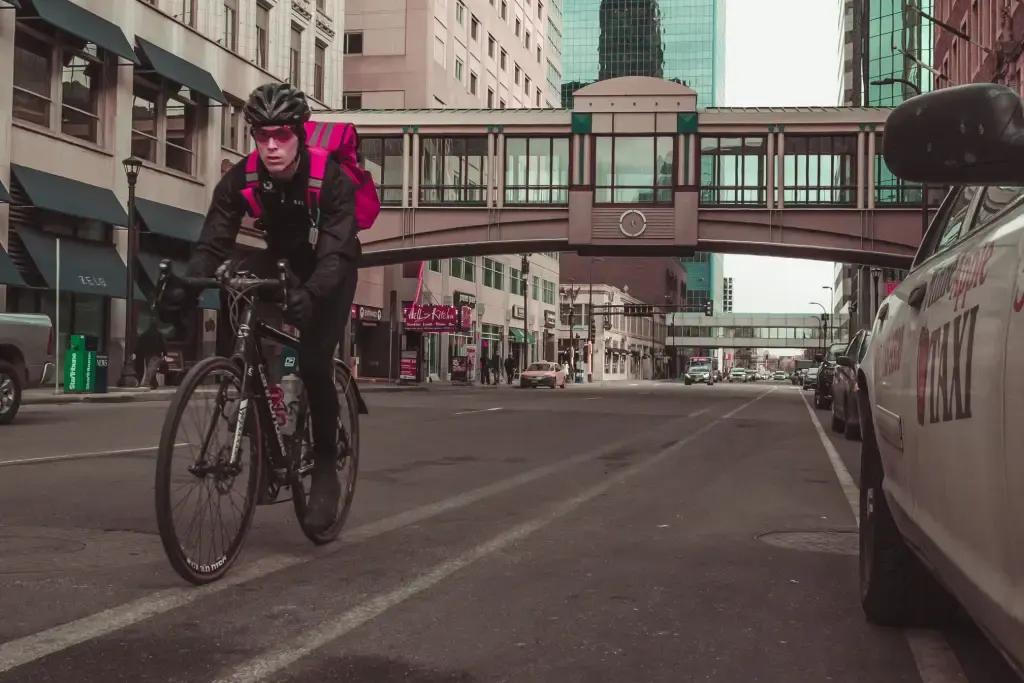 City riding is better than the Rust Belt reputation suggests. Detroit's Dequindre Cut drops riders into a graffiti-lined greenway twenty feet below street level, connecting Eastern Market to a RiverWalk where lake freighters slide past with Windsor on the far bank; both feed the 27.5-mile Joe Louis Greenway now taking shape around the city. On the other side of the state, Traverse City's TART network rates as the best bike network in Michigan in PeopleForBikes' City Ratings, stitching the town to vineyards, beaches, and the Leelanau Peninsula. Grand Rapids anchors the west side with the White Pine Trail heading north and a growing web of urban routes.
Not every mile is friendly. Lake-effect weather compresses the season, rural highways run fast with narrow shoulders, and outside the greenways the metro areas remain stubbornly car-first. But Michigan holds a card no other state can play: Mackinac Island banned cars in 1898 and never looked back, and in 2025 PeopleForBikes awarded it the first perfect 100 in City Ratings history — the best place to ride a bike in the world, and it's a ferry ride off the Michigan coast.
Michigan E-bike Laws
Three classes, a light rulebook, and state trails that opened to Class 1 in 2024. Here is where Michigan stands on e-bikes.
Michigan adopted the three-class, 750-watt framework in a three-bill package effective January 28, 2018, and kept the rulebook light: no license, no registration, no insurance for any compliant class. One Michigan wrinkle worth knowing: a Class 3 here is pedal-assist only — a throttle that works past 20 mph puts the bike outside the e-bike definition entirely.
The motor assists only while the rider is pedaling and cuts off at 20 mph (MCL 257.13e).
The motor may propel the bike to no more than 20 mph whether the rider is pedaling or not, and disengages when the brakes are applied.
Assistance only while pedaling, up to 28 mph — Michigan's Class 3 allows no throttle, unlike many states.
An electric bicycle is not a motor vehicle under Michigan law (MCL 257.33), so no license attaches to any class.
No title, no plate, no Secretary of State visit for a compliant 750-watt e-bike.
Michigan PA 140 of 2017 spells it out: e-bike riders carry no insurance mandate — coverage is on you.
No one under 14 may operate a Class 3 (MCL 257.662a); they may ride as passengers on one built for it. No age floor for Class 1 or Class 2.
Anyone under 18 who operates or rides as a passenger on a Class 3 wears a CPSC-standard helmet (MCL 257.662a); no statewide rule for Class 1 or Class 2.
Where You Can Ride
- Roads & bike lanesAll three classes ride with the rights and duties of vehicle drivers wherever bicycles ride (MCL 257.657).
- Linear trails & rail-trailsClass 1 is allowed by default on asphalt, crushed-limestone, and similar improved trails; Class 2 and Class 3 need the local authority to opt in (MCL 257.662a).
- SidewalksNo statewide ban — yield to pedestrians and signal before passing (MCL 257.660c); cities may restrict, as Grand Rapids does downtown.
- State parks & DNR trailsA DNR order effective August 8, 2024 opened state-managed nonmotorized trails, including natural surface, to Class 1; Class 2 needs a free mobility-disability permit, Class 3 stays off. Game areas and the North Country Trail remain closed, and Mackinac Island requires a state park commission permit.
- Out-of-class e-motosOver 750 watts, no operable pedals, or a throttle past 20 mph means the bike is not an electric bicycle — Michigan moped or motorcycle rules apply, license and registration included.
Effective January 28, 2018 under Michigan PA 138, 139, and 140 of 2017. Statutes: MCL 257.13e, 257.662a, 257.657, 257.660c, 257.33. Cities and park districts can add their own path and trail restrictions — check signage where you ride. Last reviewed July 2026.
Michigan Cycling Weather
Michigan riding runs April through October: warm, dry summers moderated by the Great Lakes, bookended by crisp shoulder seasons and a lake-effect winter best left to fat bikes.
Sunny days a year
Riding season
Apr - Oct
Michigan Cycling Destinations
Leelanau Trail
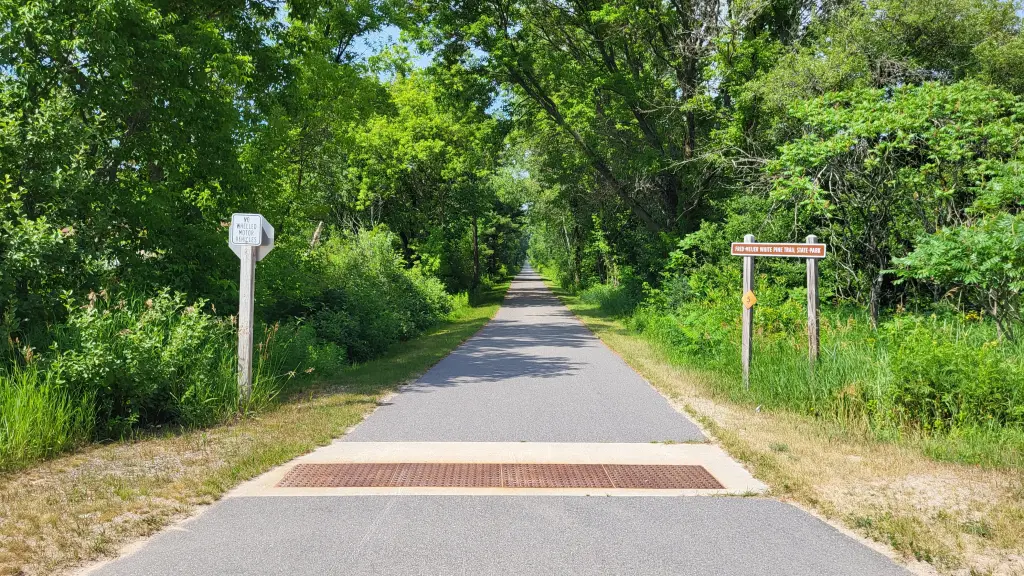
The Leelanau Trail follows the last of Leelanau County's railroad corridors — the old Manistee and North-Eastern roadbed — 17 paved miles from Traverse City's west side to the marina town of Suttons Bay. The scenery is the draw: cherry orchards, Riesling vineyards, cedar swamps, and small lakes, with wineries like Shady Lane Cellars and Black Star Farms a short detour off the corridor. Midway you pass the village of Bingham and the DeYoung Natural Area on Cedar Lake, and the grades roll more than a typical rail-trail — about 350 feet of gain — without ever demanding low gears for long. At the south end the trail plugs straight into the TART network along Grand Traverse Bay; at the north end, Suttons Bay's cafes sit two blocks from the trailhead. TART's seasonal Bike-N-Ride bus carries you and your bike back if one direction is enough.
M-185 Mackinac Island Loop
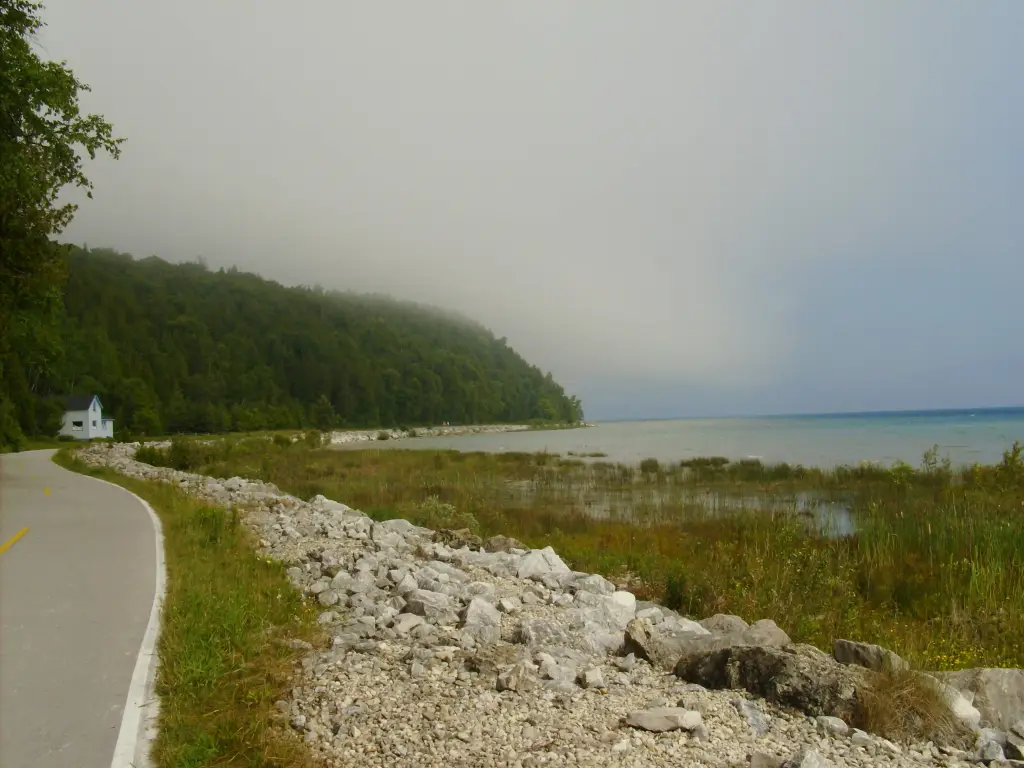
M-185 is the only state highway in America where motor vehicles are banned, which makes the 8.2-mile shoreline loop around Mackinac Island the rare road ride where the traffic is other bicycles and horse-drawn carriages. The pavement is smooth, the route is dead flat, and Lake Huron sits at your elbow the entire circuit. Riding counterclockwise from the ferry docks you pass beneath Arch Rock, a limestone arch rising 146 feet above the shore, then reach British Landing at the halfway point — the one spot with restrooms and snacks mid-loop. The Mackinac Bridge dominates the western horizon, and interpretive panels along the Native American Cultural History Trail line the route. Bring your own bike on the ferry or rent from the fleet of shops on Main Street; summer mornings before the day-trip crowds arrive are the quiet window. In 2025, PeopleForBikes rated the island a perfect 100 — the first in City Ratings history.
Copper Harbor Trails
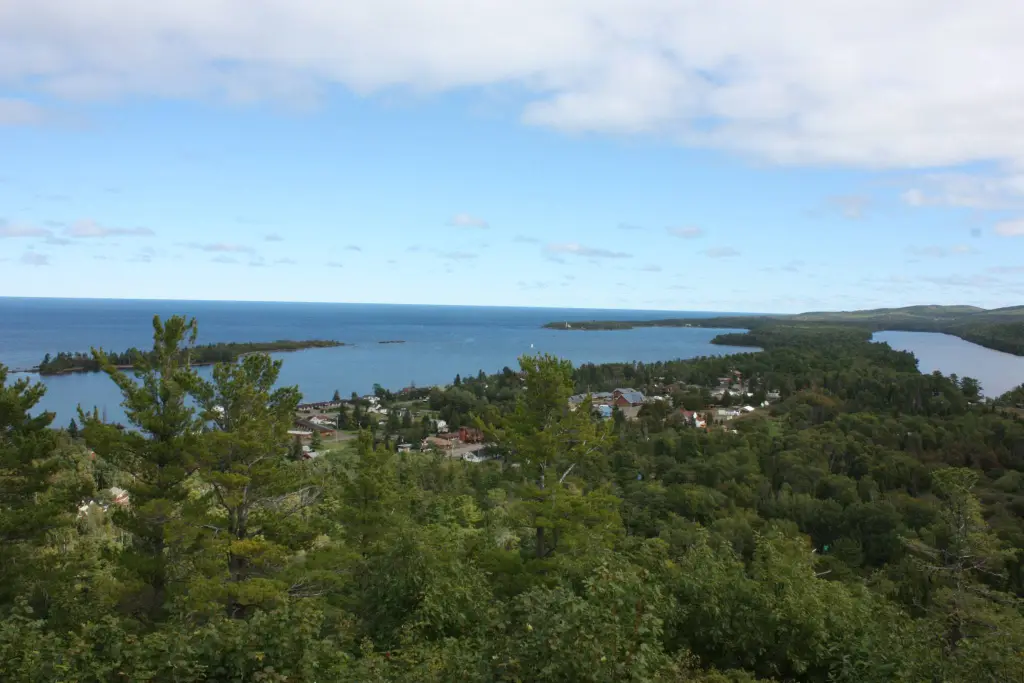
At the literal end of US-41 on the tip of the Keweenaw Peninsula, Copper Harbor is the Midwest's benchmark mountain bike town: an IMBA Silver-Level Ride Center since 2012, with more than 50 miles of hand- and machine-built singletrack stacked up the flank of Brockway Mountain. The standard day is a grind up the purpose-built Berry Picker climb followed by signature descents like The Flow, with Lake Superior filling the horizon from the overlooks. The trails mix bermed flow lines, rock slabs, and elevated boardwalks that reach over ten feet high, one-way where it matters and rated like a ski hill, so intermediates have real options alongside the expert lines. Town supplies exactly what a rider needs — rentals, shuttles, repairs, a handful of restaurants, and campgrounds. It is remote, 45 minutes north of Houghton, and that is precisely why the riding stayed this good.
Dequindre Cut & Detroit RiverWalk
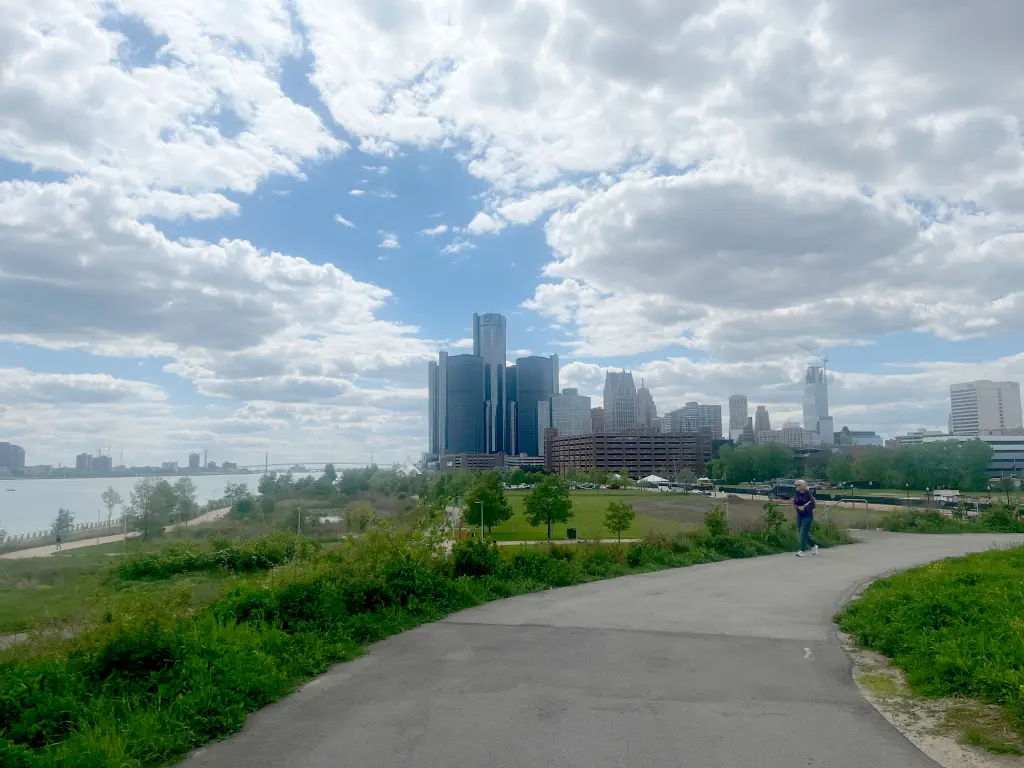
Detroit's signature urban ride links two car-free corridors: the Dequindre Cut, a sunken Grand Trunk railroad trench reborn as a 20-foot-wide paved greenway with separate bike and pedestrian lanes, and the Detroit RiverWalk, 3.5 miles of riverfront promenade with Windsor, Ontario across the water. The Cut runs below street level for about two miles between Eastern Market and the riverfront, its bridge abutments covered in commissioned and legacy graffiti — the corridor's visual identity. At the river you can spin east to Belle Isle's bridge or west through Hart Plaza and Ralph C. Wilson, Jr. Centennial Park, watching freighter traffic the whole way. Both paths are lit, patrolled, and heavily used, so keep a recreational pace through the busy stretches. Eastern Market at the Cut's north end supplies coffee, food, and Saturday crowds, and the whole ride is a link in the 27.5-mile Joe Louis Greenway now being assembled around the city.
Kal-Haven Trail
Michigan's first linear state park runs 33.5 miles on the bed of the 1870 Kalamazoo and South Haven Railroad, which hauled lumber for a century before abandonment in 1973. The surface is crushed limestone the whole way — fast on 32mm tires in dry weather, soft after spring thaw, when wider rubber is the right call. The corridor crosses a glacial moraine and strings together farmland, orchards, wetlands, and ghost towns like Mentha, a former peppermint-farm company town, plus trail villages including Bloomingdale and Grand Junction, where a restored depot and caboose mark the halfway point. The best-known structure is the covered bridge over the Black River near South Haven. Services are real but spaced out: water and vault toilets at trailheads, food in Bloomingdale and Gobles. The payoff for riding west is Lake Michigan itself — the trail ends a short spin from South Haven's beaches and lighthouse.
M-119 Tunnel of Trees
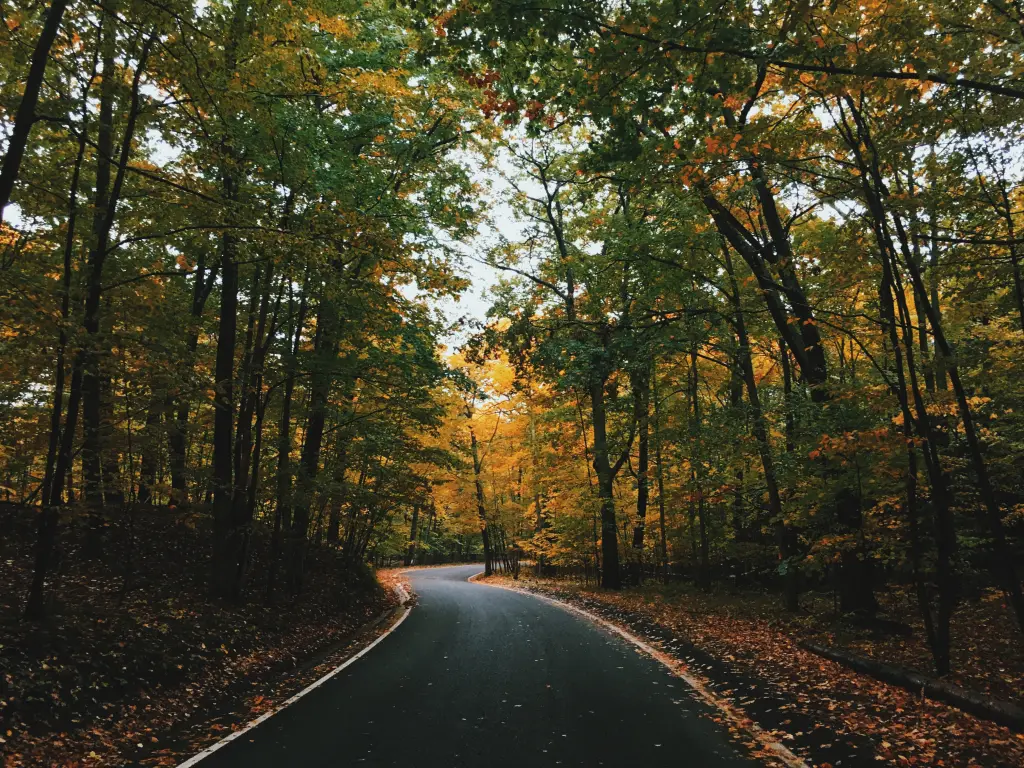
The Tunnel of Trees is Michigan's most famous road ride: 20 miles of narrow, centerline-free M-119 winding along a bluff above Lake Michigan from Harbor Springs to Cross Village, under a continuous canopy of maples, oaks, and birches. The road is a designated Scenic Heritage Route barely wider than a single lane, which keeps car speeds down but means riders should hold a single-file line, especially on peak fall-color weekends. The terrain rolls gently with a couple of honest climbs near Harbor Springs and lake glimpses through the trees to the west. Seven miles south of Cross Village, the Good Hart General Store — a combined post office, deli, and bakery — is the traditional stop, and Cross Village delivers the classic turnaround reward: Legs Inn, a stone-and-driftwood Polish restaurant overlooking the lake. Ride it on a weekday morning in June or September; you get the canopy without the leaf-peeper traffic.
Michigan Cycling Events
From Barry-Roubaix's 5,500-rider gravel spectacle to the Iceman Cometh finale, Michigan's events deliver premier riding on gravel, singletrack, and pavement.
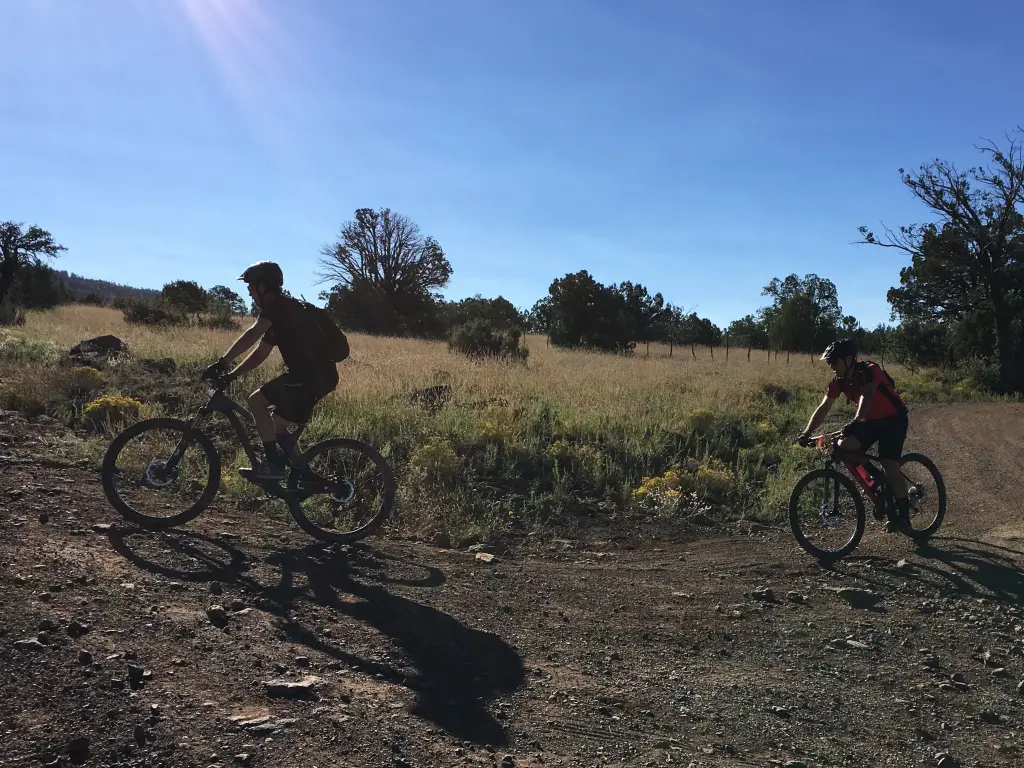
Barry-Roubaix
Barry-Roubaix bills itself as the world's largest gravel race, and the numbers back the claim: from 248 racers at the first edition in 2009 to more than 5,500 today, with the 2026 field selling out in 24 hours. The course rolls through Barry County near Yankee Springs Recreation Area — roughly 80% gravel, plus pavement, a mile of rough two-track, rocks, sand, and often April mud or snow. Four distances cover everyone from the 18-mile Chiller to the 100-mile Psycho Killer with its 7,000+ feet of climbing and 400-rider cap. The race pays out over $40,000 in cash and prizes, riders 18 and under race the shorter events free, and Hastings turns the finish into a street festival with food, beer, and live music.
Event website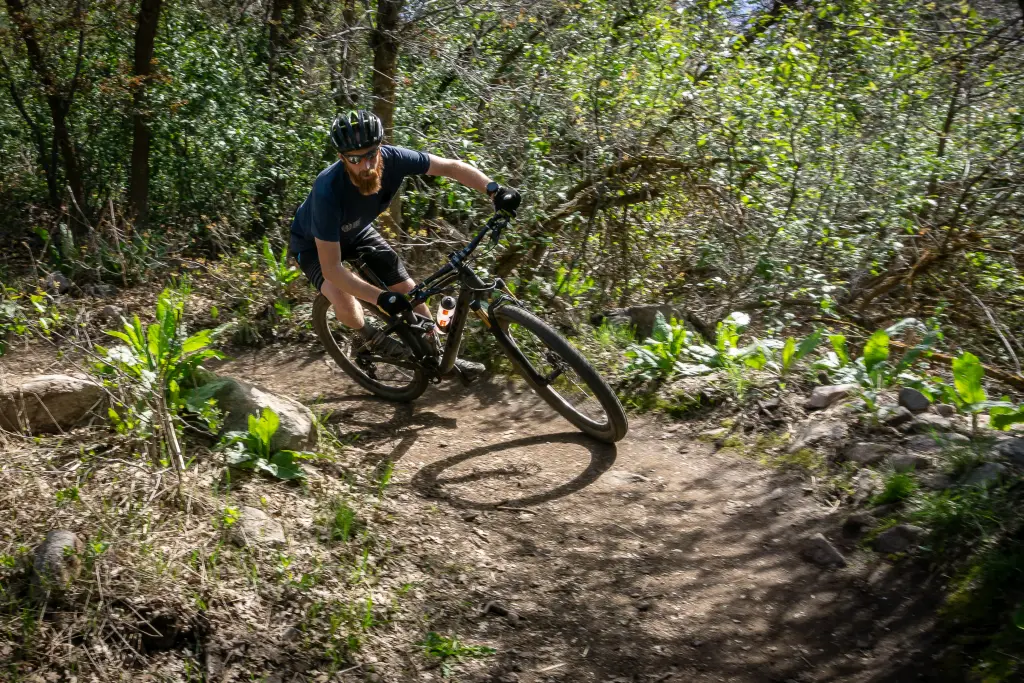
Iceman Cometh Challenge
Since 1990, the Iceman Cometh Challenge has closed Michigan's mountain bike season with a roughly 30-mile point-to-point race from Kalkaska to Timber Ridge Resort in Traverse City, run the first Saturday of November in whatever weather northern Michigan serves up. The first edition drew 35 riders; today more than 5,400 adults and 600 kids race across 77 age divisions while nearly 12,000 spectators line the singletrack and forest roads. The weekend includes the 9-mile Meijer Slush Cup for beginners, free youth races, and the Friday Ice Cycle Expo at Grand Traverse Resort. Produced by the Festival Foundation of Traverse City with Bell's Brewery as title sponsor, it routinely sells out within days of registration opening in March.
Event website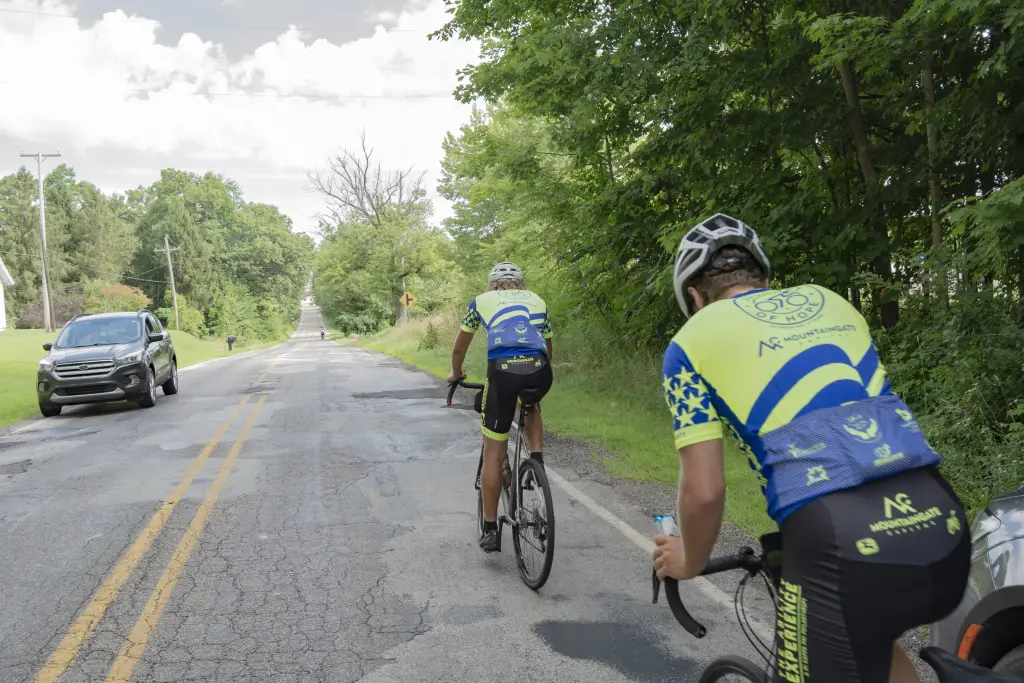
Zoo-de-Mack
Zoo-de-Mack is northern Michigan's social ride: 51 miles from The Highlands resort in Harbor Springs to Mackinaw City, capped with a ferry to Mackinac Island and a night of parties. The route skirts Lake Michigan with views of the Mackinac Bridge, and riders can shorten the distance if the pace — or the previous night's pre-ride bash — catches up with them. Registration includes the Friday-night party with a live band, luggage transport to Mackinaw City, lunch at the landmark Legs Inn in Cross Village, and a finish-line celebration; ferry tickets are separate. Run since the early 1990s, the 2026 ride marked the 36th edition. It is a ride, not a race: no timing, no podiums, one very long after-party.
Event website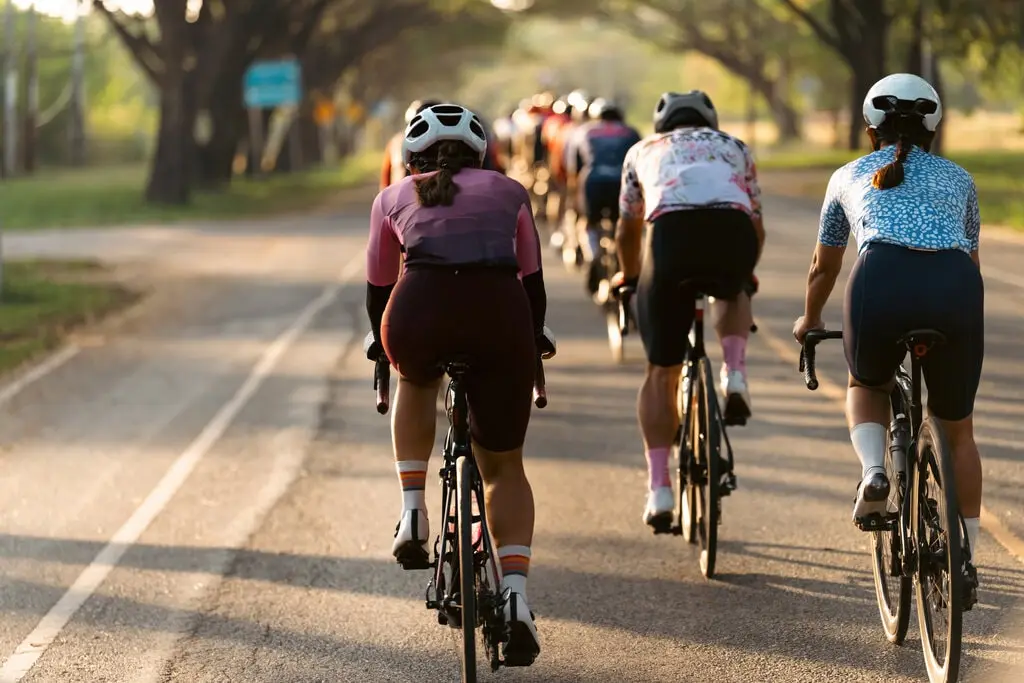
DALMAC
DALMAC is Michigan's end-of-summer institution: a fully supported bicycle camping tour from Michigan State University in Lansing north to Mackinaw City, first ridden in 1971 when a state legislator set out to prove bikes and cars could share Michigan roads. The 2026 edition is the 55th tour. Riders choose among seven routes — from a 2-day, 84-mile trail option to the 5-day West at 325 miles and a 4-day West that stretches to 402 miles with the quad-century add-on, plus a dedicated 5-day gravel route. Support is comprehensive: on-road SAG, baggage transport, mechanics, overnight camping, showers, and meals. The Tri-County Bicycle Association, a Lansing volunteer club, has run it for over five decades, with return buses from the bridge.
Event website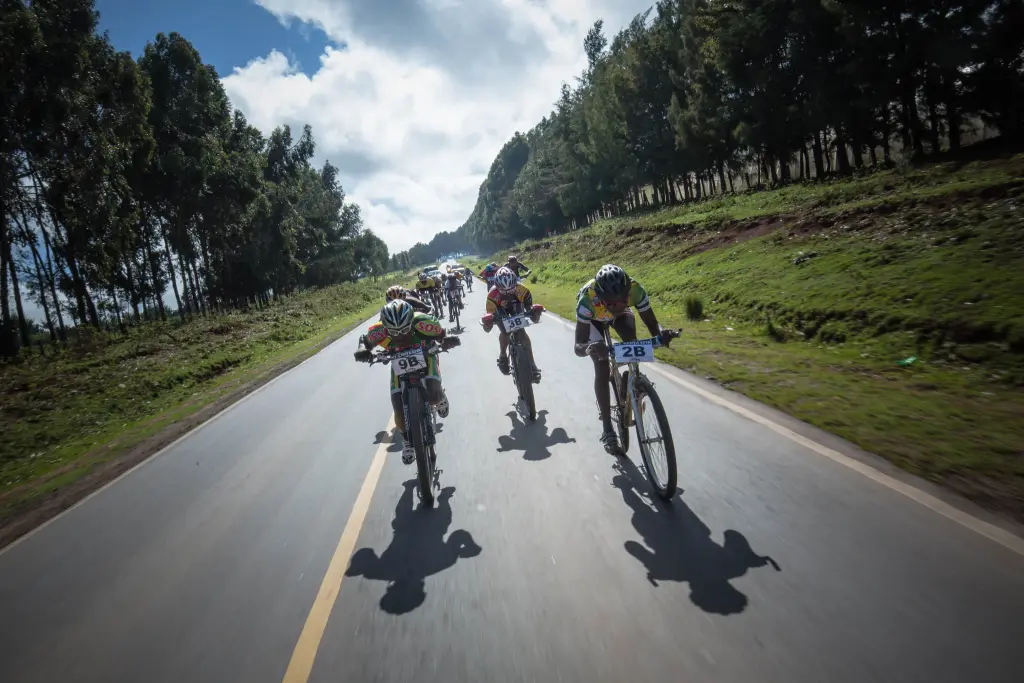
Ore to Shore Mountain Bike Epic
Ore to Shore sends up to 2,500 riders across the Upper Peninsula's iron country, from the old mining town of Negaunee to the Lake Superior shore in Marquette. Six events cover every age and ability: the 48-mile Hard Rock launches from downtown Negaunee's Iron Street, the 28-mile Soft Rock and 10-mile Shore Rock follow, and a 50-yard Littlest Rock handles the toddlers. The course mixes two-track, snowmobile trail, singletrack, and old railroad grade through terrain literally built on ore. The race runs as a nonprofit, plowing proceeds into trail building and youth mountain biking in Marquette County, and the 2026 running marks the 27th annual edition.
Event website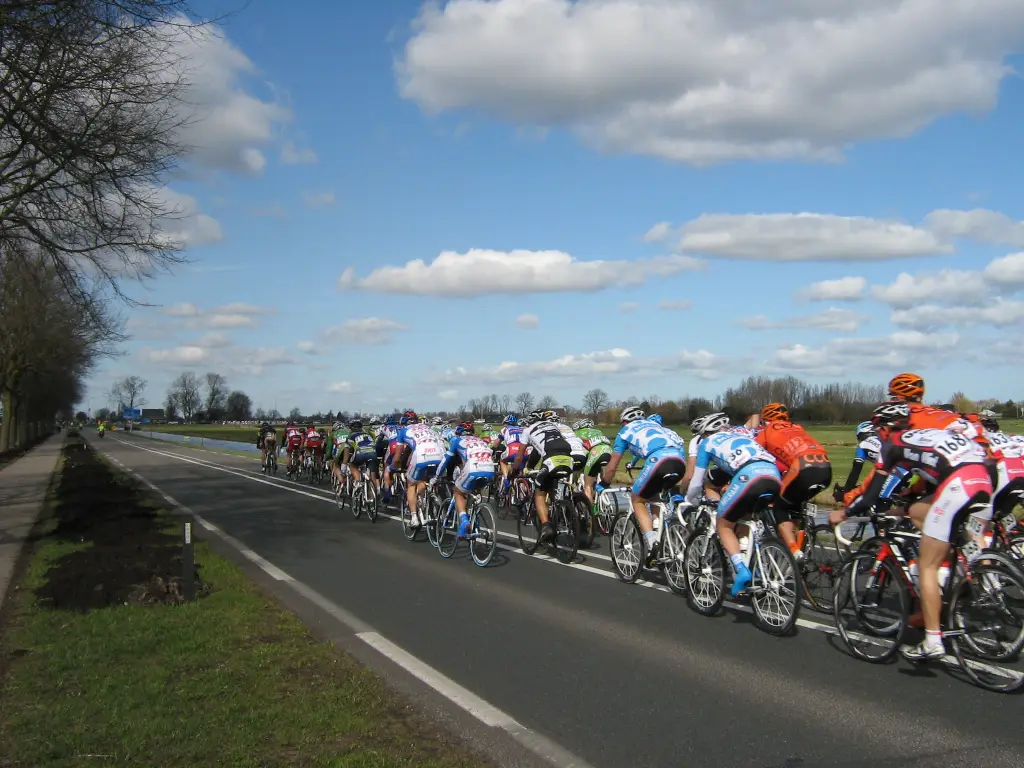
Apple Cider Century
The Apple Cider Century has rolled out of the village of Three Oaks on the last Sunday of September since 1974, growing into one of the Midwest's largest one-day rides with up to 4,000 participants. Seven routes from 15 to 100 miles loop through the orchards, forests, and wine country of Michigan's southwest corner — an easy draw for Chicago riders just across the state line. The Three Oaks Spokes Bicycle Club runs the whole weekend, including a Saturday spaghetti dinner and an all-you-can-eat Sunday breakfast, and children 12 and under ride free. It is a tour, not a race: cider and doughnuts at the rest stops are as much the point as the mileage.
Event websiteMichigan E-bike Law and Insurance FAQ
- What are the e-bike laws in Michigan?
- Michigan adopted the three-class, 750-watt framework through Michigan PA 138, 139, and 140 of 2017, effective January 28, 2018. A compliant e-bike is not a motor vehicle, so no driver license, no registration, and no insurance apply to any class. The state wrinkle: Class 3 is pedal-assist only, riders must be 14 or older to operate one, and anyone under 18 on a Class 3 wears a helmet.
- Do Class 1, Class 2, and Class 3 e-bikes need insurance in Michigan?
- Insurance is your choice in Michigan. Class 1 assists only while pedaling and cuts off at 20 mph, Class 2 adds a throttle up to 20 mph, and Class 3 is pedal-assist only up to 28 mph with no throttle allowed. Michigan PA 140 of 2017 spells out that none of the three carries an insurance mandate. A standalone Velosurance policy fills that gap, starting around $9 per month.
- What does bicycle and e-bike insurance cover in Michigan?
- A standalone Velosurance policy covers theft, accidental and crash damage, and damage in transit, with optional liability and medical payments coverage. Since Michigan requires no e-bike insurance, the policy exists for the risks the state leaves with you: a bike stolen in Detroit, a crash on a rail-trail, or damage on the drive up north. Policies start around $9 per month.
- Which e-bike classes are allowed on Michigan DNR state trails?
- Class 1, the pedal-assist-only bike that cuts off at 20 mph, rides state-managed nonmotorized trails, including natural surface, under a DNR order effective August 8, 2024. Class 2, which adds a throttle up to 20 mph, needs a free mobility-disability permit. Class 3, pedal assist to 28 mph, stays off. Game areas and the North Country Trail remain closed, and Mackinac Island requires a permit.
Michigan e-bike laws explained: classes, age limits, and what changes next.



Why Velosurance is best for your bicycle
Not all types of insurance are created equal. Velosurance levels the playing field by offering stand-alone bicycle coverage, where claims won't affect your homeowner's or renter's policy premiums.
| Policy Coverage |  | Homeowner/Renters Policy |
|---|---|---|
| Insured at Full Value | Yes | Possibly |
| Crash Damage | Yes | No |
| Theft Coverage | Yes | Limited |
| Theft by Force | Yes | No |
| Theft of Accessories | Yes | Limited |
| Theft Away From Home | Yes | Possibly |
| Uninsured Motorist | Yes | No |
| Personal Liability | Yes | Possibly |
| Permissive Use Policy | Yes | No |
| Replacement Rental | Yes | No |
| Event Fee Return | Yes | No |
| Cycling Apparel Coverage | Yes | No |
| Medical Payments | Yes | Possibly |
| Racing Coverage | Yes | No |
| E-bikes | Yes | No |
| Coverage in-transit | Yes | No |
| USAC, USAT and IMBA Member Discount | Yes | No |
| FREE INSTANT QUOTE |
Not all insurance policies provide the same level of protection, and many people only discover gaps in their coverage after filing a claim. We’ve done the hard work of reviewing the fine print. To see how plans compare, check out our insurance comparison.
Client satisfaction is our #1 goal. Here's what our clients say about Velosurance


Velosurance really stepped up and put me at ease. The claim was fast and easy. I am insuring all my bikes now.

Check out Velosurance reviews to see what people are saying about us.
Michigan's best bicycle and e-bike insurance
No matter where your adventures take you, protect your bicycle and yourself from the unexpected with America's best bike insurance.