


For renters and car-free riders
Coverage Built for the Bike You Ride Every Day.
It lives in the hallway, it sits locked outside for eight hours a day, and it's the thing you own most likely to be stolen. Velosurance insures it on its own policy, independent of renters insurance.
- Stated value, no depreciation. A total loss pays what you insured the bike for.
- Crash, theft, and transit damage. Theft is subject to the policy's locking conditions.
- Class 1, 2, and 3 e-bikes covered the same way as any bike.
Renters Insurance Technically Covers Bike Theft. In Practice, the Deductible and Depreciation Eat Most of the Payout.
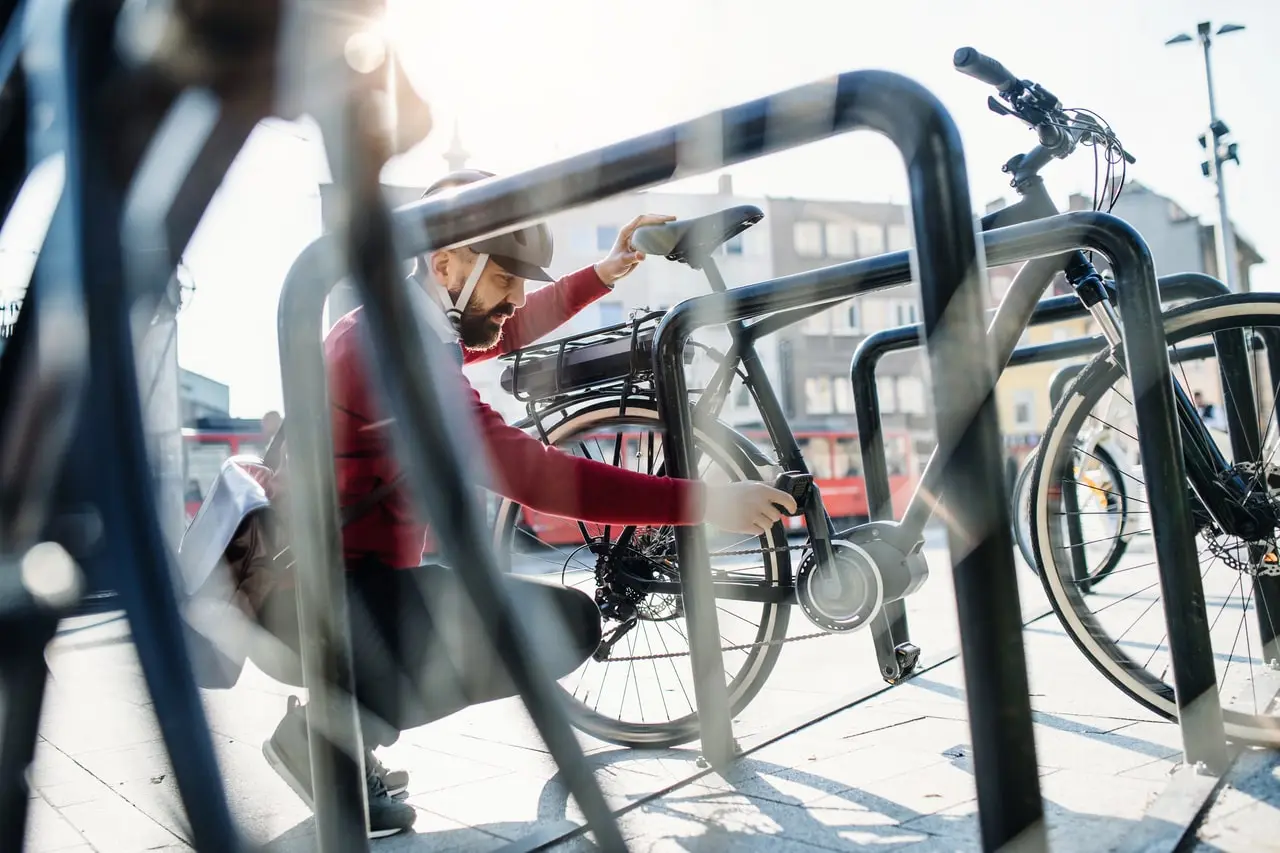
Yes, theft is a named peril on a renters policy. That's the part most riders check, and for many it's the only part. The payout is where it breaks down.
It pays a depreciated number. Many renters policies settle personal property at actual cash value, meaning what the bike is worth today rather than what it costs to replace, unless you've added replacement cost coverage. A three-year-old $2,500 e-bike can settle closer to $1,500 before the deductible comes off.
The deductible eats the claim. Renters deductibles commonly run $500 to $1,000. On a $900 commuter bike, a theft claim can pay almost nothing.
Some policies cap bikes or property away from home. Check your declarations page for a special limit on bicycles and for how property off the premises is covered. A bike stolen from a rack outside the office is the theft that happens most.
Parts theft rarely clears the deductible. A stolen wheel, saddle, or battery is a real loss and a small claim, usually smaller than what you'd pay out of pocket first.
What Renters Insurance Typically Doesn't Pay For

Crash damage. A crash, a drop, a car door, a rack that gives way: accidental damage to your own bike is not a named peril on a renters policy. For riders who use the bike every day, it's the most common loss there is.
E-bikes. Renters policies routinely exclude anything with a motor. Some carriers draw the line at throttles or higher speeds; others exclude every e-bike. Read the motorized vehicle exclusion before you count on it.
Damage in transit. A bike damaged on a car rack, on a train, or by an airline falls outside the named perils.
Injuring someone on an e-bike. Renters liability usually carries the same motorized vehicle exclusion, so a collision with a pedestrian on an e-bike can land outside it.
Your own injuries. Renters medical payments coverage is built for guests hurt in your home, not for you after a crash.
The driver who can't pay. Renters insurance has no uninsured motorist coverage. If you don't own a car, you may have no uninsured motorist coverage anywhere.
When the Battery Catches Fire in a Rented Apartment
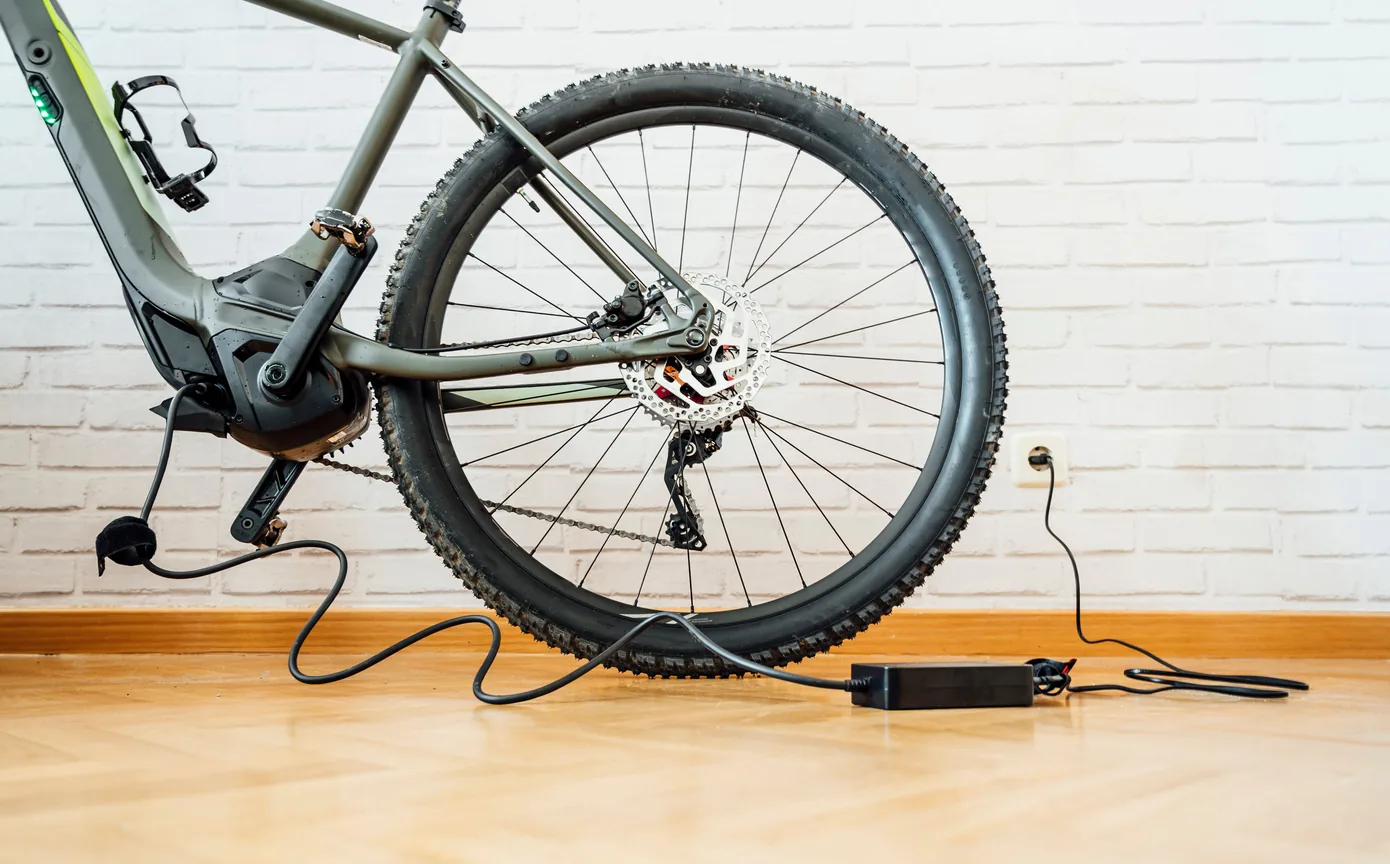
Lithium-ion battery fires are rare and almost entirely a problem of uncertified packs. They are also an apartment problem: the battery charges a few feet from the bed, often in the path to the only door. A UL Standards survey found 49% of e-bike owners charge in a spot that blocks their exit. In New York City, battery fires killed 18 people in 2023; after the city required UL 2849 or UL 2271 certification for every e-bike and battery sold there, the 2025 count was one.
Fire is a named peril. The e-bike may not be covered property. Renters insurance pays for your belongings after a fire: the couch, the laptop, the pedal bike. If your policy's motorized vehicle exclusion reaches the e-bike, the most expensive thing in the room is the one it skips, whether or not the bike started the fire.
The building is the bigger bill. A fire that reaches the hallway or the unit next door brings claims from the landlord's insurer and from the neighbors, and they come to you. Renters liability may respond, but read its motorized vehicle exclusion too; carriers differ on whether it applies to an e-bike at all.
Landlords have noticed. New York management companies have banned e-bikes from their buildings outright, some even when the battery is certified, and many buildings now require proof of liability insurance before an e-bike can be stored or charged on the premises. Expect the question at your next lease renewal.
What Velosurance pays. The core policy is all-risk, so a bike destroyed by fire is a covered loss at the value you insured it for, minus your deductible, including a fire that started somewhere else in the building. Optional liability applies while the bike is stored as well as ridden and pays for damage to other people's property, a neighbor's unit included, up to the limit you choose, from $25,000 to $500,000, plus the cost of defending a covered claim. It must be elected before the fire.
Charge while you're awake and in the room, keep the bike out of the path to the door, and use only the charger that came with it.
The Claim That Stays on Your Record for Seven Years

Every renters claim is logged. Insurers report claims to a shared database, the Comprehensive Loss Underwriting Exchange (CLUE), where they stay for up to seven years. The next carrier you apply to pulls that report before quoting you, and a prior claim means a higher rate.
Renters change addresses, and the claim comes along. Every new lease means a new quote, and every new quote starts with that report. One stolen bike can be repriced three or four times by carriers that have never met you.
You can't just drop the policy. Many leases require renters insurance, so the policy that got more expensive isn't one you can walk away from. You keep paying the surcharge on coverage you're required to carry.
The math is lopsided. The average renters policy runs about $171 a year (NAIC data for 2022, published by the Insurance Information Institute), and after seven straight years of declines that average has started climbing again. Set a depreciated payout of around $1,000 on a $2,500 e-bike against up to seven years of higher renewals, and the trade looks thin.
A Velosurance policy is separate from your renters policy. A bike claim stays with the bike, and your renters record stays clean.
How Velosurance Covers the Bike

A Velosurance policy is standalone. You don't need renters insurance to buy it, and it never touches your renters policy if you have one. Policies start at $9 a month.
It's all-risk. The core policy is all-risk, meaning anything not specifically excluded is covered: crash and accidental damage, theft, and damage in transit by car, airline, or courier. Physical damage claims are subject to your deductible.
It pays stated value. Your bike is insured at stated value with no depreciation. A total loss pays the value you insured it for.
Theft coverage follows clear rules. Away from home, lock the bike to an immovable object with an appropriate security device. At home, a theft claim needs signs of forcible entry. Either way, file a police report the same day.
E-bikes are covered like any bike. Class 1, Class 2, and Class 3 e-bikes, up to 28 mph assisted, are covered the same way as conventional bikes. See e-bike insurance.
Parts and gear come along. Spare parts and cycling apparel are covered up to $500 per occurrence with a $1,000 policy term limit and no deductible; apparel is covered when it's damaged in a covered loss to the bike.
Commuting is covered; delivery is not. The policy covers personal use, including your ride to work. Delivery and courier gigs are commercial use and suspend coverage.
Coverages Renters Insurance Doesn't Offer
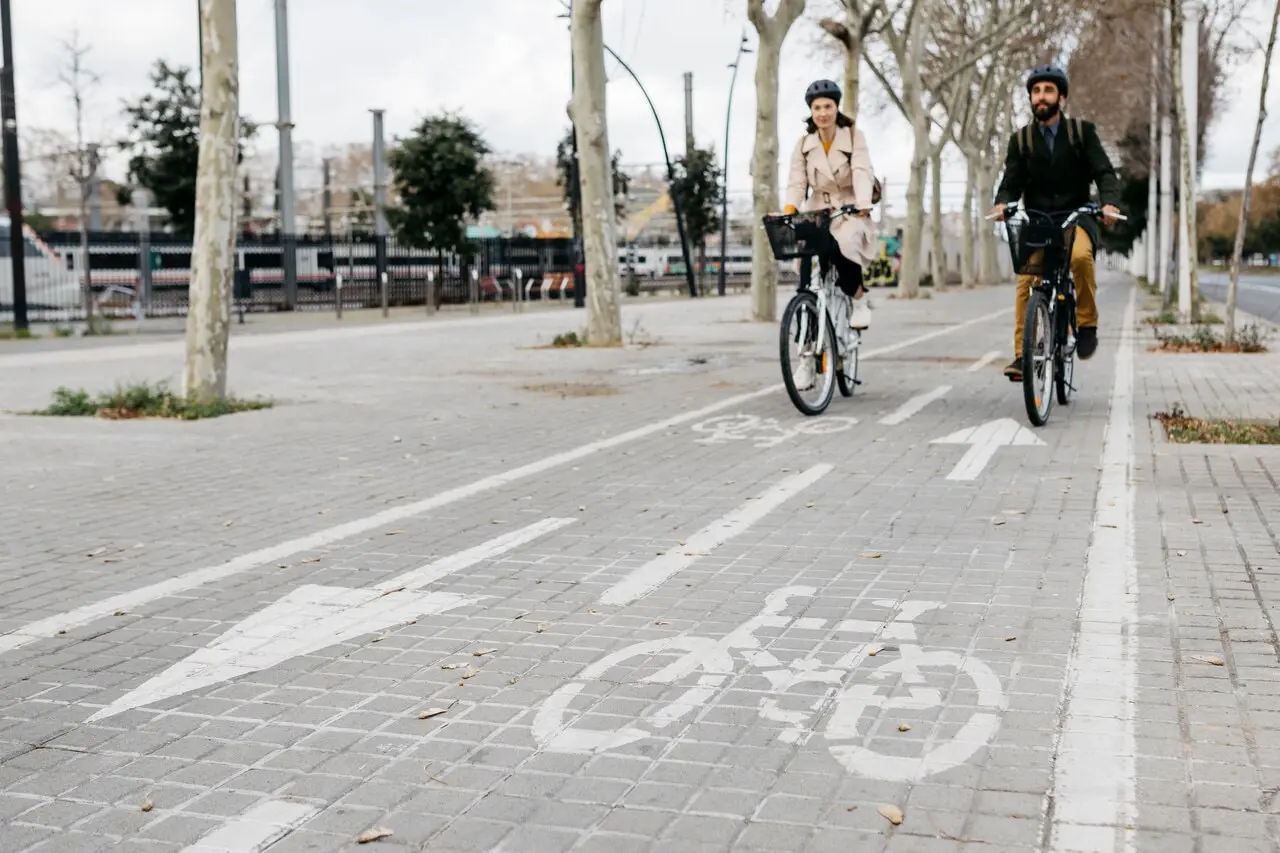
When the bike is your vehicle, the bigger risks aren't about the bike. Add any of these coverages when you set up the policy. For any of them to apply, it must be elected before the accident.
Liability. If you injure someone or damage their property while riding, liability pays for your defense and for covered settlements or judgments up to the limit you choose, from $25,000 to $500,000. New Jersey now requires e-bikes to be insured; see e-bike liability insurance.
Medical gap. After your health plan pays its share, medical gap reimburses what's left: the deductible, copays, and co-insurance, regardless of the driver's insurance. If you have no health insurance, it pays first. Limits run from $1,000 to $10,000.
Uninsured motorist. When the driver who hits you can't pay, uninsured motorist coverage pays for losses beyond medical bills, such as lost wages. It comes with a $10,000 or $25,000 limit. If you don't own a car, it may be the only uninsured motorist coverage you have.
Velosurance vs. Renters Insurance, Side by Side
| What you actually get at claim time |  | Renters |
|---|---|---|
| How your bike is valued | Stated value | Depreciated |
| Crash and accident damage | Covered | Not covered |
| Theft away from home | Covered | Limited |
| E-bikes (Class 1, 2, 3) | Covered | Often excluded |
| Damage in transit (car rack, airline, courier) | Covered | Not covered |
| Spare parts and cycling apparel | Covered | Limited |
| Personal liability while riding | Optional | Limited |
| Medical gap (your costs after your health plan pays) | Optional | Not offered |
| Uninsured motorist | Optional | Not offered |
| Renters policy required to buy | Not required | Not applicable |
| Typical deductible | $200 - $500 | $500 - $1,000 |
| Effect on your renters premium after a claim | None | Negative |
| Get a quote |
What This Looks Like at Claim Time
A $2,500 e-bike, three years old, stolen from a bike rack outside your office.
| Scenario element | | Renters policy |
|---|---|---|
| Bike value at purchase | $2,500 | $2,500 |
| Insured at | Stated value | Actual cash value |
| Estimated value after 3 years | $2,500 | ~$1,500 |
| E-bike eligibility | Covered | Often excluded |
| Deductible applied | $200 (your choice) | $500 (typical renters) |
| Estimated payout | $2,300 | ~$1,000 or $0 |
| Effect on future renters premium | None | Negative |
| Get a quote | ||
Illustrative figures based on typical renters terms. Velosurance payout assumes the bike was locked to an immovable object with an appropriate security device and a police report was filed; it reflects stated value minus a $200 deductible. | ||
Frequently Asked Questions
Does renters insurance cover bike theft?
- Renters insurance lists theft as a covered peril, so a stolen bike can be claimed. The payout is the catch: many renters policies pay actual cash value (the bike's depreciated worth), subtract a deductible that often runs $500 or $1,000, and some cap bicycles or property away from home. A Velosurance policy pays the value you insured the bike for, with no depreciation, subject to the policy's locking conditions.
Can I buy bike insurance without renters insurance?
- Yes. A Velosurance policy is standalone: you can buy it with or without renters insurance, and it needs no home or apartment policy behind it. It covers crash and accidental damage, theft (subject to the policy's locking conditions), and damage in transit, and you can add liability, medical gap, and uninsured motorist coverage before you ride.
Are Class 1, Class 2, and Class 3 e-bikes covered by renters insurance?
- Velosurance covers all three classes the same way it covers a conventional bike: Class 1 (pedal assist to 20 mph), Class 2 (throttle to 20 mph), and Class 3 (pedal assist to 28 mph). Renters policies are less predictable. Many routinely exclude anything with a motor, so read your policy's motorized vehicle exclusion before you count on it for theft or liability.
How does a bike claim affect my renters insurance rates?
- A Velosurance claim stays on your Velosurance policy and stays out of your renters claim history. A renters claim is reported to the CLUE database, where it stays for up to seven years and is read by the next carrier you apply to, and a prior claim means a higher rate. On a bike worth little more than your deductible, that is a steep trade for a small check.
Does renters insurance cover an e-bike destroyed in a battery fire?
- A Velosurance policy does: the core policy is all-risk, so a bike destroyed by fire, including one that started elsewhere in the building, pays the value you insured it for, minus your deductible. Renters insurance lists fire as a named peril, but many policies carry a motorized vehicle exclusion that can leave the e-bike out, so read that clause before counting on it. Optional liability covers damage to other people's property from a battery fire, up to the limit you choose, when elected before the fire.
What do I need to get a stolen bike claim paid?
- Meet the policy's locking conditions and file a police report the same day. Away from home, the bike must be locked to an immovable object with an appropriate security device; at home, a theft claim needs signs of forcible entry. Give the police the time, the place, and the lock you used.
What does bike insurance cover that renters insurance doesn't?
- Bike insurance covers crash and accidental damage, the loss renters insurance skips because a crash is not a named peril. Velosurance also offers liability while riding ($87 a year for a $50,000 limit), medical gap for your out-of-pocket costs after your health plan pays, and uninsured motorist. For any of them to apply, it must be elected before the accident.
Is Velosurance an all-risk policy?
- Yes. The core policy is all-risk, meaning anything not specifically excluded is covered: crash and accidental damage, theft (subject to the policy's locking conditions), and damage in transit by car, airline, or courier. Exclusions include wear and tear, cosmetic damage that does not affect function, and commercial use. Physical damage claims are subject to your deductible.
Ready to Insure Your Bike on Its Own Policy?
Get a free quote in under a minute. No renters policy required. No depreciation. No claim on your renters record.
Get my free quote