


For homeowners with bikes in the garage
Coverage built for the bikes you ride, race, and travel with.
A $5,000 bike faces risks a home policy was never written for: a crash, a rack failure on the highway, a theft at the trailhead. Velosurance insures it on its own policy, independent of homeowners insurance.
- Stated value, no depreciation. A total loss pays what you insured the bike for.
- Crash, theft, and transit damage. Theft is subject to the policy's locking conditions.
- Claims stay separate. A bike claim stays off your home insurance record.
Homeowners insurance covers your bike against the wrong perils, at the wrong limits.

Partly, and the answer depends on what happens, not where you are. Homeowners is a named-perils policy. The type of loss matters more than your location at the time.
If your bike is stolen while you're out riding, homeowners will pay, but only up to your off-premises personal property limit (typically about 10% of your contents coverage), depreciated to actual cash value, minus your homeowners deductible. On a $5,000 bike, the payout is often a fraction of replacement cost.
If you crash, homeowners does not pay, anywhere. A crash, a drop, a rack failure on the highway, or backing your car into the bike in your own driveway, none of these are named perils. Accidental damage to your own bike is not covered under any homeowners form.
If you injure someone or damage their property while riding, homeowners liability may respond on a traditional bicycle, but commonly excludes motorized vehicles (which can pull e-bike incidents out of coverage) and organized competition.
In other words, homeowners covers your bike against the wrong perils at the wrong limits the moment you actually start riding it. The list below breaks down what that looks like in practice. For the short version, see why a Velosurance policy is superior to homeowners coverage. Renting instead? See Velosurance vs. renters insurance.
What homeowners policies typically don't pay for

Crash damage. Homeowners covers named perils like fire, theft, and vandalism. A crash, a drop, or shipping damage is on you. For most cyclists, this is the most common type of loss.
The full value of your bike. Bikes are paid out at actual cash value (depreciated), and most policies apply a per-claim deductible of $500 to $2,000. A five-year-old $5,000 bike can settle for well under $2,000 after depreciation and deductible.
High-value bikes without scheduling. Many policies cap bike payouts at $1,000 to $2,500 unless the bike is separately scheduled. And scheduling still won't add crash or racing coverage.
E-bikes. Many carriers exclude e-bikes as motorized vehicles. The exclusion practice varies: some apply to all classes, others draw the line at throttle-assist or higher-speed models. Check your policy before you ride. The exclusion, and what covers the e-bike instead, is explained on the homeowners insurance e-bike exclusion page.
Training, organized rides, and racing. Homeowners excludes losses during training, organized rides like gran fondos and bike festivals, and any form of timed competition.
Theft by force. If your bike is taken from you by force or threat of force, homeowners policies typically don't cover it.
Theft off-premises beyond a small limit. Coverage away from home is usually capped at roughly 10% of your personal property limit, so a bike stolen at a coffee shop or trailhead may be only partially covered.
Cycling apparel and gear. Helmets, shoes, kit, glasses, computers, lights, racks, and bags are generally not covered as bike property under a homeowners form. Anything covered under contents is capped, depreciated, and subject to the homeowners deductible.
Damage in transit. Shipping your bike for a race, a trip, or a sale isn't covered by most homeowners policies. Transit and shipping damage is one of the most common claims a bike-specific policy actually pays.
And one cost that doesn't show up in the policy form

A homeowners claim can raise your premium for years or, in some cases, contribute to non-renewal. The home insurance market is under real pressure from hurricanes, wildfires, flooding, and rising materials and labor costs. Carriers are scrutinizing claims more closely than they used to, and severity isn't the only thing that matters; frequency does too. A modest bike-theft claim can tip an otherwise clean record into a steeper renewal or a non-renewal letter, especially with any prior claim already on file. And that history follows you to any new carrier.
How Velosurance covers the bike

A Velosurance policy is built for the way bikes are actually lost and damaged. Bikes are insured at agreed value: paid out at the agreed amount, not a depreciated number, and not capped by a sub-limit on a homeowners form. Coverage includes crash damage, theft from any location, theft of parts and accessories, theft by force, damage in transit, cycling apparel and accessories, and e-bikes (Class 1, 2, and 3). When you buy a new bike mid-policy, it's automatically covered between purchase and your policy update. If your bike is in the shop after a covered loss, loaner-bike coverage keeps you riding. And because the policy is standalone and primary, a claim against it does not touch your homeowners history.
Coverages your homeowners policy doesn't offer at all
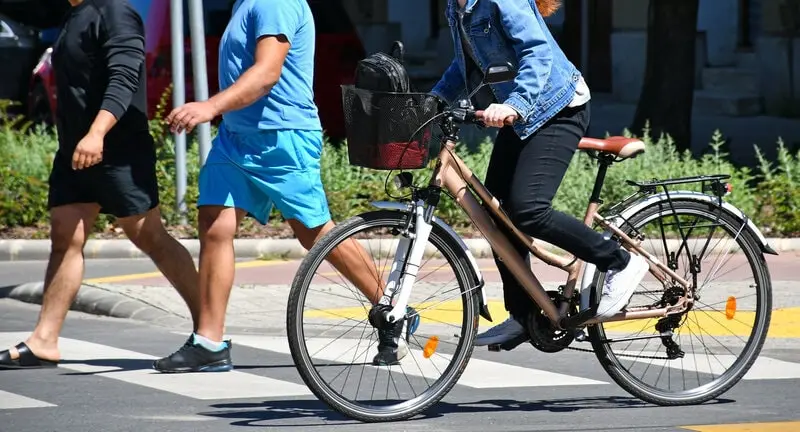
Bikes aren't just property. Cycling carries its own liability, medical, and on-the-road risks that homeowners policies were never structured to address. You can add any of these optional coverages to a Velosurance policy when you set it up.
Personal liability while riding. If you hit a pedestrian or another rider, or damage someone's property, you can be held responsible. Homeowners liability commonly excludes motorized vehicles, which can pull e-bike incidents out of coverage, and excludes organized events and racing. Velosurance liability is built specifically for cyclists, including e-bike riders.
Uninsured and underinsured motorist (UIM). If a driver with no insurance, or not enough of it, hits you while you're on your bike, your auto policy often won't apply because you weren't in a vehicle, and your homeowners policy never will. Velosurance UIM is structured to pay for the medical bills, lost wages, and other damages that driver should have covered.
Medical Gap. Covers the out-of-pocket health costs a crash leaves behind: deductibles, copays, ambulance, and ER bills your health insurance doesn't fully pay. Homeowners medical payments coverage is structured for guest injuries on your property, not cycling crashes.
Worldwide coverage. Take the policy with you on international trips, including races and bike-packing tours. Homeowners covers personal property worldwide only at a reduced off-premises limit and subject to the homeowners deductible.
Competitive Use. Coverage for organized rides, races, and timed events. No standard insurance policy covers a bicycle during a race; with Competitive Use added, yours does.
Loaner bike during repair. A covered loss can take weeks to resolve. Velosurance includes loaner-bike coverage so you're not off the bike while yours is in the shop.
Velosurance vs. homeowners, side by side
| What you actually get at claim time |  | Homeowners | ||
|---|---|---|---|---|
| How your bike is valued | Agreed value | Depreciated | ||
| Crash and accident damage | Covered | Not covered | ||
| Theft away from home | Covered | Limited | ||
| Bike sub-limit cap | No cap | Limited | ||
| Theft of parts and accessories | Covered | Not covered | ||
| Cycling apparel (helmet, shoes, kit) | Covered | Not covered | ||
| Damage in transit / shipping | Covered | Not covered | ||
| Newly purchased bike before policy update | Covered | Limited | ||
| Loaner bike while yours is being repaired | Included | Not included | ||
| Theft by force or threat of force | Covered | Not covered | ||
| E-bike coverage (Class 1, 2, 3) | Covered | Excluded | ||
| Organized events and racing | Covered | Not covered | ||
| Worldwide coverage | Covered | Limited | ||
| Personal liability while riding | Covered | Limited | ||
| Uninsured / underinsured motorist (UIM) | Covered | Not covered | ||
| Medical Gap (after-health-insurance costs) | Covered | Not covered | ||
| Typical deductible | $200 - $500 | $1,000+ | ||
| Effect on your home premium after a claim | None | Negative | ||
| Permissive use (friend rides your bike) | Covered | Limited | ||
| Get a quote | ||||
What this looks like at claim time
A $5,000 e-bike, five years old, stolen from a bike rack at a coffee shop.
| Scenario element | | Homeowners policy |
|---|---|---|
| Bike value at purchase | $5,000 | $5,000 |
| Insured at | Agreed value | Actual Cash Value |
| Estimated value after 5 years | $5,000 | ~$2,500 |
| Deductible applied | $200 (your choice) | $1,000 (typical HO) |
| Estimated payout | $4,800 | ~$1,500 |
| Effect on future home premium | None | Severe |
| Get a quote | ||
Illustrative figures based on typical homeowners terms. Velosurance payout shown reflects agreed value minus a $200 deductible. | ||
Frequently asked questions
Will filing a bike claim raise my homeowners rates?
- It can. Home insurance carriers are under real pressure from hurricanes, wildfires, and rising rebuild costs, and many are scrutinizing claims more closely than they used to. Severity isn't the only thing that matters; the number and frequency of claims you've filed counts too. A modest bike-theft claim can tip an otherwise clean record into a steeper renewal or, in some cases, a non-renewal letter, especially with any prior claim already on file. And that history follows you to any new carrier. A Velosurance claim doesn't touch your home insurance record because it's a separate, primary policy.
What's the difference between agreed value and actual cash value?
- Agreed value means the insurer pays the amount you declared when you bought the policy, regardless of how much the bike has depreciated. Actual cash value means the insurer pays the current resale value of the bike, which can be 30 to 60 percent less than what you originally paid. Velosurance is an agreed-value policy; homeowners is an actual-cash-value policy. On a five-year-old $5,000 bike, that gap often runs $2,500 or more before any deductible is applied.
Are e-bikes covered under my homeowners policy?
- Often, no. Many homeowners carriers exclude e-bikes as motorized vehicles. The exclusion practice varies by carrier; some apply it to all classes of e-bike, others draw the line at throttle-assist or higher-speed models. Even where coverage exists, the same sub-limits, depreciation, and named-perils restrictions apply, so a crashed e-bike is still uncovered. Velosurance covers Class 1, 2, and 3 e-bikes at the same rate as standard bikes, with no separate exclusion or surcharge.
What about scheduling my bike on my homeowners policy?
- Scheduling can solve the sub-limit problem, but it usually still doesn't cover crash damage, organized rides and racing, theft by force, or e-bikes that your carrier excludes. A scheduled item also still sits inside your homeowners loss history, so a claim against it can affect your renewal pricing the same way any other homeowners claim would.
Is Velosurance an all-risk policy?
- Yes. All-risk means a loss is covered unless the policy specifically excludes it. Most homeowners policies work the other way and cover belongings only against the perils they name. A crash on a descent, a drop in the garage, or a rack failure on the highway is covered, and so is theft, subject to the policy's locking conditions. Wear and tear, cosmetic damage that does not affect function, and commercial use are excluded, and your deductible applies to physical damage claims.
Ready to insure your bike the right way?
Get a free quote in under a minute. No homeowners claim. No depreciation. No surprises at claim time.
Get my free quote