TL;DR:
no ride will make you live forever, and no single habit ever could. But the science on cycling and longevity is about as strong as it gets in the messy world of health research. People who bike to work die at sharply lower rates. Riders have healthier hearts, steadier blood sugar, sharper brains, and, in one remarkable study, immune systems that look decades younger than their birth certificates suggest. The internet loves to oversell all of this, so we dug into the actual studies, kept the honest caveats, and boiled it down to what the numbers really say and how you should ride to cash in.
The 41 Percent Everyone Quotes
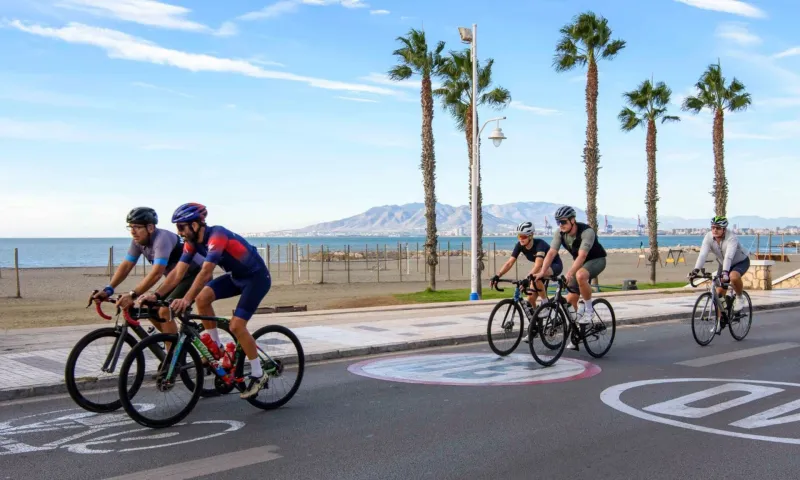
Start with the stat that launched a thousand headlines. In 2017, researchers publishing in The BMJ tracked 263,450 adults in the UK for five years and sorted them by how they got to work. The cyclists came out stunningly far ahead. Compared with people who drove or rode transit, bike commuters had a 41 percent lower risk of dying from any cause, a 45 percent lower risk of cancer, and a 46 percent lower risk of heart disease. Walkers benefited too, but nowhere near as much, and mostly over longer distances.
Now the fine print, because it matters. This is an observational study, which means it shows a powerful link, not final proof that the bike alone did the work. Cyclists may start out leaner or healthier, and while the researchers adjusted for a lot of that, they cannot rule all of it out. But you do not get an effect this large by accident. The takeaway is simple: turning your commute or your week into ride time is one of the biggest levers on your lifespan that scientists have ever measured.
Your Heart Gets the Biggest Win
Cycling is aerobic exercise, and aerobic exercise is the most bulletproof way we know to protect your cardiovascular system. Ride regularly and your resting heart rate drops, your blood pressure improves, your circulation sharpens, and your VO2 max climbs. One rider on the thread that inspired this piece watched his resting heart rate fall from the mid-50s into the high-40s in just six weeks of riding more. That is your heart quietly getting more efficient, beat by beat.
The payoff runs deep into your metabolism. In a large study of Danish adults, more cycling meant a lower risk of type 2 diabetes, in a clean dose-response line: the more you rode, the lower your risk. And for people who already have diabetes, an analysis from the Europe-wide EPIC study found cyclists had at least a 24 percent lower risk of death than non-cyclists. Better insulin sensitivity, less belly fat, steadier blood sugar. That combination is longevity gold.
It Keeps Your Brain Sharp, Too
Pedaling pushes more blood to your brain, and the long-term studies consistently connect that to slower cognitive aging. A 2014 meta-analysis found that people who stayed the most active had roughly a 35 percent lower risk of cognitive decline and a 14 percent lower risk of dementia. Newer research following people from midlife into old age puts the dementia risk reduction even higher, in the 41 to 45 percent range depending on when you get moving.
One honest note: these studies measure physical activity in general, not cycling specifically, so the credit belongs to movement more than to two wheels. But here is why cycling wins in practice. It is low-impact, easy on cranky knees, and something you can actually do week after week for decades. Consistency is the whole game, and few workouts are as repeatable as a bike ride.
Ride for Years and Your Immune System Stays Young

This is the finding behind the viral claim that older cyclists have the immune system of a 20-year-old. The real study, published in Aging Cell in 2018 by researchers at the University of Birmingham and King's College London, looked at 125 amateur cyclists aged 55 to 79 who had ridden for most of their lives. Their thymus, the gland that pumps out fresh immune cells and normally shrivels with age, was still cranking out new T cells at rates you would expect in young adults. The riders also had higher levels of a protective hormone called IL-7 and lower levels of IL-6, which speeds thymus decline.
The accurate version is a touch more modest than the meme. Specific markers of immune aging were preserved, not every system rewound to age 20. Still, it is a jaw-dropping result, and a strong hint that a lifetime in the saddle pays dividends all the way down to your cells.
The Catch: Low Impact Cuts Both Ways
Cycling is famously gentle on your joints, which is exactly why doctors send achy knees and hips to the bike. But that gentleness has a flip side worth knowing. Bones and joints get stronger in response to load, and pedaling, for all its virtues, does not deliver much of it. Weight-bearing and impact work build bone density and connective-tissue strength in ways that cycling simply cannot.
So do not treat the bike as your entire fitness plan, especially as you age. Add a couple of strength sessions a week and some load-bearing movement. Think of cycling as the engine for your heart, brain, and metabolism, and lifting as the insurance policy for your skeleton. You want both.
Yes, Roads Are Risky. The Math Still Favors Riding.

Anyone who rides in traffic knows the fear is real, and crashes do kill people. That deserves respect, not hand-waving. But researchers have actually put the danger on the scale against the benefits. A well-known 2010 analysis modeled what happens when people swap short car trips for bike trips. The added physical activity bought roughly 3 to 14 months of extra life. The downsides, more exposure to traffic pollution and a higher crash risk, cost somewhere between one and 40 days, and five to nine days, respectively. Add it up and the benefits beat the risks by about a factor of ten.
The move is not to avoid riding. It is to ride smart. Be predictable, run lights, wear a helmet, and pick protected routes when you can. And if traffic really is not your thing, a stationary or recumbent bike indoors captures nearly all of the cardiovascular upside with none of the cars. Protecting your ride matters too. If cycling is going to be a decades-long habit, insuring your bike against theft and crash damage, which is what we do at Velosurance, keeps a stolen or wrecked bike from being the reason you stop.
How Much You Actually Need
Good news: you do not have to race or grind out centuries to collect the longevity payoff. The BMJ commuting study saw its results at ordinary distances, and the metabolic and mortality data show benefits that climb with volume before leveling off, meaning even modest riding counts. Shoot for about 150 minutes of moderate cycling a week, roughly 30 minutes on five days, chopped up however fits your life. Your commute counts. So do easy weekend spins and indoor sessions.
Start where you are. Keep most of your riding conversational, throw in the occasional hard push, add a little strength work on the side, and above all, keep showing up. The riders in these studies were not superhumans. They were ordinary people who simply kept pedaling, year after year. That is the part the science keeps rewarding, and it is the part anyone can copy.
Frequently Asked Questions
- How much cycling do I actually need to live longer?
- Aim for about 150 minutes of moderate riding a week, which breaks down to roughly 30 minutes on five days. The benefits climb with volume and then level off, so even a modest, consistent habit pays. Your commute counts, and so do easy weekend spins.
- Is cycling better than running or walking for longevity?
- Not necessarily better, but often more sustainable. Most of the longevity research measures physical activity in general, so the credit goes to movement more than to any one sport. Cycling wins in practice because it is low-impact, gentle on the joints, and easy to keep doing for decades, which is exactly what the studies reward.
- Can I get the same benefits from a stationary or indoor bike?
- Yes for the big ones. An indoor, stationary, or recumbent bike delivers nearly all of the cardiovascular, metabolic, and brain benefits with none of the traffic risk. If riding in cars makes you nervous, indoor cycling is a legitimate way to collect the payoff.
- Is cycling safe enough to be worth it?
- The road risk is real, but researchers have weighed it directly. A 2010 analysis found the extra life expectancy from the physical activity outweighed the combined risks of pollution and crashes by roughly a factor of ten. Ride predictably, use lights and a helmet, favor protected routes, and the math stays firmly in your favor.
- Do I need to ride hard or fast to get the benefits?
- No. Keep most of your riding at a conversational pace, add the occasional harder effort if you enjoy it, and stay consistent. Pair it with a couple of strength sessions a week to protect your bones and joints, since cycling's low impact does not build them the way weight-bearing work does.