TL;DR:
Florida’s New E-Bike Rules (2026)
- 10 MPH Limit: You must slow to 10 mph on sidewalks or shared paths when within 50 feet of a pedestrian
- Yield & Signal: You are legally required to yield and give an audible warning (bell or voice) before passing
- Modding Fines: Tampering with a motor to increase speed carries fines up to $250
- ID Required: Class 3 riders (up to 28 mph) must carry a valid driver’s license or learner’s permit
- Insurance Trap: Coverage is not mandatory yet, but you are currently excluded from Florida's "no-fault" PIP system, leaving you personally liable for crash costs.
- The Deadline: A state task force will review crash data in October 2026 to decide if even stricter laws are needed for 2027
The Vibe Check: Florida’s "Behavior-First" Approach
The e-bike was supposed to be the ultimate freedom machine for the Sunshine State. It offered a way to glide past gridlocked traffic on the Pinellas Trail or cruise the A1A without breaking a sweat. However, that 20 mph breeze in your hair is starting to feel a lot more like a legal headwind. Florida’s legislative engine is currently overhauling its "wild west" approach to electric mobility with a set of rules that prioritize trail etiquette over sheer speed.
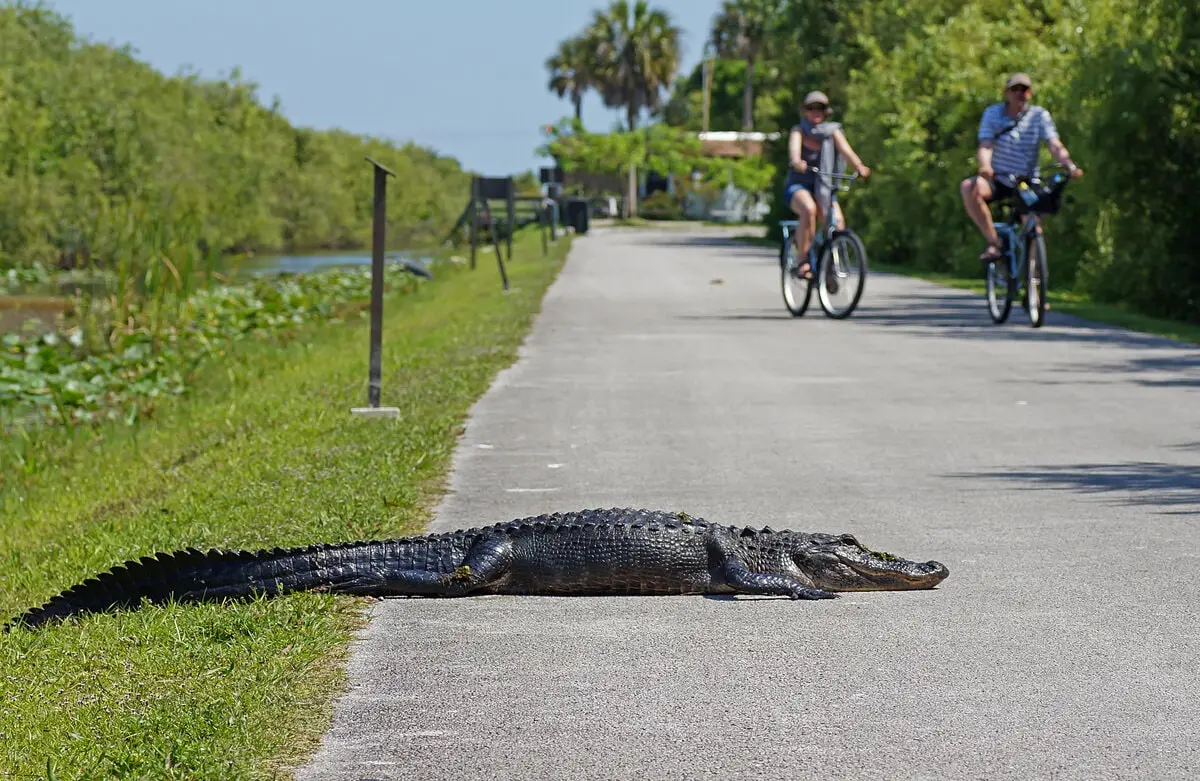
The stakes could not be higher. Florida holds the grim distinction of being America’s deadliest state for cyclists per capita. While statewide bicycle fatalities saw a slight dip from 234 in 2023 to 190 in 2024, the sheer volume of incidents remains staggering. The state averages roughly 18 bicycle-related crashes every single day. In fact, while Florida represents only 6% of the U.S. population, it accounts for a disproportionate 17.4% of all U.S. bicycle fatalities.
Regulators have been particularly incensed by the rise of "out-of-class" vehicles such as high-power e-mopeds and electric dirt bikes sold under the guise of street-legal e-bikes. These machines often lack pedals or feature motors that far exceed the legal 750 watt limit. They have been linked to high-speed collisions and "swarming" incidents that have terrified pedestrians and traditional cyclists alike. By blurring the line between a bicycle and a motorcycle, these "stealth" vehicles have drawn the ire of lawmakers who are now moving to treat e-bikes as vehicles with heavy responsibilities. The 2026 legislative push (SB 382 / HB 243) signals a major philosophical shift. Florida is moving away from a hands-off approach toward a behavior-based model. The goal is not to ban the bikes, but to regulate the "how" and "where" of the ride.
The message from Tallahassee is clear. The e-bike is not just a bike anymore. In the eyes of the law, it is a vehicle. For the hip cycling community, this means the era of the "silent fly-by" is officially coming to a close.
The 10 MPH Rule: Shared Space = Chill Pace
The most immediate change for the average rider isn't about the bike itself, but how you handle it when you’re not alone on the pavement. Under the 2026 legislative framework, specifically SB 382 and HB 243, Florida is implementing a strict behavioral code for shared spaces. The headline rule is clear: if you are riding on a sidewalk or a pedestrian-designated area and a person is within 50 feet of you, you must drop your speed to 10 mph or less.
To put that in perspective, it is roughly the pace of a casual morning jog. For an e-bike capable of hitting 20 or 28 mph, this requires a conscious, significant deceleration. The logic is simple: shared space equals a chill pace. Lawmakers are targeting the "speed differential" that makes pedestrians feel unsafe, and they are backing it up with enforcement. Failure to comply is classified as a non-criminal infraction, giving local law enforcement and park staff a specific reason to stop and ticket riders who "buzz" pedestrians.
Beyond the speed limit, the "silent fly-by" is now a ticketable offense on shared pathways not adjacent to a roadway. Before you overtake or pass anyone, you are now legally required to do two things: yield the right-of-way and provide an audible signal. Whether you use a traditional bell or a clear shout of "passing on your left," the days of ghosting past walkers at high speed are over. It is a shift from treating trails and sidewalks like personal expressways to treating them like community parks and shared spaces.
The "Modified" Crackdown: War on Stealth Motorcycles
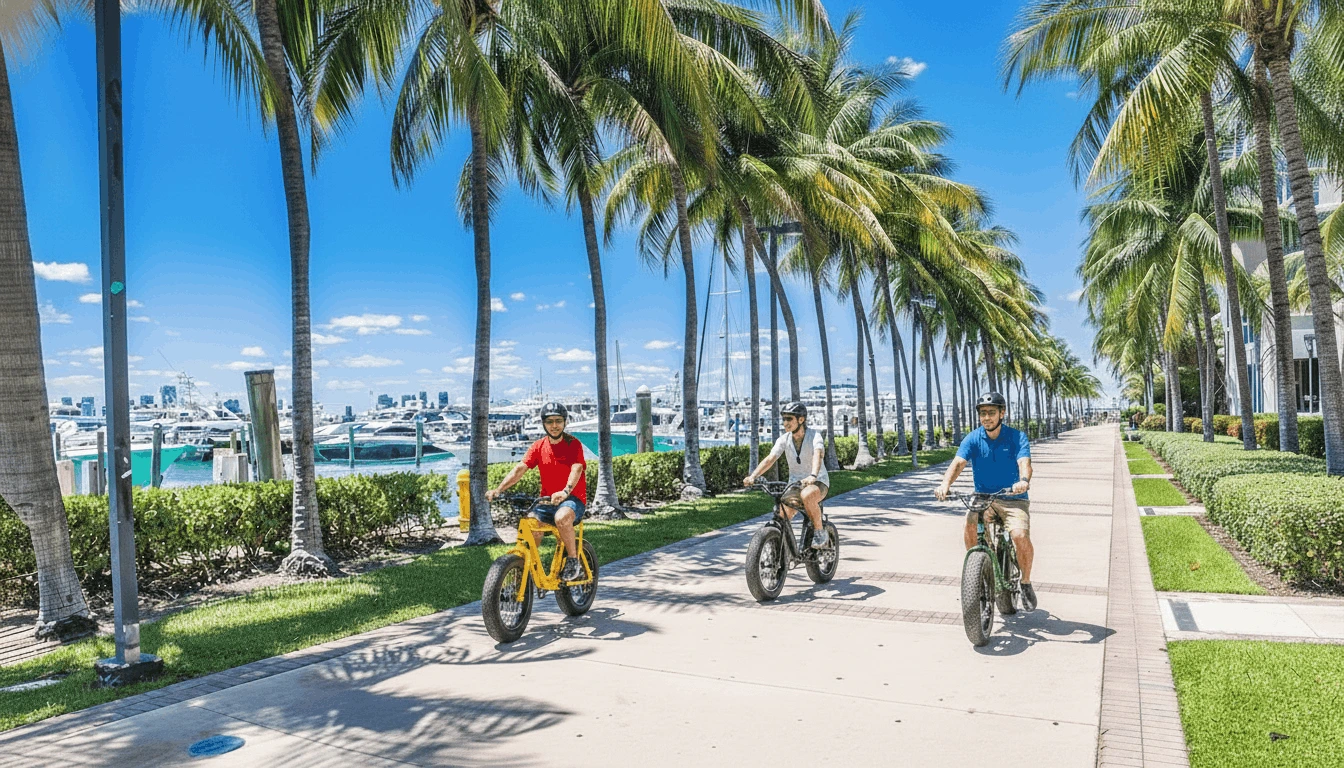
Florida’s regulators are no longer just asking riders to play nice; they are aggressively targeting the machines that shouldn't be on the trails, streets, and especially sidewalks, in the first place. For years, a "gray market" of high-power e-mopeds and electric dirt bikes has operated under the guise of street-legal e-bikes. These "stealth motorcycles" often feature 3000-watt motors, sometimes two, that allow them to reach speeds of 45 mph or more, well above the federal and state 750-watt limit. Under the new 2026 legal framework, specifically HB 243, knowingly modifying an e-bike to exceed its factory speed class is now a non-criminal infraction.
The penalties are designed to discourage the "modding" culture that has led to swarming incidents and high-speed trail collisions. A first-time offender caught with a tampered motor faces a $100 fine, but the stakes rise quickly. A second or subsequent violation within three years triggers a $250 fine. Crucially, the law mandates that if you modify a bike, you are legally required to replace the manufacturer’s classification label to reflect the new top speed and wattage. Failure to do so creates a clear paper trail for police to issue citations.

Perhaps the most significant shift for high-speed enthusiasts concerns Class 3 e-bikes, which provide pedal assistance up to 28 mph. To reel in the "unlicensed teenager" demographic often associated with high-speed reckless riding, SB 382 requires that any operator or renter of a Class 3 e-bike must possess a valid learner’s permit or driver’s license. Riders are required to carry this ID at all times. By tethering high-speed to the licensing system, Florida is effectively signaling that if you want to travel at motorcycle speeds, you need to meet motorcycle-level standards of accountability.
The Out-of-Class Trap: Factory E-Motos and Electric Dirt Bikes
While Florida is tightening the screws on modified e-bikes, there is a separate and more severe legal category for vehicles that arrive from the factory as "out-of-class." These are the high-power e-mopeds and electric dirt bikes—often branded as e-motos—that occupy a dangerous legal vacuum. Brands like Sur-Ron or Talaria are popular examples; they are designed with the frame and suspension of a dirt bike and motors that can easily propel a rider to 50–70 mph.
The stance of Florida regulators is unambiguous: these are not bicycles. Because they typically lack fully operable pedals and exceed the 750-watt motor cap, they do not meet the statutory definition of an e-bike under F.S. 316.003. Consequently, they are classified by default as motor vehicles or motorcycles. Operating one on a sidewalk, bike lane, or public trail is not just a trail infraction; it is a violation of Florida Statutes.
For riders, the "factory-fresh" nature of these bikes is no defense. If a vehicle is capable of speeds above 28 mph or lacks the pedals required for human propulsion, it must be registered, titled, and insured to be street-legal. However, many of these e-motos lack a 17-digit VIN, making them impossible to register at the DMV. This creates a "Catch-22" where the bike is too powerful for the trail but ineligible for the road. Under the 2026 guidelines, police are being trained to spot these specific "E-Moto" profiles. If you are caught on one on public infrastructure, you aren't just looking at a $100 ticket—you risk vehicle impoundment and criminal charges for operating an unregistered motor vehicle.
Florida vs. New Jersey: Etiquette vs. The DMV
If you want to understand the future of e-bike regulation, you have to look at the two competing playbooks currently unfolding on the East Coast. Florida is writing trail etiquette into law, while New Jersey is essentially forcing the DMV into your weekend ride. The contrast is a preview of the "identity crisis" facing electric mobility across the country.
In January 2026, New Jersey fundamentally changed the legal status of the e-bike. By reclassifying all electric bicycles as "motorized bicycles," it moved them out of the bicycle category and into a bureaucratic ecosystem that mirrors motorcycles. New Jersey riders now face a trifecta of requirements: mandatory state-wide registration, permanent plates, and a driver’s license or specialized permit for every class of rider. Most significantly, New Jersey is the first to mandate liability insurance, requiring minimum coverage of $15,000 for bodily injury per person, $30,000 per accident, and $5,000 for property damage.
Florida’s 2026 model (SB 382 / HB 243) is far more "behavior-first." Instead of a mountain of paperwork, the Sunshine State is gambling on speed limits and yielding rules to solve trail conflict. There is no statewide registration, no mandated plate, and—for now—no insurance requirement. Florida’s approach assumes that most riders are responsible and that "conflict points" can be managed through 10-mph buffer zones rather than a registry.
However, Florida’s restraint comes with a fuse. Lawmakers have mandated that by October 15, 2026, every local agency must report granular e-bike crash data to the Department of Highway Safety and Motor Vehicles. If the "etiquette model" fails to curb Florida’s high cyclist fatality rates, the data will likely be used to justify a pivot toward New Jersey’s strict "paperwork model" in 2027. For Florida riders, the current freedom from the DMV is effectively on probation.
The Safety Task Force: A Countdown to 2027
Florida’s current wave of regulation is not the final word; it is a reconnaissance mission. A critical component of SB 382 is the creation of the Electric Bicycle Safety Task Force, a nine-member body designed to bridge the gap between anecdotal trail friction and hard policy. This group is composed of a diverse array of stakeholders, including representatives from law enforcement, the e-bike industry, and medical professionals. Notably, their mission is to investigate the "Wild West" of current conditions and determine if the state needs to move closer to the strict "New Jersey Model" of licensing and registration.
The task force is fueled by a new, mandatory data pipeline. Starting in 2026, Florida police agencies are required to track e-bike accidents with unprecedented granularity. Instead of being lumped in with traditional bicycle stats, these reports must now specify the bike's class (1, 2, or 3), the rider’s age, and whether the motor had been modified. This surge in data is intended to solve a major problem for regulators: they currently don't know if the problem is "kids on e-motos" or "commuters on Class 3s." By October 15, 2026, local agencies must report this data to the Department of Highway Safety and Motor Vehicles (DHSMV), which will then provide a comprehensive summary to legislative leadership.
The clock is ticking for the cycling community to prove that the "behavior-first" model works. The task force is set to submit its final recommendations on October 1, 2026, and will sunset shortly after. If the data shows that 10-mph buffer zones and audible signals haven't moved the needle on safety, 2027 could bring a legislative "hammer" that includes mandatory helmets for adults, strict trail bans, or even the dreaded state-wide registration. For now, the future of Florida riding rests on the behavior of every person currently turning a throttle.
Service Journalism: What to Do This Week
The laws are moving fast, but your habits need to move faster. While the 2026 legislative deadlines feel distant, the reality of enforcement and liability is already here. To stay on the right side of the law and protect your wallet, there are three specific steps every Florida rider should take before their next ride.
First, master the "slow flow." Most e-bikes are heavy, often weighing between 50 and 80 pounds, which makes them inherently unstable at low speeds. However, with the new 10-mph mandate near pedestrians, you need to be able to ride at a jogging pace without wobbling or losing control. Spend an afternoon in a quiet parking lot practicing low-speed figure-eights and emergency braking. Being able to track a straight line at 8 mph is now a essential legal skill, not just a suggestion.
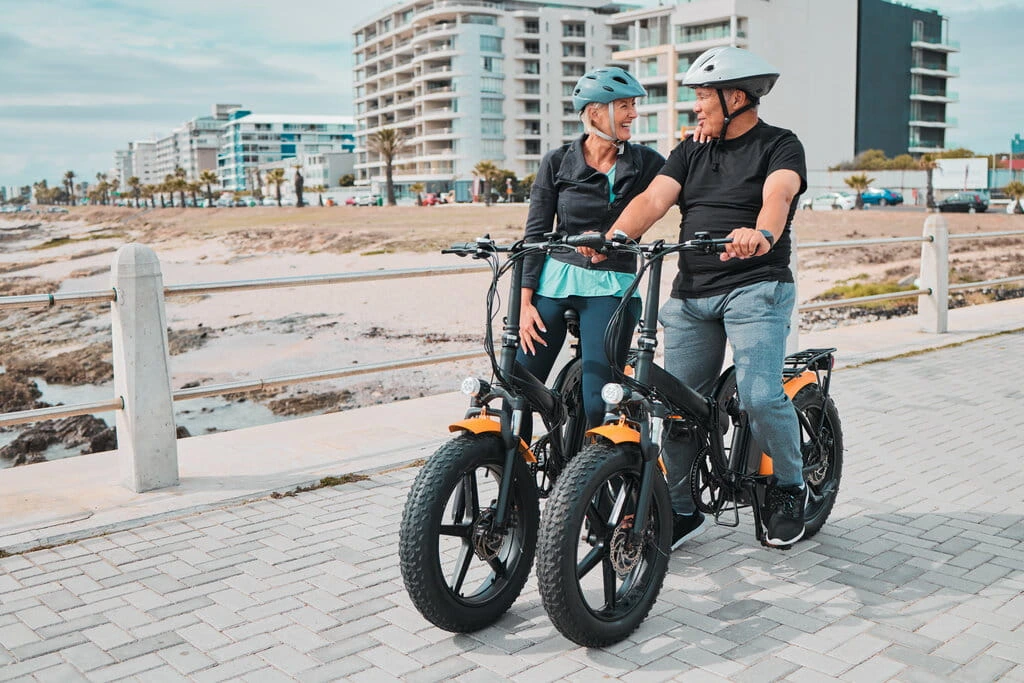
Second, audit your hardware and your paperwork. Check the classification sticker on your frame. If you have modified your motor or if the sticker is missing, you are a prime target for the new $100 to $250 fines under HB 243. Furthermore, if you ride a Class 3 bike, make sure your driver’s license is in your wallet every time you roll out. Police are now specifically instructed to record "Class" and "License Status" in every crash report, and a missing ID is the easiest ticket an officer can write.
Frequently Asked Questions
- What does Florida's 10 mph rule require on sidewalks and shared paths?
- When a pedestrian is within 50 feet of you on a sidewalk or shared-use path, you must slow to 10 mph or less. Beyond the speed limit, the silent pass is now a ticketable offense on shared pathways not adjacent to a roadway: before overtaking anyone, you must yield the right-of-way and give an audible signal, whether that is a bell, a horn, or a clear vocal warning such as "passing on your left." Failure to comply is a non-criminal infraction under Florida's SB 382 and HB 243.
- What are the fines for modifying an e-bike motor under Florida's HB 243?
- Florida's HB 243 makes knowingly modifying an e-bike to exceed its factory speed class a non-criminal infraction. A first offense carries a $100 fine; a second or subsequent violation within three years rises to $250. Modification also creates a legal obligation: you must replace the manufacturer's classification label to reflect the new top speed and wattage. Failure to update the label gives law enforcement a clear basis for a citation.
- What does Florida's SB 382 require of Class 3 e-bike riders, and how does it treat high-power e-motos?
- Florida's SB 382 requires any operator or renter of a Class 3 e-bike (pedal assist up to 28 mph) to carry a valid learner's permit or driver's license at all times. High-power e-motos and electric dirt bikes that lack fully operable pedals or exceed the 750-watt motor cap do not meet the statutory definition of an e-bike under Florida Statutes. Florida classifies those vehicles as motor vehicles or motorcycles by default. Operating one on a sidewalk, bike lane, or public trail is a violation of Florida Statutes that can result in vehicle impoundment and criminal charges.
- How does Florida's 2026 e-bike approach differ from New Jersey's, and what could change in 2027?
- Florida's 2026 framework (SB 382 / HB 243) is behavior-first: no statewide registration, no mandatory plates, and no insurance requirement for now. The rules focus on speed limits and yielding on shared paths. New Jersey took the opposite approach in January 2026, reclassifying all e-bikes as motorized bicycles and imposing mandatory registration, permanent plates, a driver's license or specialized permit for every class of rider, and mandatory liability insurance. Florida's approach comes with a built-in review: every local agency must report granular e-bike crash data to the Department of Highway Safety and Motor Vehicles by October 15, 2026. If the behavior-first model does not move the needle on Florida's high cyclist fatality rates, 2027 could bring mandatory helmets for adults, strict trail bans, or statewide registration.