TL;DR:
- On US domestic flights, an airline’s liability for your checked bags is capped at $4,700 per passenger, and that cap covers your bike and your suitcase together.
- On most international trips, the Montreal Convention caps it at 1,519 Special Drawing Rights per passenger, which works out to roughly $2,060 at late-October 2026 exchange rates.
- Report the damage before you leave the airport. Domestic windows can be as short as 6 hours, and on international trips the written complaint has to reach the airline within 7 days.
- Airlines pay depreciated value, can exclude bikes that weren’t packed to their rules, and often sell “excess valuation” that covers loss but not damage.
- A dedicated bike policy that covers transit damage pays for the repair minus your deductible, and that is usually the fastest route back to riding.
Why bikes get broken in the cargo hold
Delta and American dropped their specialty bike fees in 2019, and United followed in 2021, so on the big three a properly packed bike now flies as an ordinary checked bag. The handling didn’t change: your bike box still gets stacked under golf bags and dropped off the end of a ramp.
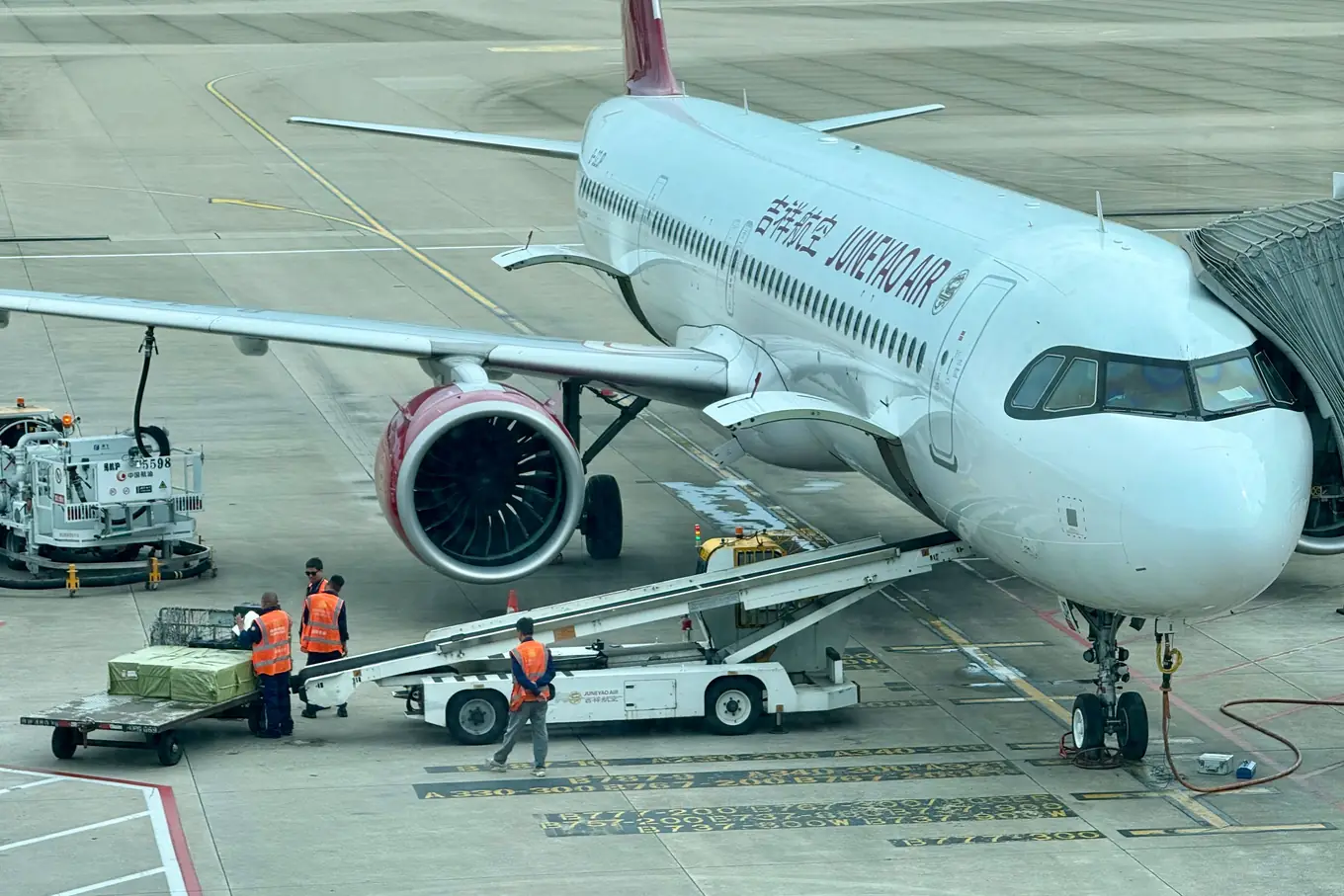
Damage claims are stingier than most riders expect. Liability caps were last raised at the turn of 2025, reporting windows keep shrinking, and the paperwork you sign at check-in can decide the outcome. When you pull a crushed case off the oversize belt, the report you file in the next hour and the deadlines that start running set the limits on what you can recover.
How much an airline owes you
US domestic flights: $4,700 per passenger
For flights that start and end in the United States, Department of Transportation rules set the floor on airline liability for lost, damaged or delayed bags. Since January 22, 2025, airlines may not limit their liability below $4,700 per passenger, up from $3,800. DOT reviews it every two years for inflation.
The limit is per passenger, not per bag, so a damaged bike and a lost duffel share one $4,700 cap. It is a ceiling, not a payout: the airline pays what you can prove you lost, minus depreciation, and may pay more but doesn’t have to.
International flights: 1,519 SDR under the Montreal Convention
Most international trips fall under the Montreal Convention, a treaty the US and well over 100 other countries have joined. On December 28, 2024, its baggage limit rose from 1,288 to 1,519 Special Drawing Rights per passenger. The SDR is a basket currency run by the International Monetary Fund, so the dollar value moves; at the IMF’s October 30, 2026 rate of about $1.36 per SDR, the cap is roughly $2,060. The limit is reviewed every five years.
The treaty usually covers every leg of an international ticket, including domestic connections. A Denver to Chicago to Girona itinerary on one ticket is international carriage from the first takeoff, so the lower Montreal cap and deadlines apply even if the damage happened on the Denver leg.
What the cap means for a real bike
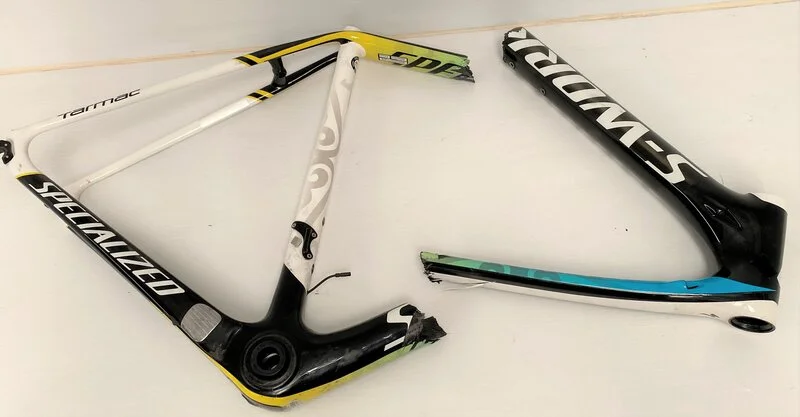
A top-tier carbon build with race wheels can pass $12,000. A destroyed $9,000 bike gets you at most $4,700 on a domestic trip, less after depreciation, and about $2,060 on an international one. That gap is why so many riders carry separate travel coverage.
Sublimits, exclusions and the fine print
What a contract of carriage is
When you buy a ticket, you agree to the airline’s contract of carriage, the legal agreement spelling out what you and the airline owe each other. It binds you even if you never read it. United and Delta call theirs a “Contract of Carriage,” American calls it “Conditions of Carriage,” and it’s usually linked in the website footer.
For checked bags, it sets the liability limit, excluded items, the packing standard for your bike, reporting deadlines and how unrepairable items are valued.
Government rules set a floor the contract can’t go below: the $4,700 domestic minimum, and on international trips, the Montreal Convention, which voids any term that sets a lower limit or relieves the airline of liability. Above that floor, each airline writes its own terms, which is why one carrier makes you sign a release for a bike in a soft bag and another doesn’t. Read its bike or sporting equipment section before you pack.
Packing rules and liability releases
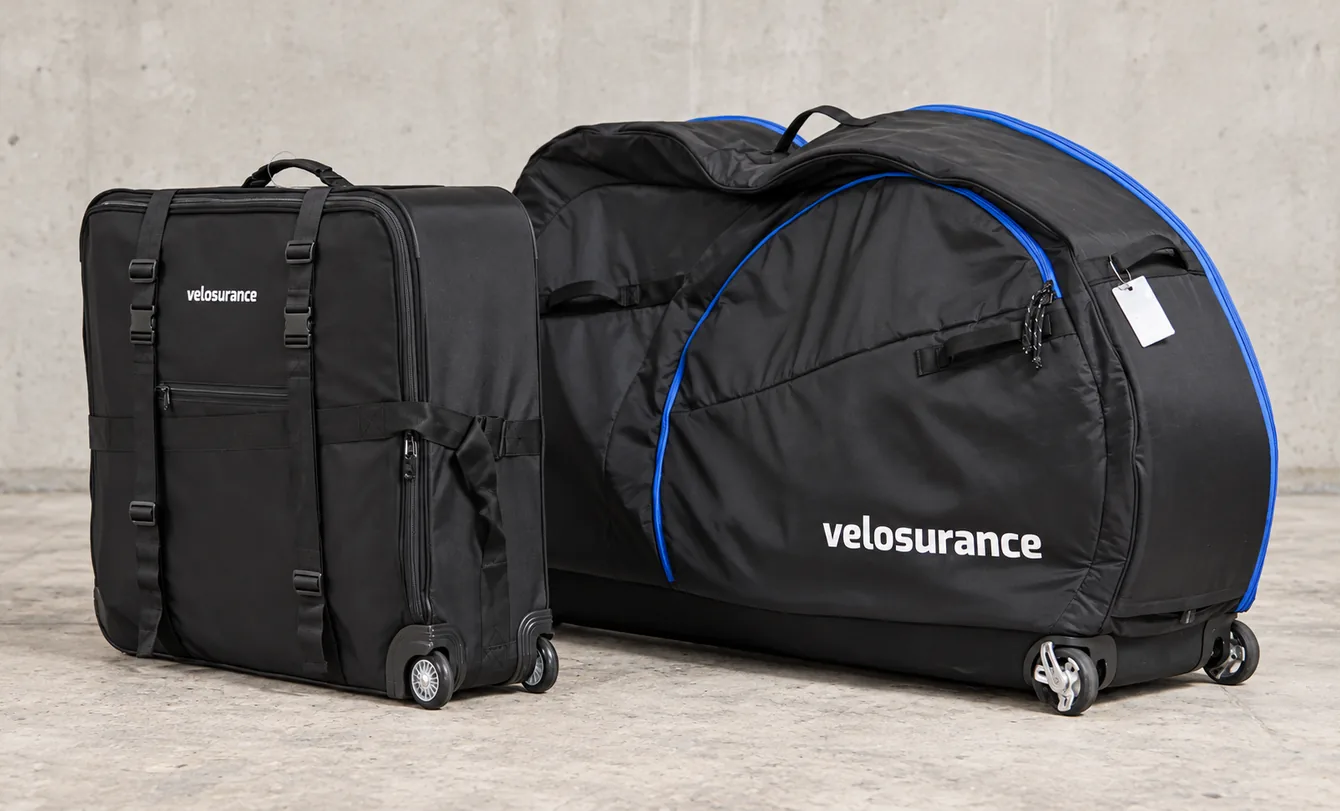
- Delta requires non-motorized bikes to travel in “a durable protective container designed specifically for bicycles.” A hard-shell case avoids the paperwork; a soft bag or other container means signing a limited liability release at the counter. Delta isn’t responsible for damage noted at check-in or caused by over-packing, refuses bikes over 115 linear inches or 100 lbs, and charges the overweight fee above 50 lbs.
- United requires a hard-sided case or a sturdy cardboard bike box with foam padding, handlebars turned sideways and pedals removed, and says it isn’t liable for damage to bikes packed any other way.
- American lists “items not packed properly” among the things it won’t pay for.
A limited release limits or removes the airline’s responsibility for that item. If an agent wants one on a hard case that meets the posted rules, ask for a supervisor. On international trips the release can’t lower the Montreal limit, but the airline can still argue the damage came from an “inherent defect” or poor packing, so packing to spec protects you either way.
Fragile items and excluded categories
Domestic airlines may list categories they won’t pay for, such as fragile items, electronics, cash and jewelry, and DOT says they don’t have to compensate you for excluded items. A bike counts as sporting equipment, but a head unit or power meter pedals packed in the box can fall under the electronics exclusion. Under the Montreal Convention, an airline that accepted an item is responsible for it, even if you didn’t disclose it at check-in.
No airline may exclude damage to the wheels, straps, handles, zippers and other protruding parts of the bag itself, short of normal wear and tear. That covers the wheels and handles of your bike case.
Depreciation
When a bike can’t be repaired, the airline pays based on its value and age, not the cost of a new one. Expect to be asked for the receipt and purchase date, and expect an older bike to be valued well below what you paid.
Security searches
American and Delta both exclude damage caused by a government security search. If TSA opened your case (you’ll usually find a notice of inspection inside) and the damage traces to that inspection, file with TSA instead. TSA takes claims online and can take up to six months to investigate.
Excess valuation: read what it covers
Most airlines sell a higher declared value for checked bags. On international trips, the Montreal Convention’s “special declaration of interest” raises the limit to the declared amount for a supplementary charge.
Domestic versions can be narrower. American charges $5 per $100 of declared value, caps total valuation at $5,000 per passenger (including the standard $4,700), sells it only at the ticket counter, and covers lost bags but not damage to bags or contents. Excluded items aren’t eligible. A bike is far more likely to be damaged than lost, so ask exactly what the declared value covers before you pay.
Before you fly
- Photograph the bike before you pack it. Frame, fork, derailleurs, wheels and cockpit, plus the bike in the case, prove the damage is new.
- Record the serial number and keep the receipt. A shop invoice, card statement or insurance schedule proves value and purchase date.
- Pack to the airline’s published rules. Hard case if you can, foam on the tubes, a fork spacer and rear axle block, derailleur hanger removed or protected, rotors off or covered. If you use cardboard, get a new bike shop box.
- Carry the electronics. Head unit, lights, power meter pedals and irreplaceable tools go in your carry-on.
- Drop an AirTag or other tracker in the case. It shows where a missing bike is and when it moved.
- Read before you sign at the counter. If your packing meets the posted rules, you have grounds to refuse a release form.
- Check your coverage before the trip. Know what your bike, home and credit card policies cover, and whether international travel needs an add-on.
Almost all e-bike batteries exceed the 160-watt-hour limit for passenger aircraft, so ship an e-bike or rent at your destination.
At the airport: the first hour
Inspect before you leave
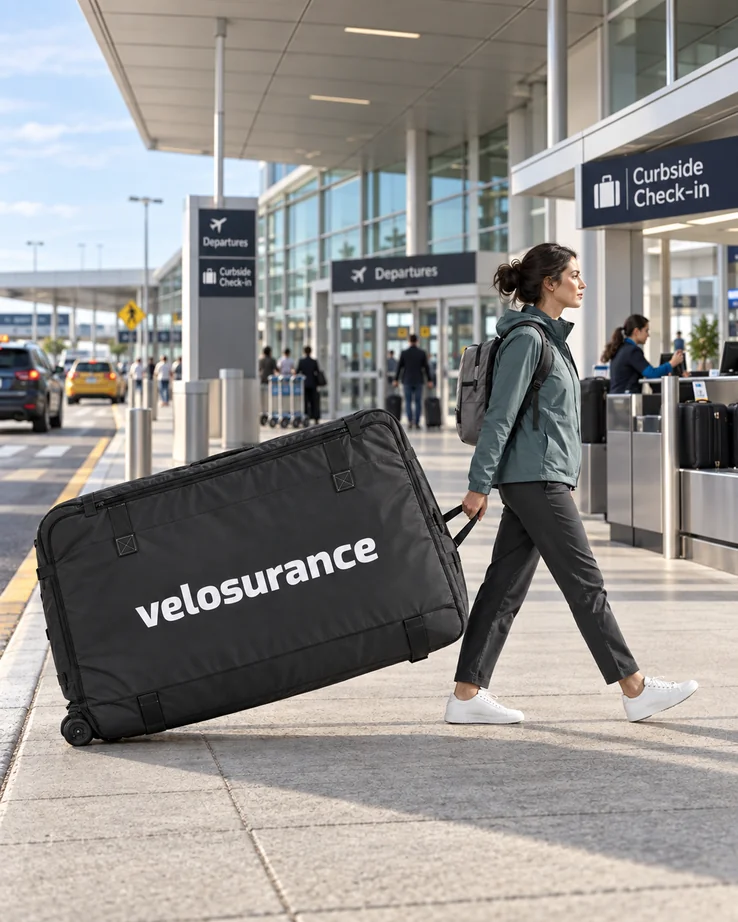
Open the case at the oversize baggage area and look for cracks in the shell, a bent derailleur, hanger or rotor, a cracked fork crown, crushed tubes and anything rattling loose. On carbon, run your fingers along the top tube, down tube and seat stays for any crack, crush or delamination in the clear coat. If the case is damaged, assume the bike may be too; carbon damage can hide under paint.
File the report before you walk out
File a damage report, often called a Property Irregularity Report or PIR, at the airline’s baggage service office. Under DOT guidance, airlines must accept every report of a mishandled bag, even when the agent thinks the airline isn’t liable. If an agent refuses, note their name and the time.
The report should list your flight and bag tag numbers, every damaged item (case, frame, wheel, derailleur and so on), and a note that hidden damage is possible and the bike needs a shop inspection. Leave with the reference number and the agent’s name and phone number.
Photograph the damage with the bag tag still on the case, and keep the case; throwing it away hands the airline an easy denial.
Reporting deadlines are short
As of late 2026:
- American: domestic damage must be reported within 6 hours of receiving the bag, or before you leave the airport. International trips get 7 days.
- Delta: domestic damage must be reported within 6 hours of arrival on tickets issued on or after October 8, 2025 (24 hours for older tickets). Damage not obvious from the outside, such as broken contents in an intact case, gets 24 hours. International trips get 7 days. Delta denies claims that miss the window.
- Montreal Convention: the written complaint must reach the airline within 7 days of receiving the bag for damage, or 21 days for a delayed bag. Miss it and you lose the right to sue, except in cases of fraud. A bag still missing after 21 days is treated as lost.
After the trip: building the claim
Get a professional inspection and estimate
Within a day or two, get a written inspection and estimate from a shop (for carbon, a carbon repair specialist or the manufacturer) listing parts, rebuild labor and whether the frame is safe to ride.
Submit the written claim
File through the airline’s online baggage portal or by email, and keep copies. Include the PIR number, boarding passes and bag tags, before and after photos, the shop estimate, proof of purchase and date, and receipts for related costs such as a rental bike or a new case.
If your bag was delayed, the airline owes you reasonable, verifiable expenses while you wait, and DOT says it can’t apply an arbitrary daily cap. A rental bike for a race you flew in to ride is reasonable; a new superbike is not.
Ask for your bag fee back if it applies
Under DOT’s 2024 refund rule, you’re owed a refund of the checked bag fee if the bag is lost or significantly delayed: not delivered within 12 hours of arrival on a domestic flight, 15 hours on an international flight of 12 hours or less, or 30 hours on a longer international flight. With a mishandled bag report on file, the refund should be automatic. A DOT rulemaking opened in 2026 lists checked-bag delivery standards among the topics under review, so these thresholds could change; for now they stand.
Negotiate, then escalate
First offers tend to be low. Reply in writing with the repair estimate, cite the applicable limit, and ask for the cost of repair rather than a depreciated value when the bike can be fixed. If you packed to spec and filed on time, say so.
If the airline stalls or refuses:
- File a complaint with the DOT through its Office of Aviation Consumer Protection. Airlines must respond, and it often moves a stuck claim.
- Consider small claims court. Most bike claims fall under small claims limits, and you don’t need a lawyer.
- Watch the clock on international claims. Under the Montreal Convention, you must sue within 2 years of arrival, or of the date the flight should have arrived.
Where insurance fits
Credit card baggage coverage
Some premium travel cards cover lost or damaged baggage when you pay for the ticket with the card. Chase Sapphire Reserve and Sapphire Preferred have listed up to $3,000 per covered traveler, with a $500 sublimit on high-risk items like electronics and cameras. The Platinum Card from American Express has listed up to $2,000, with a $250 sublimit on sporting equipment. Most card coverage is secondary, paying only what the airline doesn’t after you’ve filed with the airline.
Homeowner’s and renter’s insurance
Some homeowner’s and renter’s policies cover belongings while you travel, but bike limits, deductibles and cash-value versus replacement-cost terms vary, and a claim can raise your premium.
Bike insurance that covers transit damage
Some bike policies, ours among them, cover your bike when an airline damages or loses it, paying for the repair or total loss minus your deductible, so you aren’t waiting on the airline’s depreciation math. For trips outside the US and Canada, you’ll need to add our worldwide coverage option, which extends theft and damage protection, including damage caused by an airline, to any country. You can still file with the airline too; your insurer will tell you how the two claims coordinate.
If you’re planning the trip itself, we also have a guide to traveling with a bike that covers cases, boxes and shipping.
Frequently Asked Questions
- Where do I find an airline’s contract of carriage?
- On the airline’s website, usually linked in the footer or from the baggage pages. Search for the airline’s name plus “contract of carriage” or “conditions of carriage.” Domestic and international rules are often in separate sections, so read the ones that match your ticket.
- Is the $4,700 domestic limit per bag or per person?
- Per person. Everything you checked on the trip shares the same cap, so a damaged bike and a lost suitcase are paid out of one $4,700 limit.
- My bike was damaged on a domestic connection to an international flight. Which rules apply?
- If both flights were on the same ticket, the whole trip is usually international carriage under the Montreal Convention. That means the lower cap of 1,519 SDR (about $2,060) and the 7-day written complaint deadline.
- The agent made me sign a limited release. Can I still claim?
- On a domestic flight, a signed release makes the claim much harder, and the airline will likely deny it if the bike wasn’t packed to its rules. On an international flight, the Montreal Convention voids contract terms that lower the airline’s liability, though the airline can still argue the damage came from poor packing. File the report either way.
- What if I found the damage after I left the airport?
- Report it as soon as you find it, through the airline’s baggage office, phone line or website, and explain why it wasn’t visible at the airport. Delta gives 24 hours for damage not apparent from the outside on domestic flights; on international trips you have 7 days. Have a shop document the damage the same day.
- Does excess valuation cover a damaged bike?
- Not always. American’s domestic excess valuation covers lost bags but not damage to bags or their contents. On international flights, a special declaration of interest under the Montreal Convention raises the airline’s limit for loss, damage and delay. Ask what the declaration covers before you pay.
- Will the airline pay to replace my bike with a new one?
- Rarely. Airlines pay to repair a bike that can be repaired, and pay a depreciated value for one that can’t. Getting the cost of a new bike usually takes your own insurance.
Policy terms, coverage options and availability vary. This article is for general information only and is not insurance or legal advice. Airline policies and government rules change; check your airline’s contract of carriage and current DOT guidance before you travel.