


Why choose Velosurance for your bicycle or e-bike
14+ years protecting riders
Founded by two lifelong cyclists in 2012 and insuring riders in all 50 states ever since.
Stellar Google reviews
Riders rate Velosurance 4.9 out of 5 across 260 Google reviews.
Lightning-fast claims
We make it our mission to see that your claim check arrives before the repair parts do.
Why buy used?

Buying used is a trade. You give up the manufacturer's warranty, which in most cases covers only the original owner, and in return you get a better price on the same bike. That's a reasonable deal. The part that isn't priced into it is what happens next: a bike that's stolen from the garage or written off in a crash is a bigger financial hit than any defect, and no warranty, transferred or not, covers either one.
The same is true of a bike you bought new and have ridden for years. The warranty ran out on schedule. Theft and crashes never went anywhere.
Velosurance insures used bikes and e-bikes at the value you set, pays claims without depreciating for age, and never asks for a retail receipt you don't have.
Three ways a bike ends up used
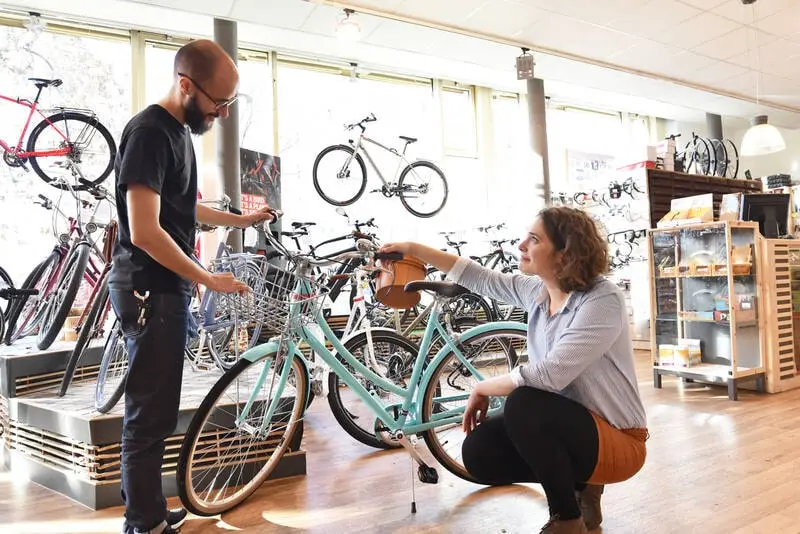
You bought it new and kept it. The frame is out of warranty, the wheels are the third set, and the drivetrain has been replaced twice. Its insured value is what it would cost to replace the bike as it's built today. When an upgrade replaces a part, the old part's value leaves with it and the new part's value takes its place; when you add something the bike didn't have, the value goes up. If the bike is damaged, we repair it and replace the damaged parts. If it's a total loss, a five-year-old bike insured for $5,000 pays $5,000 less your deductible, not a depreciated fraction of it.
You bought it from a shop, consignment store, or certified pre-owned program. You have a receipt and usually a short dealer warranty on the motor, battery, or brakes. What you don't have is the manufacturer's frame warranty, which in most cases ended when the first owner sold the bike. Insurance picks up where the dealer's 90 days or one year leaves off, and covers the events no warranty ever did.
You bought it from a private seller. Marketplace listing, a test ride in a parking lot, a Venmo transfer. There may be no receipt at all, and that's fine. The Venmo transfer itself can serve as proof of purchase, and a signed bill of sale with the serial number is even better. Either one works at claim time.
Warranty vs Insurance
A warranty is the manufacturer's promise that the product was built correctly. Insurance is a contract that pays when something happens to it. They answer different questions, and on a used bike only one of them is still answering.
| Manufacturer warranty |  | |
|---|---|---|
| What it covers | Defects in materials and workmanship | Theft, crash damage, damage in transit, vehicle contact, and optional liability, medical, and more |
| Crash damage | Excluded | Covered |
| Theft | Excluded | Covered, at home and away, including theft by force |
| Wear and tear | Excluded | Excluded |
| Who is covered | The original purchaser, with the original dated receipt and often registration within 30 to 90 days | The policyholder, whether first owner or fifth, and anyone riding the bike with their permission |
| How long | Frame: often "lifetime" for the first owner. Components, batteries: one to three years from the first sale | As long as the policy is in force |
| Value paid | Repair or replacement of the defective part, at the manufacturer's discretion | Partial loss: repair and replacement of damaged parts. Total loss: up to the insured value, no depreciation for age |
| Documentation | Original retail receipt, registration, proof the bike was serviced by an authorized dealer | Bill of sale or receipt, payment record, photos, serial number |
Most bike warranties do not follow the bike
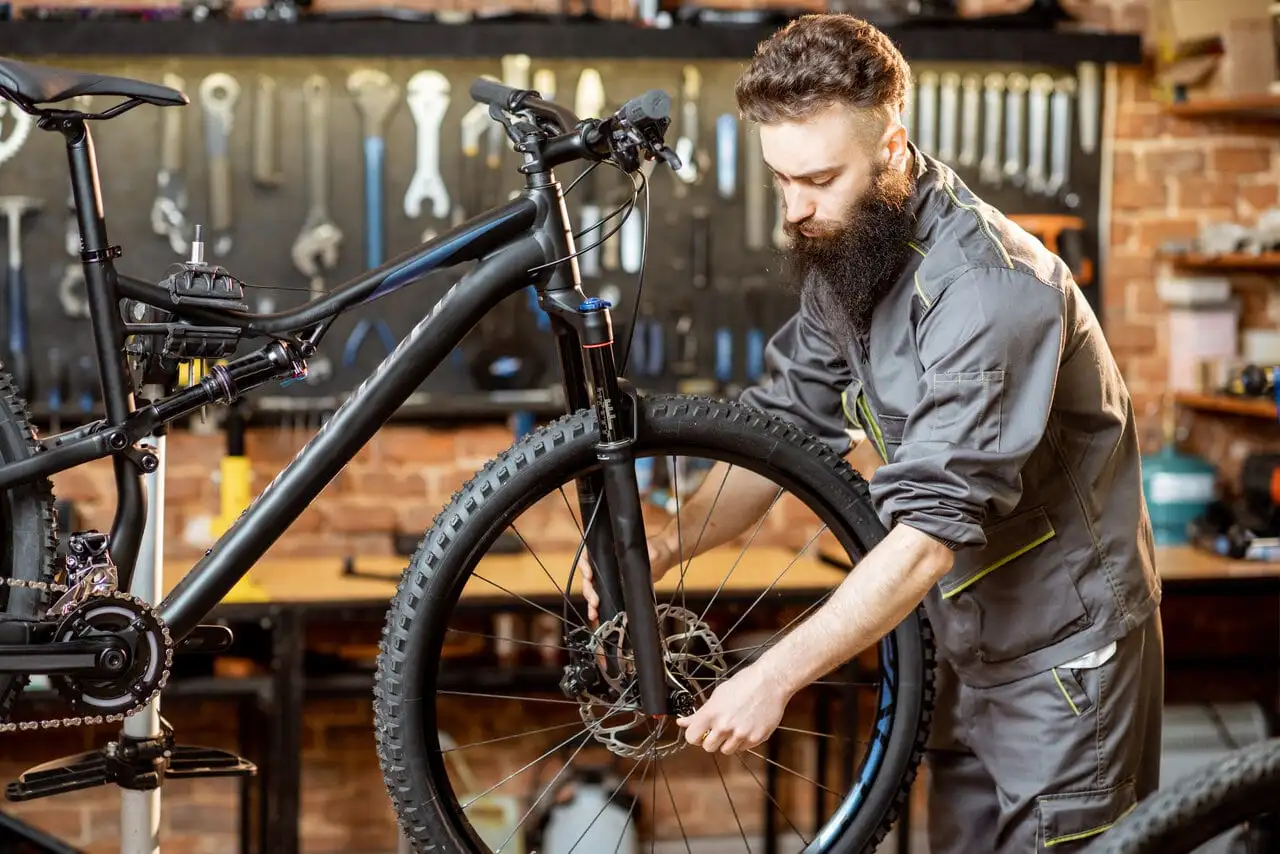
The frame warranty that sold the first owner on the bike is usually worthless to the second one. Manufacturers write their terms to "the original owner" or "the original retail purchaser," require the original dated sales receipt, and state that the coverage is not transferable. When a used bike changes hands, the warranty typically stays with the person who no longer owns it.
A few brands offer something to later owners, and the terms are narrow:
- Trek gives subsequent owners three years from the original retail purchase date on the frame and fork only, with the original receipt. Wheels, suspension, and drivetrain are excluded.
- Specialized offers a two-year warranty to subsequent owners with proof of purchase, compared with a lifetime frame warranty for a registered original owner.
- Giant writes its warranty to the original owner only, not transferable unless the bike is registered.
- Cannondale, Santa Cruz, and Yeti do not transfer frame warranties at all. Some offer crash-replacement discounts to any owner, which is a discounted purchase, not coverage.
- Rad Power Bikes extends its two-year warranty to a "valid transferee," provided the bike was originally bought from Rad or an authorized retail partner, and the clock still runs from the first sale.
All terms as of September 2026 and verified against manufacturer warranty pages.
Two things make this matter more for e-bikes. Battery and motor warranties are short, typically two years or a set number of charge cycles (300 to 600 depending on the brand), whichever comes first, and the clock runs from the first owner's purchase date. A two-year-old used e-bike often has zero battery warranty left on day one. And even where a warranty does transfer, it still excludes the failures that end an e-bike's life in practice: a crash that cracks the battery casing, a theft from a garage, a fall off a hitch rack.
What used-bike owners worry about, and what actually covers it

"I don't have a receipt." You don't need a retail receipt to insure a bike you bought second-hand. Your payment record (bank transfer, Venmo, Zelle, PayPal) can serve as proof of purchase on its own. A bill of sale that lists the seller, the date, the price, and the serial number is even better, and takes two minutes to write up at the handoff. Photograph the bike and the serial number the day you bring it home, and set a value you can support.
"What is it even worth?" Insure it for what it would cost to replace the bike as it sits: the frame and every component currently on it. For a bike you bought used, that starts at the price you paid or a value you can support with comparable listings. Then keep the number current. A part that replaces another swaps its value in (carbon wheels in, stock wheels out), and a part the bike didn't have adds to it. There is no upper value limit, and you can adjust the insured value at any time during the policy term.
"I don't know its history." Insurance covers what happens after the policy starts. A hidden carbon crack from the previous owner's crash is not a new loss, and no policy covers it. Before you buy, have a shop inspect the frame, fork, and steerer, and pull the battery for a health check on an e-bike. After you buy, your coverage starts fresh from the effective date.
"What if it turns out to be stolen?" Check the serial number on Bike Index and Project 529 before money changes hands, and walk away if the seller won't share it, the number looks altered, or the price is far below market. A bike that turns out to be stolen property can be seized and returned to its rightful owner, and no insurance policy reimburses a purchase you never legally owned. Five minutes with a registry avoids the whole problem.
"The battery is the expensive part." A replacement battery for a mid-drive e-bike runs well into four figures, and on a used bike the battery warranty is usually gone. Velosurance covers the battery as part of the bike: a battery destroyed in a crash, stolen with the bike, or damaged in transit is a covered loss. Gradual loss of capacity is aging, not a loss event, which is why the pre-purchase health check matters.
"They don't make it anymore." Discontinued models are the norm for used bikes. A total loss pays up to the insured value so you can buy a comparable bike, not a depreciated payout for a model that no longer exists. Partial losses are repaired at retail parts and labor cost, less the deductible.
What insurance doesn't cover on a used bike
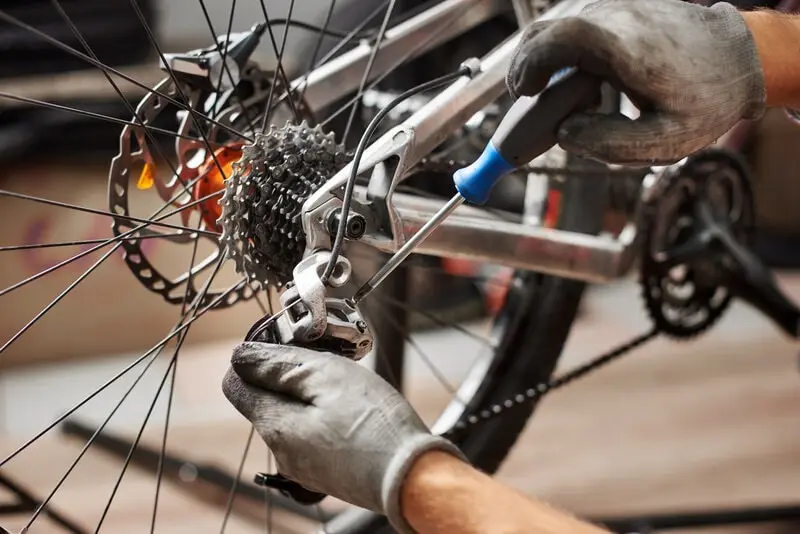
On a used bike, the edges of coverage sit in predictable places, and knowing them before you buy the bike is worth more than reading them in a claim denial.
Damage that predates the policy. Coverage starts on the effective date. A cracked rim, a fatigued steerer, or a delaminating carbon frame from the previous owner's riding is not a new loss, no matter when you discover it. This is the strongest argument for a shop inspection before money changes hands: it protects the purchase, and it establishes the bike's condition on day one.
Wear and tear. Chains stretch, brake pads wear, bearings age, tires go bald. That's the cost of riding, not an insurable event, and it's the same line every warranty draws.
Battery aging. An e-bike battery loses capacity with every charge cycle, and a used battery is further down that curve. Gradual capacity loss is aging, not a loss event. A battery stolen with the bike or destroyed in a crash is covered; one that fades over two more seasons is not. Have the battery health checked before you buy.
A value the paperwork can't support. Insurance reimburses a verifiable financial loss. Insure the bike for what it would cost to replace as it's built, and keep the bill of sale, payment record, and part receipts that back the number. An inflated value doesn't buy a bigger payout; it buys a slower claim.
Frequently asked questions
- Can I insure a bike I bought used from a private seller?
- Yes. Your payment record (Venmo, Zelle, bank transfer) can serve as proof of purchase, and a bill of sale showing the seller, date, price, and serial number is even better. You do not need the original retail receipt.
- Does a bike warranty transfer to the new owner?
- Usually not. Most manufacturers limit the warranty to the original purchaser and require the original receipt. A few offer a shorter warranty to later owners (Trek and Specialized, for example), and a few e-bike brands allow transfer under conditions. Even when a warranty transfers, it covers manufacturing defects only, never theft or crash damage.
- What's the difference between a warranty and insurance?
- A warranty is the manufacturer's promise to fix defects in materials and workmanship for a set period, for the original buyer. Insurance pays when something happens to the bike: it's stolen, crashed, or damaged in transit. Wear and tear is excluded from both.
- How do I decide what value to insure a used bike for?
- Insure it for what it would cost to replace the bike as it's currently built, supported by what you paid, part receipts, or comparable market listings. We may ask for a bill of sale or comparable-market proof at claim time. There is no depreciation for age, so the value you set is the value that pays.
- Will my claim be depreciated because the bike is old?
- No. The policy does not reduce a claim payment based on the age of the bike.
- Does the bike need to be a certain age or newer to qualify?
- No. There is no age limit.
- My used e-bike's battery warranty has expired. Is the battery covered?
- The battery is part of the insured bike. If it is stolen, destroyed in a crash, or damaged in transit, it is a covered loss. Normal capacity loss from age and charge cycles is not.
- I bought the bike from a shop with a one-year dealer warranty. Do I still need insurance?
- The dealer warranty covers defects in the parts they reconditioned, usually the motor, battery, and brakes, for a limited time. It does not cover theft, a crash, or transit damage, and it ends after a year. Insurance covers those events for as long as you hold the policy.
- What if the bike I bought turns out to be stolen?
- Stolen property can be seized and returned to its owner, and a purchase you never legally owned is not an insured loss. Check the serial number on Bike Index or Project 529 before buying, and get a bill of sale with the serial number from the seller.
- Does my homeowners or renters policy already cover a used bike?
- Only partially, and at depreciated value. Most policies pay actual cash value, cap bike payouts at $1,000 to $2,500, apply a $500 to $2,000 deductible, exclude crash damage, and often exclude Class 2 and 3 e-bikes. A claim also stays on your record for years.
- Can I update the value when I change parts?
- Yes. Send us the receipt for the new part and we adjust the insured value. If the part replaces one that leaves the bike, the value reflects the swap rather than stacking both; if it's an addition, the value goes up by the part's cost. You can adjust the value at any time during the policy period.
You traded the warranty for a better price. Don't trade away the coverage that matters more.
Insuring a second bike on the same policy? The multi-bike discount takes 10% off two bikes and 15% off three or more.
Get a quote