Iron gets all the attention. It is one of a dozen numbers deciding whether your legs show up. Here is the full panel, and the athlete ranges your doctor almost certainly did not use.
You feel heavy on the climbs. Your zone 2 heart rate runs hotter than it should. The training plan looks fine on paper, but your body is reading from a different script. Most riders blame overtraining, stress, age, or just a bad month. Sometimes that is exactly what it is. Often it is a number on a blood panel that nobody bothered to measure, or measured and waved through because it landed inside a reference range built for someone who does not ride 200 miles a week.
Iron deficiency is the famous version of this story, and it deserves the attention. But iron is one line on a panel that should have a dozen. A cyclist who only checks ferritin is fixing one leak on a boat with several. This is the complete blood panel worth asking for, and how to read each number the way a sports physician would rather than the way a standard lab report does.
Why a "Normal" Panel Quietly Fails Athletes
Reference ranges are statistical, not optimal. They are built to capture roughly 95% of a general population, most of whom are sedentary. "Normal" means "common," not "good," and definitely not "good enough to adapt to 12 hours of training a week."
Two things follow from that. First, a value can sit at the very bottom of the range, technically normal, while your performance is visibly suffering. A ferritin of 35 ng/mL is a classic example: flagged as fine, functionally deficient for an endurance athlete. Second, the standard panel your GP orders is usually thin. It checks hemoglobin and a basic metabolic profile and calls it done. The markers that actually predict how you feel on the bike are the ones nobody ordered.
The fix is not to panic-order every test in the catalogue. It is to ask for the right panel, read it against athlete targets instead of population averages, and retest to see the trend. One number in isolation tells you very little. A number tracked across a season tells you almost everything.
What Kind of Blood Test Should You Ask Your Doctor For?
This is the practical part, because the right panel does not have a single tidy name and you often have to ask for it by component. Walk in knowing the exact tests you want rather than asking for "a blood test," which usually gets you the thin default.
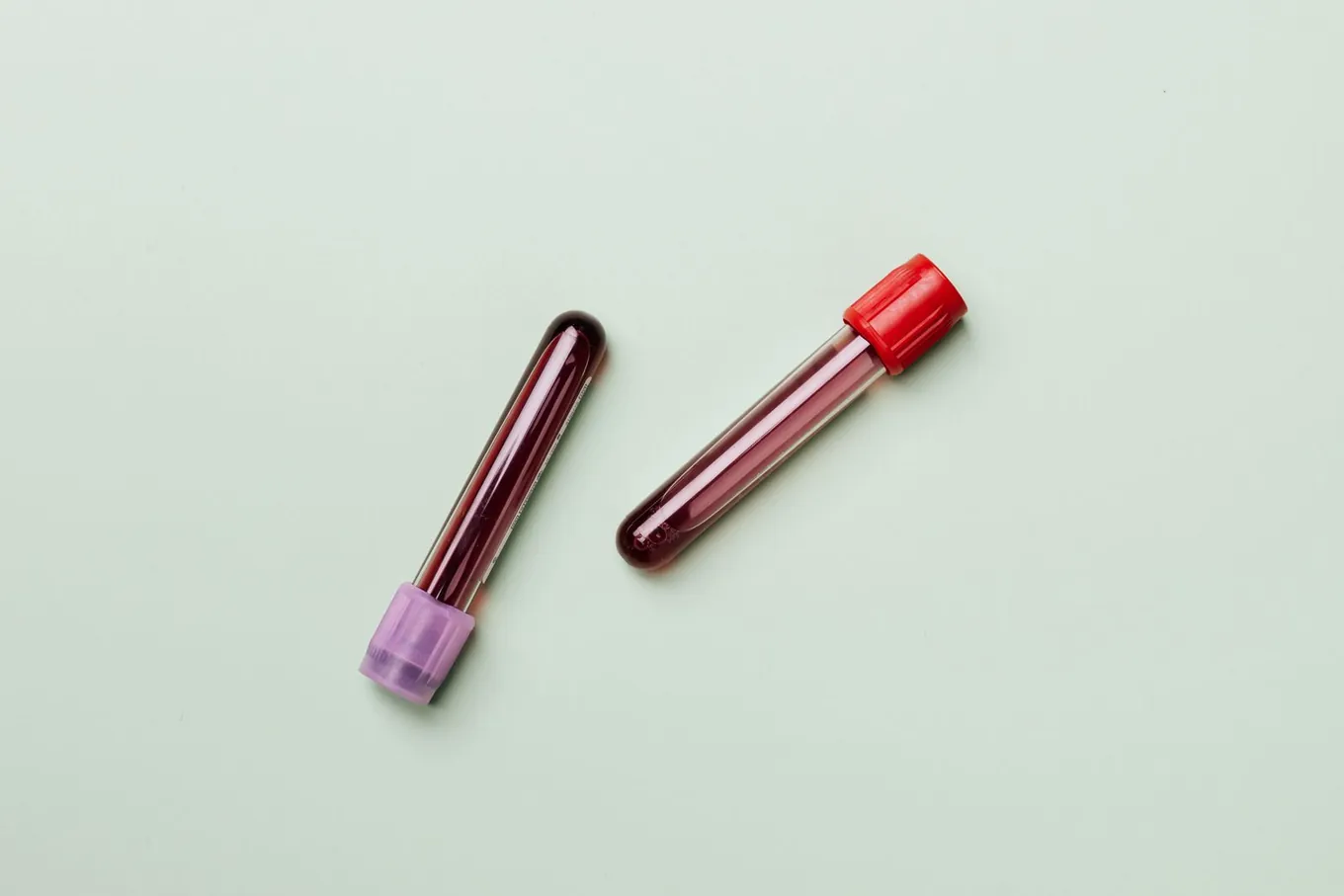
Ask for these by name
Request a comprehensive panel that includes the following. If you print one thing from this article, print this list.
- Full iron studies: ferritin, serum iron, transferrin saturation, and total iron-binding capacity (TIBC). Ferritin alone is not enough.
- Complete blood count (CBC / full blood count): hemoglobin, hematocrit, and red cell indices such as MCV and MCH.
- Vitamin D (25-hydroxyvitamin D): the storage form, not the active form.
- Vitamin B12 and folate.
- Magnesium: ask specifically for an RBC (red blood cell) magnesium test if the lab offers it, since standard serum magnesium is a weak indicator.
- Hormones: morning testosterone (total and free), and for women estradiol with LH and FSH. Add a full thyroid panel (TSH plus free T3 and free T4), not TSH alone.
- Inflammation and muscle: high-sensitivity CRP (hs-CRP) and creatine kinase (CK).
- Metabolic and general health: HbA1c, fasting glucose, a lipid panel, and a basic metabolic panel covering kidney function and electrolytes. Add liver enzymes if you supplement iron.
How to phrase the request
Say plainly that you are an endurance athlete training high volume, that your performance and recovery feel off, and that you want to rule out the common athletic deficiencies. The magic sentence is: "Can we check my full iron studies including ferritin, plus vitamin D, B12, folate, magnesium, thyroid, and hs-CRP?" Naming ferritin explicitly matters, because a standard panel frequently leaves it off. Ask for your actual numbers and reference ranges, not just a "normal" or "abnormal" verdict, so you can read them against athlete targets.
If your doctor pushes back or it is not covered
Not every marker will be approved on general health cover, especially hormones or RBC magnesium without a clear clinical reason, and that is a normal conversation to have. If insurance or your health system declines the fuller panel, direct-to-consumer athlete blood-testing services and private labs offer pre-built endurance panels that bundle most of the list above, typically in the region of a routine lab fee. The point either way is the same: know the exact tests you want before you walk in, so the panel matches the athlete you are, not the population average the default was built for.
The Iron Panel: More Than Just Ferritin
Start here, because it is the most common and most fixable. But a single ferritin reading is not the whole picture. Iron status is best read across several markers at once.
Ferritin (iron storage)
This is your iron savings account, and it drains long before anemia shows up. Standard labs flag deficiency below 15 to 30 ng/mL. Endurance athletes generally need to be above 50 ng/mL to support training adaptation, and the performance sweet spot sits roughly between 70 and 150 ng/mL. A 2024 systematic review in the Journal of Sport and Health Science, covering 669 female athletes across 16 sports, found iron deficiency cut endurance performance by 3 to 4%, and that correcting it improved performance by 2 to 20% depending on how deep the deficit was.
One caveat: ferritin is also an acute-phase reactant, meaning it spikes with inflammation and hard training. If you test the morning after a brutal race, an artificially high reading can mask a real deficit. Test rested.
Transferrin saturation (iron transport)
Ferritin tells you what is in storage. Transferrin saturation tells you how much iron is actually moving through the bloodstream toward your muscles right now. Aim for roughly 25 to 45%. A low value alongside low-normal ferritin is a stronger signal than either number alone.
Hemoglobin and full blood count
Hemoglobin is the oxygen-carrying protein, and it is the number a basic panel checks. The problem is that it only falls once you are already anemic, which is the late stage. You can have textbook-normal hemoglobin and a tanked ferritin and feel awful. Use hemoglobin as the last domino, not the first alarm. The wider complete blood count adds useful context: red cell size (MCV) that is drifting small hints at iron deficiency, while large cells point toward B12 or folate.
Why cyclists bleed iron faster than the sedentary: sweat losses of 0.4 to 1.6 mg of iron per liter on hot rides, micro-hemolysis from repeated efforts, GI micro-bleeding from frequent NSAID use, and a post-exercise hepcidin spike that blocks absorption for 3 to 6 hours after hard sessions. Female riders carry roughly twice the risk, largely from menstrual losses. Riders over 40, vegetarians, vegans, and anyone training 10-plus hours a week all sit at elevated risk.
Vitamin D: The Off-Season Cliff
Vitamin D behaves like a hormone, not just a vitamin. It influences muscle contraction and force, bone strength, immune defense, and even testosterone. For cyclists it has a seasonal trap: covered arms, sunscreen, and dawn or dusk riding mean many athletes drift into insufficiency over winter without noticing.
Standard labs treat below 20 to 30 ng/mL as low. The athletic optimum sits around 40 to 50 ng/mL. Below 30 ng/mL is associated with muscle weakness, higher stress-fracture risk, and dented immunity, and below 20 ng/mL those risks climb sharply. Cross-sectional research in elite athletes has linked insufficient vitamin D to lower maximal aerobic power. The honest caveat: the gains come from fixing a genuine deficiency, not from megadosing past the point of sufficiency. Test, correct the gap, and stop chasing bigger numbers.
B12 and Folate: The Fatigue That Hides Behind "Normal"
Vitamin B12 and folate work together to build red blood cells and keep nerves firing. A B12 of around 210 pg/mL is technically normal but can already produce lingering fatigue that does not resolve with rest, poor concentration, tingling in the hands and feet, and reduced exercise tolerance. Many sports clinicians prefer to see B12 comfortably above 500 pg/mL in athletes.
This matters most for vegetarian and vegan riders, since B12 is found almost entirely in animal foods, and for anyone on long-term antacids or metformin. Always read B12 alongside folate and the complete blood count. If red cells are running large (high MCV), a B12 or folate shortfall is a prime suspect, and it can be quietly masked when iron deficiency (which shrinks cells) is happening at the same time.
Magnesium: The Quiet Workhorse
Magnesium is a cofactor in more than 300 enzymatic reactions, including muscle contraction and relaxation, ATP energy production, protein synthesis, and sleep regulation. Athletes lose it through sweat and burn through more of it during hard training, yet it rarely appears on a standard panel.
One measurement note: a standard serum magnesium test is a weak indicator because the body tightly defends blood levels by pulling from tissue and bone. A red-blood-cell (RBC) magnesium test gives a better read on true status. Symptoms of a shortfall, such as muscle cramps, twitching, poor sleep, and irritability, overlap heavily with ordinary training fatigue, which is exactly why it goes unmeasured.
The Hormone Panel: Reading Recovery and RED-S
If iron is about oxygen delivery, hormones are about whether your body is building fitness or quietly breaking down. This is also where the most serious underlying problem in endurance sport shows up: Relative Energy Deficiency in Sport (RED-S), driven by chronically eating less than you burn.
Testosterone and cortisol
Testosterone drives recovery, tissue repair, and training adaptation in both men and women. Cortisol is the primary stress hormone; short spikes are normal and useful, but chronically elevated cortisol signals that stress load is outrunning recovery. Neither number is very informative alone, which is why clinicians watch the testosterone-to-cortisol ratio. Studies have found that ratio can fall by around 30% in overtrained athletes compared with well-trained controls. It is a trend marker, not a one-shot diagnosis.
What RED-S looks like on paper
Persistent low energy availability suppresses the hypothalamic-pituitary axis and drags down several hormones at once. In men that shows up as low morning testosterone. In women it appears as low estradiol with low-normal LH and FSH, and in practice as disrupted or absent periods. Left unaddressed, RED-S erodes bone density and performance for years, so falling sex hormones plus unexplained fatigue is a reason to involve a sports physician, not to train harder.
Thyroid (TSH, free T3, free T4)
Thyroid hormones set your metabolic rate. Under-fueling and heavy training loads can suppress free T3 in particular, one of the more sensitive early signals of RED-S and overreaching. A full thyroid panel (not just TSH) is worth including if fatigue, cold intolerance, and stalled performance are stacking up.
Inflammation and Muscle Damage
hs-CRP (high-sensitivity C-reactive protein)
hs-CRP measures systemic inflammation. The general-health threshold is below 3 mg/L, but for an athlete tracking recovery, chronically sitting above 1 mg/L when rested is worth a closer look. A persistently elevated reading, in the absence of an obvious cold or injury, can indicate that training stress is outpacing repair.
Creatine kinase (CK)
CK leaks out of damaged muscle fibers, so it is a direct readout of muscle breakdown. It naturally rises after hard efforts, typically peaking 24 to 48 hours later and settling within a few days when recovery is adequate. The value of CK is in the trend against your own baseline, not a one-off number. A resting CK that stays stubbornly elevated across tests suggests you are not clearing training load, and a very high spike after an unusually hard block is a rhabdomyolysis flag worth medical attention.
The overtraining fingerprint. No single blood test diagnoses overtraining. The pattern that does is a picture across two or more tests: declining testosterone, rising cortisol, a falling testosterone-to-cortisol ratio, suppressed free T3, elevated resting CK, rising hs-CRP, and dropping ferritin. Any one of those is noise. Several moving together, alongside how you feel, is signal.
The Metabolic and General-Health Layer
Cyclists are not immune to ordinary health markers, and endurance sport puts its own spin on a few of them.
- HbA1c and fasting glucose. High-carbohydrate fueling is central to endurance performance, so it is worth confirming your metabolic health is keeping up. Aim for low-normal (HbA1c under 5.7%, fasting glucose under 100 mg/dL). Endurance athletes usually sit comfortably here, but it is a useful baseline. Riders who follow the high-carb fueling playbook have more reason than most to check, as Gels, Sports Drinks, and the Prediabetic Cyclist: How Much Sugar Is Too Much? explains.
- Lipid panel. Regular riding tends to improve cholesterol, particularly by raising HDL. Some athletes are surprised by genetically high LDL despite excellent fitness, which is worth knowing and discussing rather than assuming fitness cancels it out.
- Kidney and electrolytes (creatinine, sodium, potassium). Heavy sweat losses and, occasionally, over-drinking plain water on long rides can shift sodium. Creatinine can read slightly high in muscular athletes without indicating a kidney problem, so interpret it in context.
- Liver enzymes. Worth a glance if you supplement iron aggressively. Ferritin pushed above 300 ng/mL correlates with elevated liver enzymes and oxidative stress, which is the reason iron is a test-first, not a take-blindly, supplement.
How to Read Your Panel Like an Athlete
Here is the quick-reference version. The middle column is what a standard lab flags. The right column is roughly where endurance athletes tend to perform and recover best. Treat these as discussion points with a sports-literate physician, not as self-diagnosis.
| Marker | Standard "normal" | Athlete target | Why it matters |
|---|---|---|---|
| Ferritin | > 15-30 ng/mL | 70-150 ng/mL | Iron stores; the first thing to crash |
| Transferrin saturation | > 20% | 25-45% | Iron actually in transit to your muscles |
| Hemoglobin | Sex-specific | Upper-normal | Oxygen-carrying capacity; late warning |
| Vitamin D (25-OH) | > 20-30 ng/mL | 40-50 ng/mL | Muscle function, bone, immunity, hormones |
| Vitamin B12 | > 200 pg/mL | > 500 pg/mL | Red cells and nerve function |
| Folate | > 3-4 ng/mL | Mid-to-upper range | Works with B12 to build red cells |
| Magnesium (RBC) | Low-normal | Upper-normal | 300+ reactions, ATP, sleep, cramps |
| Testosterone | Wide range | Mid-to-upper for age | Recovery, adaptation, RED-S flag |
| Cortisol (AM) | Wide range | Not chronically high | Stress load; pairs with testosterone |
| TSH / free T3 / T4 | Broad | Stable, not suppressed | Metabolic rate; drops in RED-S |
| hs-CRP | < 3 mg/L | < 1 mg/L | Systemic inflammation and recovery |
| Creatine kinase (CK) | Varies | Trend vs baseline | Muscle damage and repair load |
| HbA1c / glucose | < 5.7% / < 100 | Low-normal | Metabolic health under high carb intake |
Athlete targets are general guidance drawn from sports-medicine practice and vary by individual, sex, age, and lab. Interpret them with a clinician who understands endurance training.
Timing: How to Test So the Numbers Mean Something
A blood panel is a snapshot, and the conditions of the snapshot change the picture. To get numbers you can actually compare over time:
- Test rested, not the day after a hard race. Inflammation inflates ferritin and hs-CRP, and CK will be high from muscle damage. Aim for a low-training day, ideally after a rest day.
- Go fasted in the morning. Glucose, lipids, cortisol, and testosterone are all time-sensitive. Morning fasted testing keeps them comparable test to test.
- Standardize the conditions. Same time of day, similar training state, same lab if possible. Trends only mean something if the setup is consistent.
- Retest on the right clock. Ferritin and vitamin D move slowly, so allow 8 to 12 weeks to see change after an intervention. Hormones and inflammation can shift faster.
A Quick Word on Fixing What You Find
Testing is only step one. The principle across every marker is the same: test first, treat the specific gap, then retest to confirm it worked. A few specifics worth carrying over from the iron world, because the mistakes are common:
- Iron. Food first (a small portion of red meat once or twice a week is the most efficient single move; pair plant iron with vitamin C). If supplementing, research in The Lancet Haematology found that alternate-day dosing absorbs better than daily dosing, because each dose triggers a hepcidin surge that blocks the next one. Take it in the morning or on a rest day, with vitamin C, and at least a few hours away from coffee, tea, and dairy.
- Vitamin D. Correct a genuine deficiency and stop. More is not better once you are sufficient.
- Energy and hormones. If the hormone and thyroid picture points toward RED-S, the fix is more food and less deficit, not another supplement. This is one to work through with a sports physician.
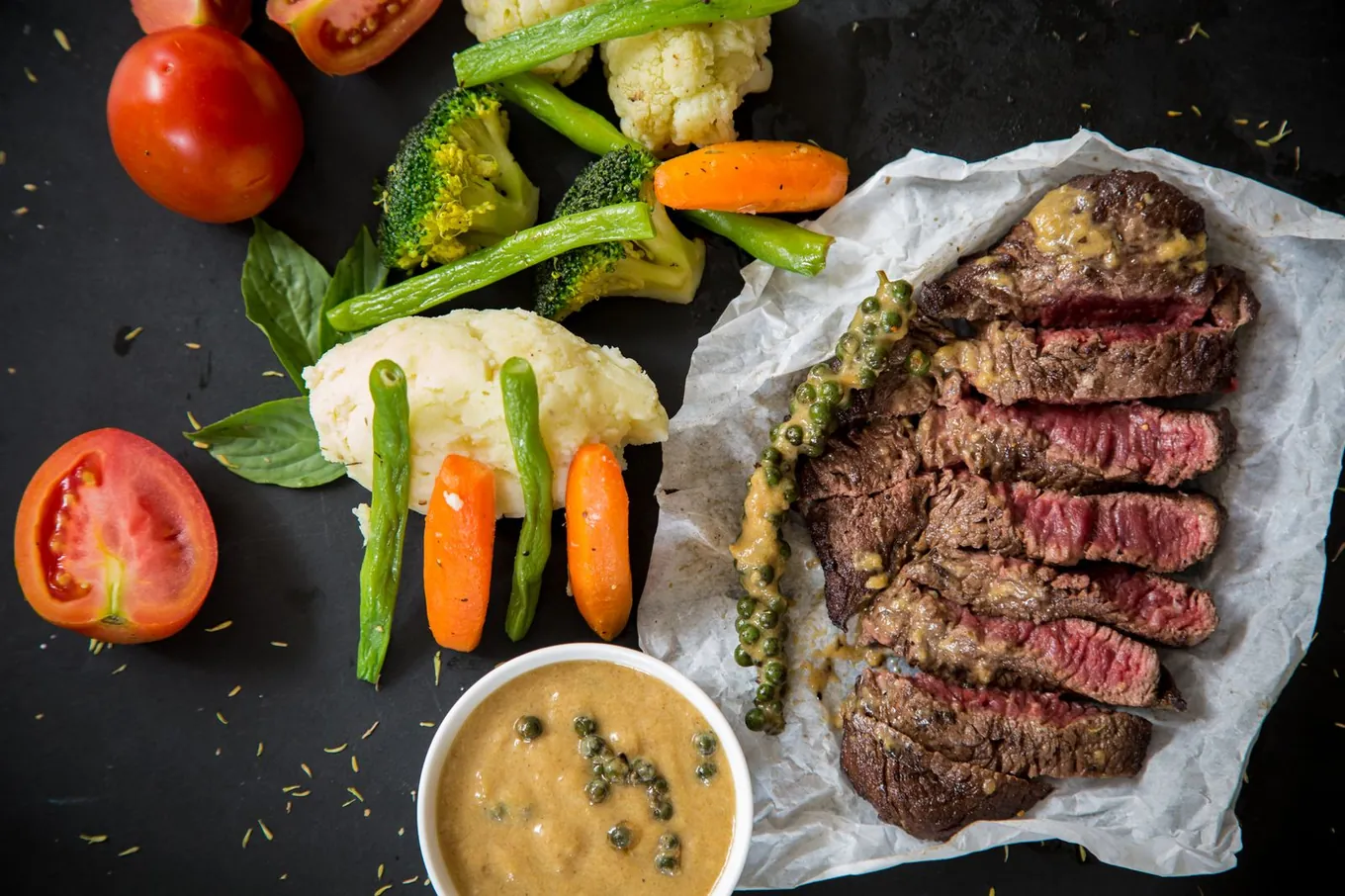
More is not better. Iron above the sweet spot carries real risk, chasing sky-high vitamin D buys nothing, and no pill fixes an energy deficit. The goal is filling gaps, not maxing out numbers.
Final Thoughts
Iron deficiency earns its reputation as the most under-diagnosed performance limiter in cycling, but it is the tip of a larger blind spot. Your standard blood panel was built to catch disease in the general population, not to optimize an endurance athlete. It will call you "normal" while you are functionally deficient in iron, vitamin D, B12, or quietly slipping into an energy deficit that is suppressing your hormones.
None of this is glamorous, and none of it is a substitute for training, fueling, and sleep. But if your riding feels harder than the numbers say it should, the answer is rarely lighter wheels. Ask for the full panel, read it against athlete targets, fix the specific gaps with medical guidance, and retest across the season. That is where the watts actually live.
This article is for general education and is not medical advice. Interpret blood work and any supplementation with a qualified physician, ideally one familiar with endurance sport.
Frequently Asked Questions
- What blood tests should a cyclist ask their doctor for?
- Ask for a comprehensive panel by name: full iron studies (ferritin, serum iron, transferrin saturation, and total iron-binding capacity), a complete blood count, vitamin D, B12 and folate, RBC magnesium, hormones (morning testosterone, plus estradiol with LH and FSH for women, and a full thyroid panel of TSH with free T3 and free T4), hs-CRP and creatine kinase, and a metabolic layer of HbA1c, fasting glucose, and a lipid panel. Naming ferritin explicitly matters, because a standard panel frequently leaves it off, and asking for your actual numbers and reference ranges lets you read them against athlete targets.
- What ferritin level should an endurance cyclist aim for?
- Endurance athletes generally need ferritin above 50 ng/mL to support training adaptation, with the performance sweet spot sitting roughly between 70 and 150 ng/mL, even though standard labs only flag deficiency below 15 to 30 ng/mL. One thing to watch: ferritin is an acute-phase reactant that spikes with inflammation and hard training, so test rested rather than the morning after a brutal race, when an artificially high reading can mask a real deficit.
- When is the best time to get blood work done for accurate results?
- Test rested on a low-training day, ideally after a rest day, and go fasted in the morning so glucose, lipids, cortisol, and testosterone stay comparable from test to test. Standardize the conditions each time, meaning the same time of day, a similar training state, and the same lab where possible. When you retest after a change, allow 8 to 12 weeks for slow movers like ferritin and vitamin D, while hormones and inflammation can shift faster.
- Why do athlete blood targets matter more than a standard reference range?
- Reading your panel against athlete targets is what makes it useful, because reference ranges are statistical rather than optimal. They are built to capture about 95% of a mostly sedentary population, so a value can sit at the bottom of the range, technically normal, while your riding visibly suffers. The standard panel is also thin, often just hemoglobin and a basic metabolic profile, which means the markers that actually predict how you feel on the bike are frequently the ones nobody ordered.
- What is RED-S and how does it show up on a blood panel?
- Relative Energy Deficiency in Sport (RED-S) comes from chronically eating less than you burn, and a blood panel can flag it early. In men it shows up as low morning testosterone; in women as low estradiol with low-normal LH and FSH, often alongside disrupted or absent periods; and in both, under-fueling can suppress free T3, one of the more sensitive early signals. The caveat worth knowing: falling sex hormones plus unexplained fatigue is a reason to involve a sports physician, not to train harder.