


Montana cycling in numbers
55%
Bike ownership
7,800+
Miles of trails
55
State parks
55
Bike friendliness score
Montana from a cyclist's perspective
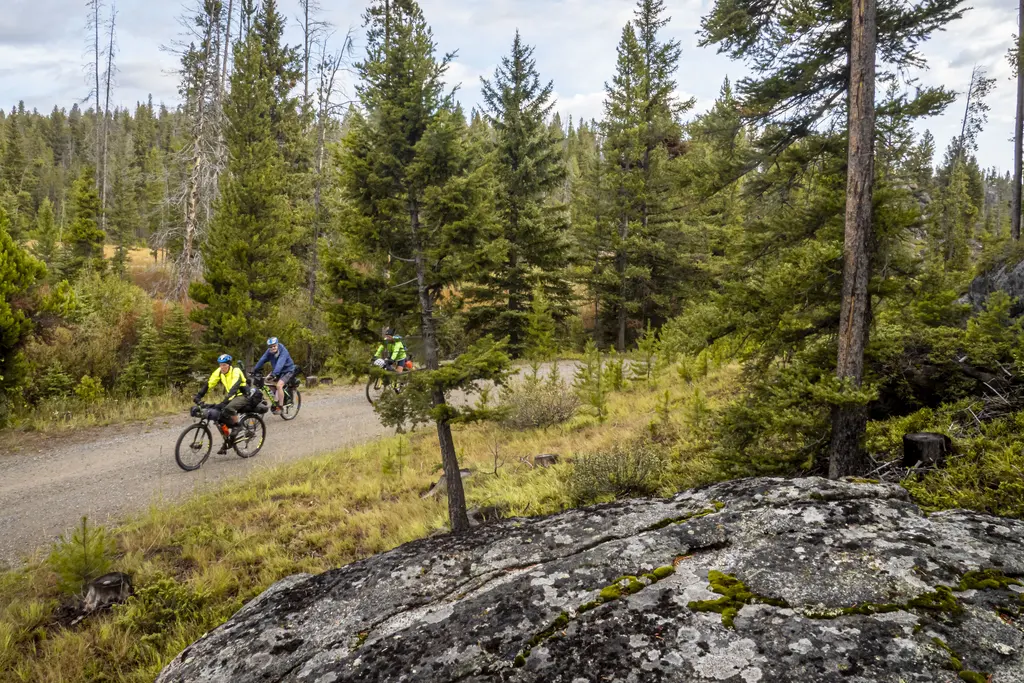
Montana is the fourth-largest state in the country, home to barely more than a million people, and it ranks second in America for bike commuting. That contradiction defines riding here: the towns are small and genuinely bike-minded, and everything between them is enormous. Trailforks logs more than 7,800 miles of rideable mountain bike trail in the state, and Montana holds the longest share of the Great Divide Mountain Bike Route of any state it crosses, roughly 700 miles from the Canadian border at Roosville to the Idaho line. Adventure Cycling Association, the organization that mapped that route and most of America's touring network, runs its operation from a converted church in Missoula.
The road calendar is built around two climbs. Each spring, Glacier National Park's Going-to-the-Sun Road opens to bikes weeks before it opens to cars, and riders pedal a plowed, silent highway toward Logan Pass at 6,646 feet while snowbanks tower overhead. It is the best car-free riding in America, and it lasts only until the road opens to traffic in late June. The second is the Beartooth Highway out of Red Lodge: 30 miles to a 10,947-foot pass, the highest road in the northern Rockies, engineered to hold a merciful grade the whole way up. Charles Kuralt called it the most beautiful drive in America. On a bike, it is better.
The mountain biking is deep and unusually close to town. Helena is an IMBA Silver-Level Ride Center with 75 miles of singletrack connected directly to downtown. The Whitefish Trail stacks 47 miles of purpose-built loops across 15 trailheads around Whitefish Lake, with a lift-served bike park on the mountain above. Bozeman's "Main Street to the Mountains" system threads nearly 100 miles of in-town trail toward the Bridgers and Gallatins, with the Copper City flow trails and the Bangtail Divide within a short drive. In Missoula, the Rattlesnake National Recreation Area starts four miles from downtown.
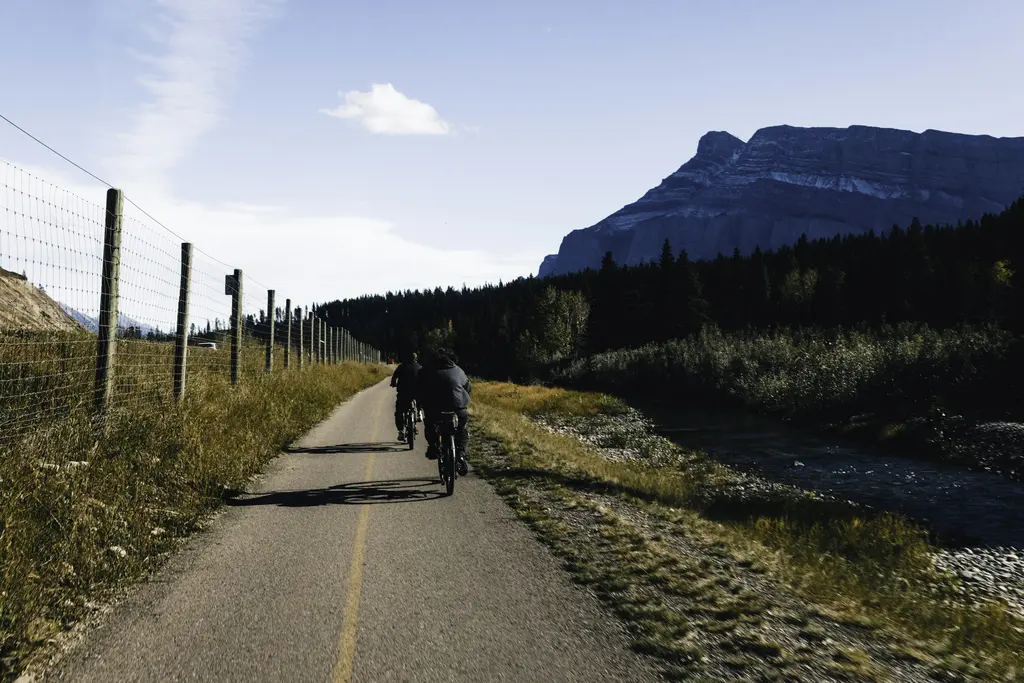 Missoula is the state's cycling capital and one of the few Gold-level Bicycle Friendly Communities in the country, with 22 miles of off-street trail, 40 miles of bike lanes, and a university that earned its own Gold rating. Bozeman and Helena ride well for their size, and Great Falls has a quiet gem in the River's Edge Trail: 53 miles along the Missouri built on old Great Northern and Milwaukee Road rail lines. The Great American Rail-Trail is slowly stitching a cross-state route through Livingston, Bozeman, Three Forks, Butte, and Missoula, though long gaps remain.
The honest caveats are real. The League of American Bicyclists ranks Montana 43rd of 50, with good marks for infrastructure and poor ones for laws and funding. Distances between services are long, two-lane highways carry rumble strips and variable shoulders, and the wind east of the Divide is a training partner you didn't ask for. The alpine season is short: the Beartooth is open roughly five months a year, and large wilderness areas, including the Bob Marshall complex, are closed to bikes entirely. In the northwest, bear spray is standard kit, not paranoia. Plan around all of it and Montana pays you back with the biggest riding in the lower 48.
Montana E-bike Laws
No classes, no license, no registration: Montana runs on one 20 mph sentence, and the trail rules belong to the land managers.
Montana is one of the last states without a Class 1/2/3 system — Montana HB 261 (2023) and Montana SB 387 (2025) both died trying to create one. One sentence in MCA 61-8-102(7) does all the work instead: if the motor cannot push a 170-pound rider past 20 mph on level pavement, the machine is a bicycle. No license, no registration, no insurance.
Not a category in Montana law, but a 20 mph pedal-assist bike fits the state's single e-bike definition and rides as a bicycle.
Montana's definition draws no throttle line — a throttle bike qualifies as long as the motor cannot push a 170-pound rider past 20 mph on a paved, level surface.
A 28 mph pedal-assist bike fails MCA 61-8-102(7)'s 20 mph capability test and falls toward Montana's moped rules, with the license and registration those carry.
A qualifying e-bike is a bicycle under MCA 61-8-102(2), outside Title 61's driver-license regime.
Bicycles are excluded from Montana's motor-vehicle definition (MCA 61-1-101) — no plate, no title, no MVD visit.
Montana's mandatory-liability statute reaches motor vehicles only — coverage for a crash is on you.
Montana sets no minimum age for any e-bike; with no class system, there is no under-16 Class 3 rule to apply.
No Montana helmet law for bicycles or e-bikes at any age; Billings requires riders under 16 to wear one (Billings Sec. 24-605).
Where You Can Ride
- Roads & bike lanesA qualifying e-bike carries full bicycle rights and duties on Montana roads (MCA Title 61, chapter 8).
- Shared-use pathsOpen where bicycles are; the statewide default-access rule died with Montana SB 387, so each land manager decides trail by trail.
- SidewalksMCA 61-8-608 lets bicycles ride sidewalks statewide with pedestrian duties and an audible signal before passing; Missoula bans e-bikes on downtown sidewalks (Ordinance 3638) and Bozeman bars riders over 15.
- State parks & trust landsMontana FWP has no formal e-bike policy — ask the park manager; DNRC trust lands treat e-bikes as motorized vehicles, open roads only.
- National parks & forestsGlacier allows e-bikes under 750 watts wherever bicycles go, motor engaged only while pedaling; USFS and BLM treat e-bikes as motorized unless a trail is specifically designated.
- Out-of-class e-motosA motor that can push a 170-pound rider past 20 mph takes the machine out of the bicycle definition and toward Montana moped or motorcycle rules, license and registration included.
Effective as long-standing law (current through the 2025 MCA) under MCA 61-8-102's single-tier e-bike definition; Montana has no three-class statute (Montana HB 261 of 2023 and Montana SB 387 of 2025 both failed). Statutes: MCA 61-8-102(2) and (7), 61-1-101, 61-8-608; Missoula Ordinance 3638; Billings Sec. 24-605. Cities and park districts can add their own path and trail restrictions — check signage where you ride. Last reviewed July 2026.
Montana Cycling Weather
Montana's window is short and glorious: July and August bring near-empty skies and dry air, bracketed by valley shoulder seasons and a winter that belongs to fat bikes.
Sunny days a year
Riding season
Apr - Oct
Montana Cycling Destinations
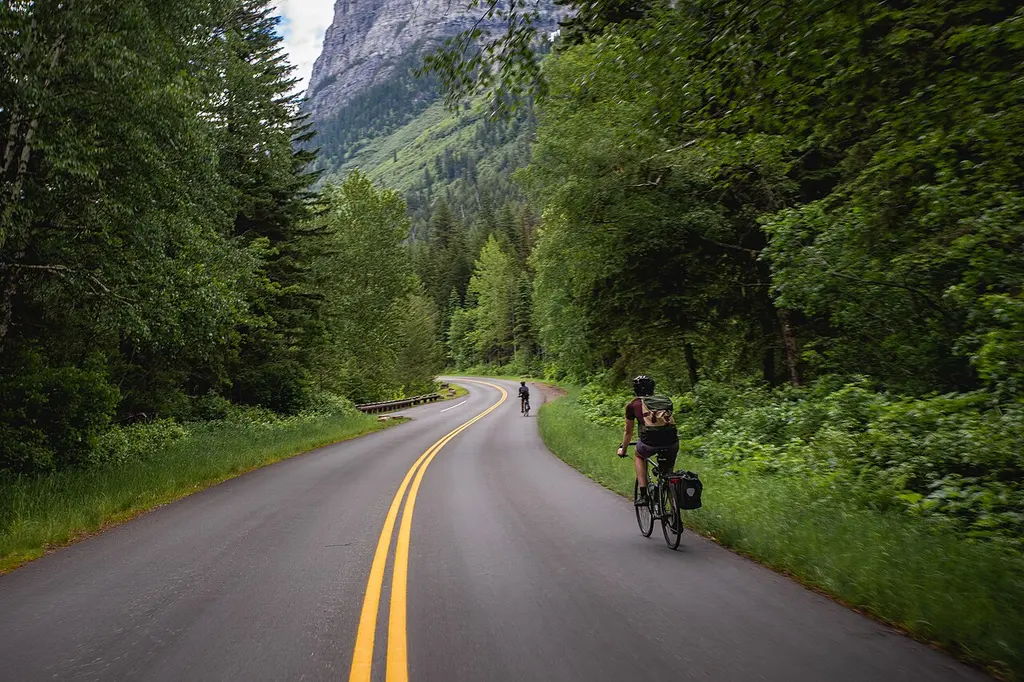
Going-to-the-Sun Road
For a few weeks each spring, the most famous road in Glacier National Park belongs entirely to bikes. Plows work upward from Lake McDonald while the gates stay closed to cars, and riders climb past the Loop, the Weeping Wall, and Big Bend on silent pavement with waterfalls running across the road. The first five miles from Avalanche Creek are nearly flat along McDonald Creek; then the wall begins, a steady 6 percent for the final 12 miles to Logan Pass at 6,646 feet on the Continental Divide. Once the road opens fully to traffic, bikes are restricted on the climb during peak afternoon hours, so summer riders start at dawn. Pedal-assist e-bikes under 750 watts are welcome wherever bicycles go. There are no shuttles, no services, and no shortcuts: ride from the gate, carry your food, and watch for mountain goats at the top.
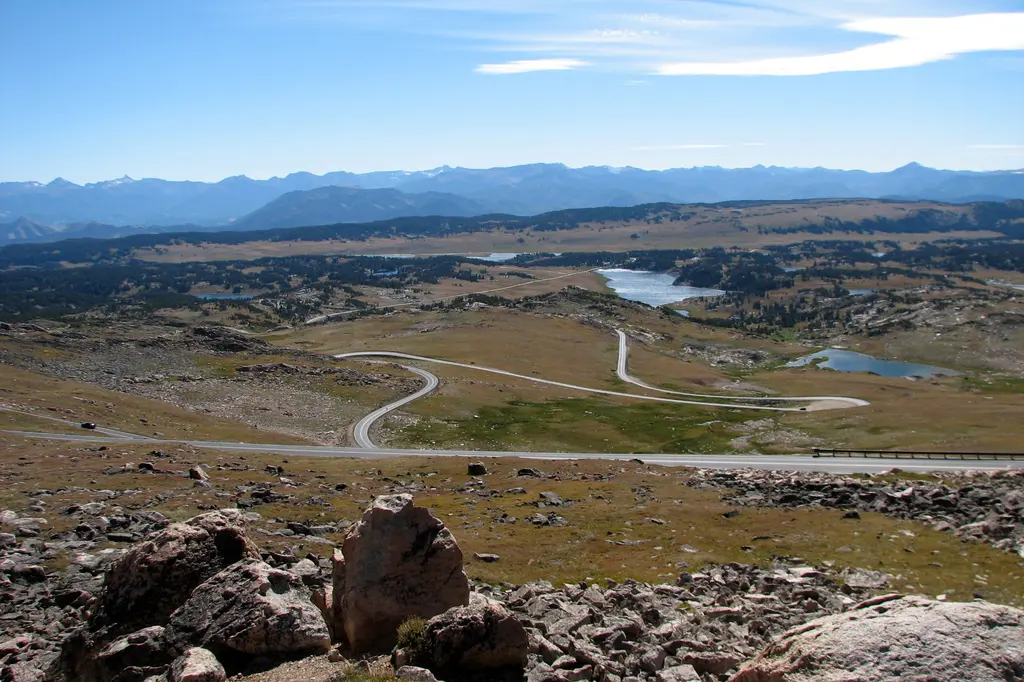
Beartooth Highway
The Beartooth is one of the ten longest road climbs in the United States: 30 miles from Red Lodge at 5,555 feet to Beartooth Pass at 10,947, averaging a civilized 3.4 percent. The first stack of six hairpins arrives at mile 14, the road breaks treeline around 8,000 feet, and the last hour is pure alpine tundra with the glacial cirques of the Beartooth Plateau falling away on every side. The gradient never brutalizes you; the altitude does, and so does the weather, which can flip from sun to sleet in twenty minutes any month of the year. The road is typically open Memorial Day weekend to mid-October, and midsummer brings heavy motorcycle and RV traffic, so locals start early. An out-and-back from Red Lodge is a full day and one of the great rides in North America.
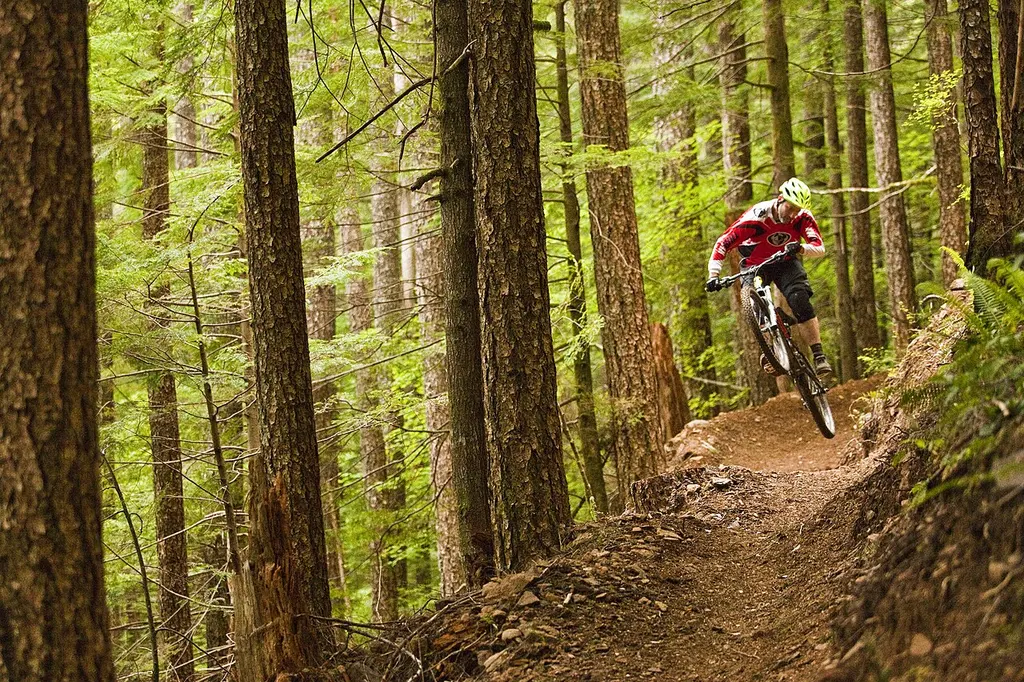
Whitefish Trail
The Whitefish Trail is what happens when a town decides to build its own trail system: 47 miles of natural-surface singletrack and stacked loops across 15 trailheads, ringing Whitefish Lake through 6,100 acres of protected forest. Whitefish Legacy Partners has been building it since 2010, and the master plan closes a 55-plus-mile loop around the entire lake, with new connectors still going in. Lion Mountain, Spencer Mountain, and the Beaver Lakes zone are the marquee riding areas, with lake overlooks, buff XC tread, and enough gated logging road to link nearly 30 miles of uninterrupted riding. It sits minutes from downtown Whitefish and pairs naturally with the lift-served bike park at Whitefish Mountain Resort, making the town a legitimate two-bike destination from May through October.
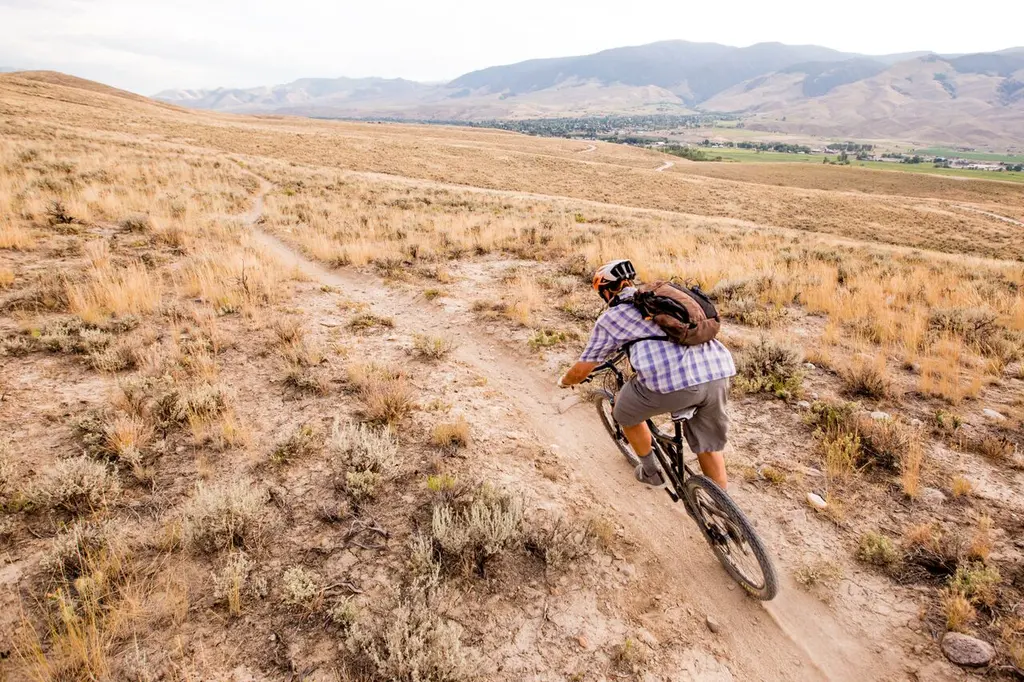
Bangtail Divide Trail
Bozeman's classic backcountry ride is an IMBA Epic: 25 miles point-to-point, 3,400 feet of climbing, three quarters of it singletrack, topping out at 7,921 feet. Ridden south to north, the trail switchbacks out of Stone Creek, settles into long ridgetop cruising along the divide, and finishes with the fast, flowy Grassy Mountain descent to Brackett Creek; most riders shuttle Bridger Canyon Road. From the ridge you can count seven ranges on a clear day, from the Bridgers and Crazies to the Absarokas and Tobacco Roots, and the July wildflower bloom up top is famous in its own right. There is little to no water on route, so carry everything. The tread is intermediate-friendly, but the distance and exposure make it an expert-length day between mid-June and October.
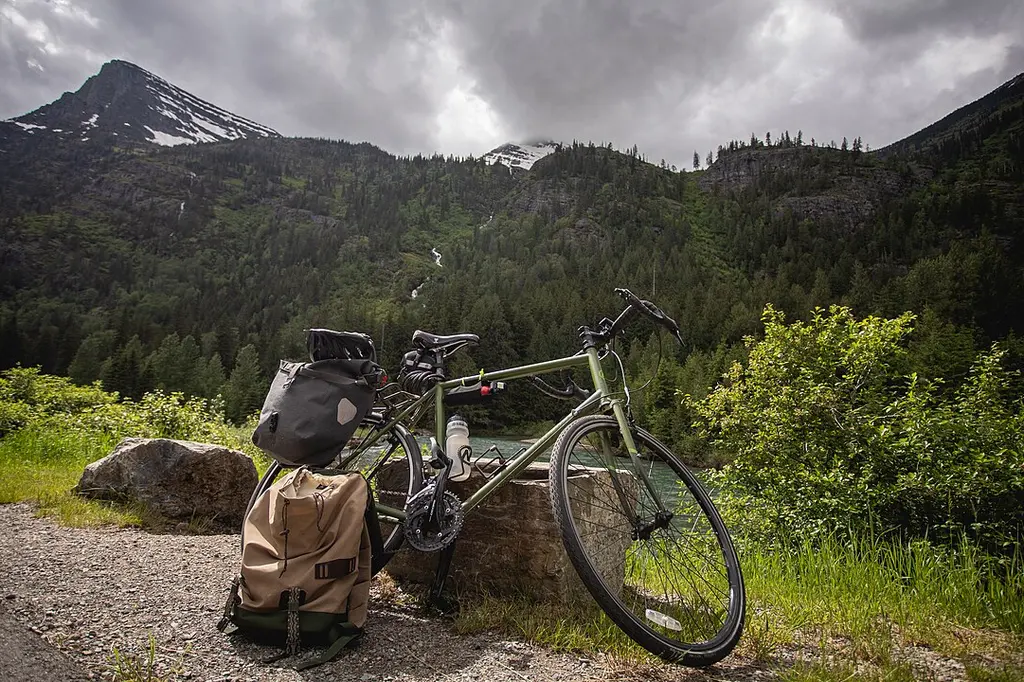
Great Divide Mountain Bike Route
Montana owns the longest state share of the world's longest off-pavement touring route: roughly 700 miles of the 2,696-mile Great Divide Mountain Bike Route, entering from Canada at Roosville and rolling south past Glacier's western edge and the Bob Marshall Wilderness before threading Eureka, Whitefish, Ovando, Lincoln, Helena, Butte, and Lima on its way to Idaho. Adventure Cycling's Section 1 map alone, Roosville to Polaris, covers 542 all-Montana miles rated among the hardest of the entire route, and Fleecer Ridge near Wise River remains its most notorious hike-a-bike. The surface is 90 percent gravel, dirt, and old 4x4 track, and this is grizzly country nearly the whole way, so bear spray rides on the frame bag. Prime season runs late June through September, and Ovando's famous cyclist-only lodging tells you how central this route has become to the towns along it.
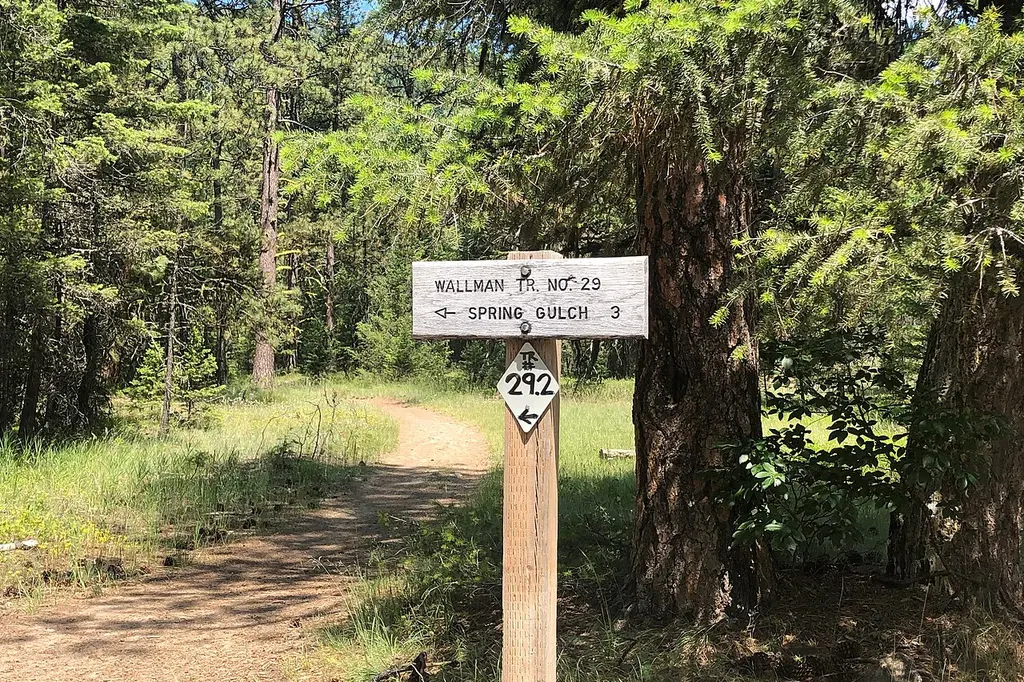
Rattlesnake National Recreation Area
Four miles north of downtown Missoula, the Rattlesnake delivers one of the best town-to-trail setups in the state. The main corridor is old Forest Road 99, closed to motor vehicles since 1984: a gentle doubletrack that parallels Rattlesnake Creek for 15 miles up the drainage to the wilderness boundary, where bikes stop and the Rattlesnake Wilderness begins. Around it, roughly 50 miles of interconnected trail climb the Sawmill, Curry, and Spring gulches, from creekside cruising at 4,200 feet to steep gulch climbs with proper descents. The low-elevation corridor melts out early and stays rideable late, giving Missoula riders one of the longest trail seasons in Montana, and the proximity means you share it with runners, dog walkers, and the occasional moose. It is the town's backyard, and it rides like a gift.
Montana Cycling Events
From the Butte 100's Continental Divide singletrack to gravel weekends in the Nine Mile Valley, Montana's calendar is dirt-first, community-run, and worth planning a trip around.
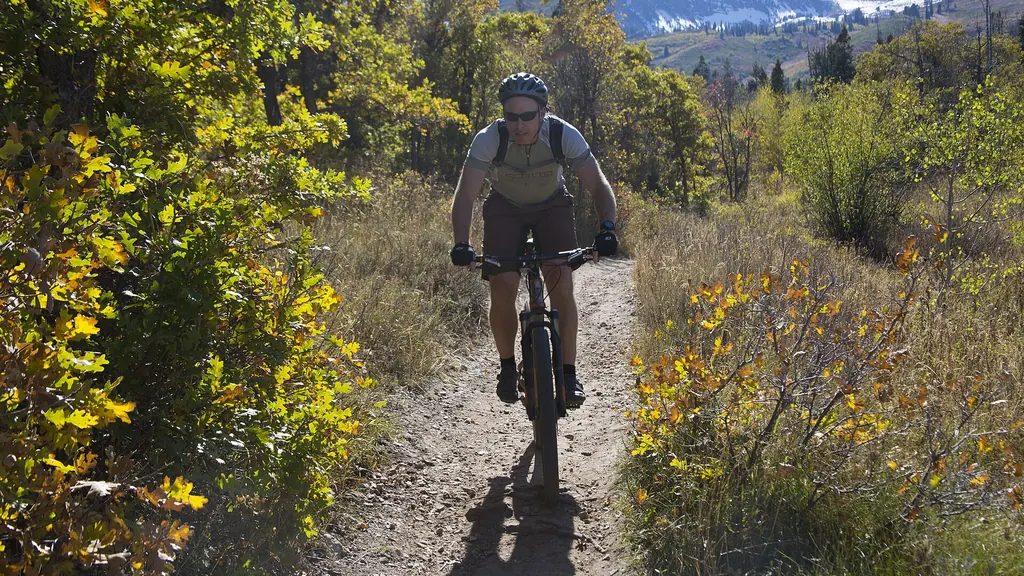
Butte 100 MTB Race
Running since 2007, the Butte 100 has grown from a local gravel-road gathering into one of the hardest endurance mountain bike races in the country. The 104-mile course stacks roughly 16,600 feet of climbing across two laps atop Homestake Pass, including four miles of Continental Divide Trail singletrack that riders call the best on the course and a stretch known locally as the eight miles of hell, three climbs hovering around 8,000 feet. Nine aid stations and a hard evening cutoff keep the day honest, and the shorter Butte 50 and Sorini 25 open the course to mortals. Entries are first-come, first-served and sell out.
Event website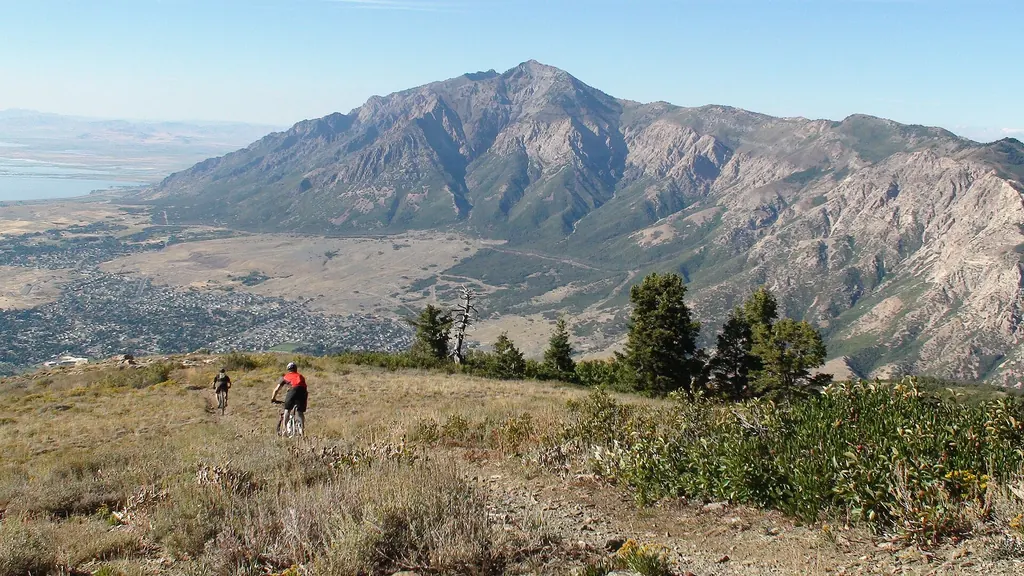
Big Sky Biggie
The Biggie climbs out of Big Sky Town Center toward Lone Peak on courses that are roughly 85 percent singletrack, mixing well-built flow trails with old-school tread the organizers keep in on purpose. The 48-mile flagship descends the Snake Charmer trail through Big Sky Resort's downhill park, the 31-mile course carries a timed downhill segment, and a 14-mile option welcomes newer riders. Sections cross private ranch parcels opened to riders one day a year, which is half the event's magic. Run by a local nonprofit that returns proceeds directly to Big Sky's trails, it caps its fields and fills them every year.
Event website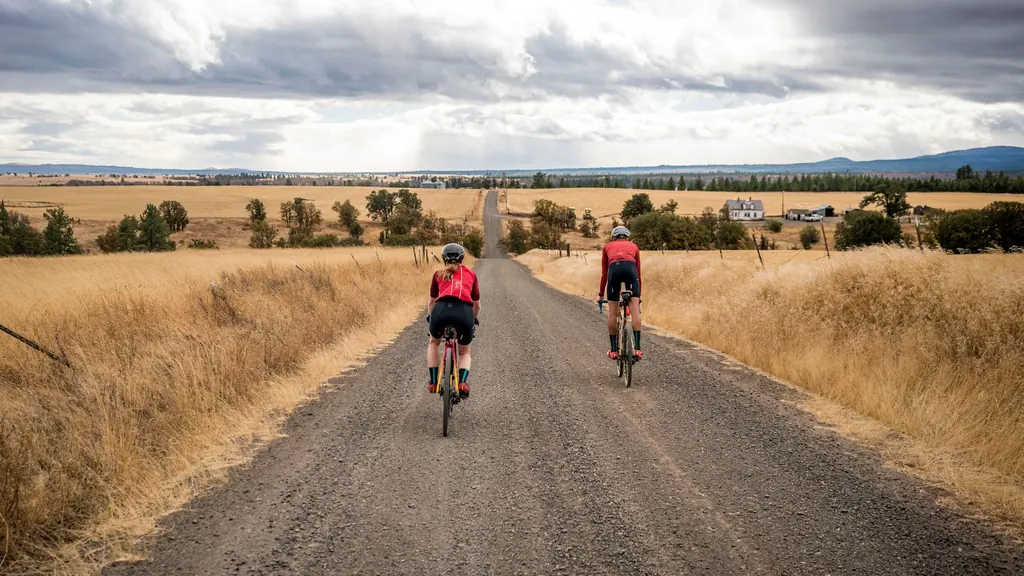
Big Sky Gravel
Big Sky Gravel rolls out of downtown Red Lodge into ranching country at the foot of the Beartooths, on gravel that stays smooth and rolling while the scenery does the heavy lifting. Riders choose 22, 50, or 100 miles, with tour and e-bike options on the short course, and the support is thorough for a young event: stocked aid, SAG, drop bags at designated mile markers, a marked and GPS-supported course, and finish-line food back at the Roosevelt Center. The organizers pitch it as a gift to the cycling community rather than a cutthroat race, and it rides that way: a supported big day out for anyone building toward something longer.
Event website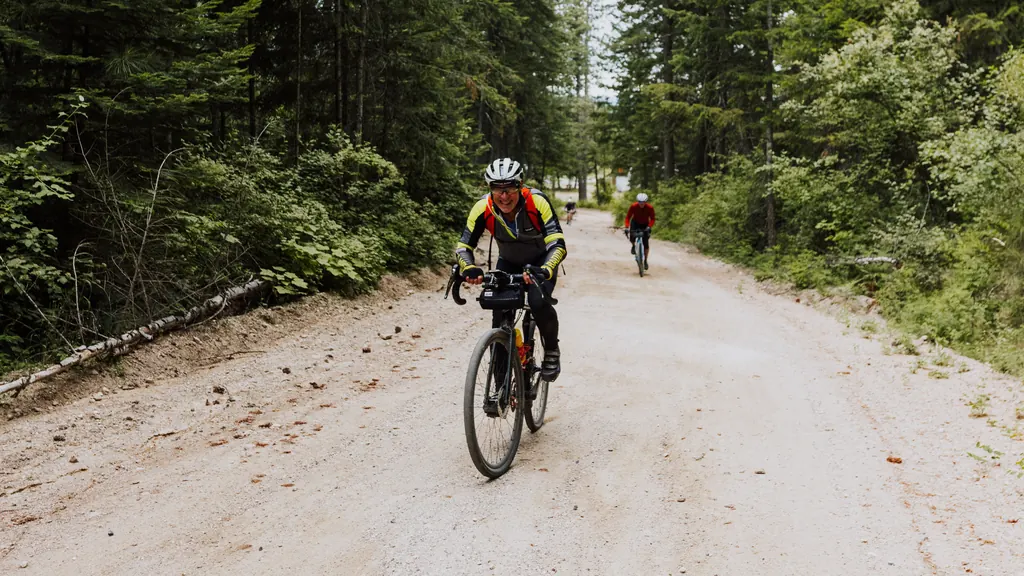
Montana Gravel Challenge
Montana's only gravel stage race packs three days into the Nine Mile and Six Mile valleys west of Missoula: a Friday all-gravel time trial, a 56-mile road-and-gravel stage, and a 45-mile finale on the long-running Rocky Mountain Roubaix course, a fixture of the western Montana spring for years. Mass-start categories cover competitive pelotons, a co-ed recreation division, paracyclists, and even a virtual division scored on Strava, so the field ranges from racers chasing the overall to riders using the first weekend of May as their season-opening fitness test. Every three-stage finisher leaves with official swag and legs that know exactly where they stand.
Event website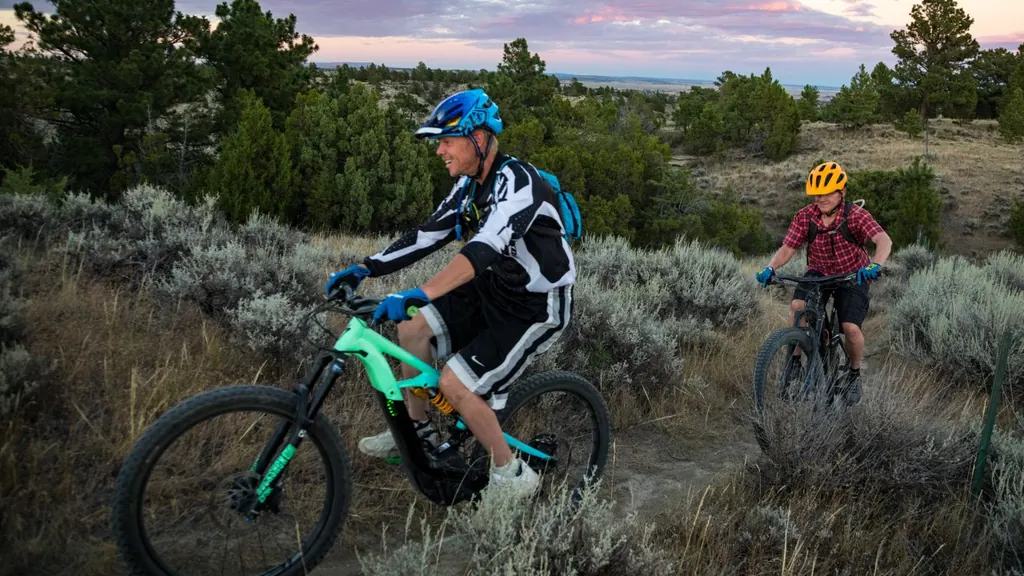
The Hoot at Crosscut
The Hoot is Bozeman's community mountain bike race, held on the trail network at Crosscut Mountain Sports Center in Bridger Canyon with the Bridger Range standing over the start. Courses of 20, 10, and 5 miles plus a kids race blend climbs, descents, flow trails, and just enough technical riding to keep it interesting, with waves rolling out of the events stadium five minutes apart. The vibe is small-town festival rather than championship: local shops sponsor it, the first hundred registrants get a custom hat, and the nonprofit venue hosts riders of every age and ability. It is the easiest way to race a bike in Montana and still feel the Rockies around you.
Event website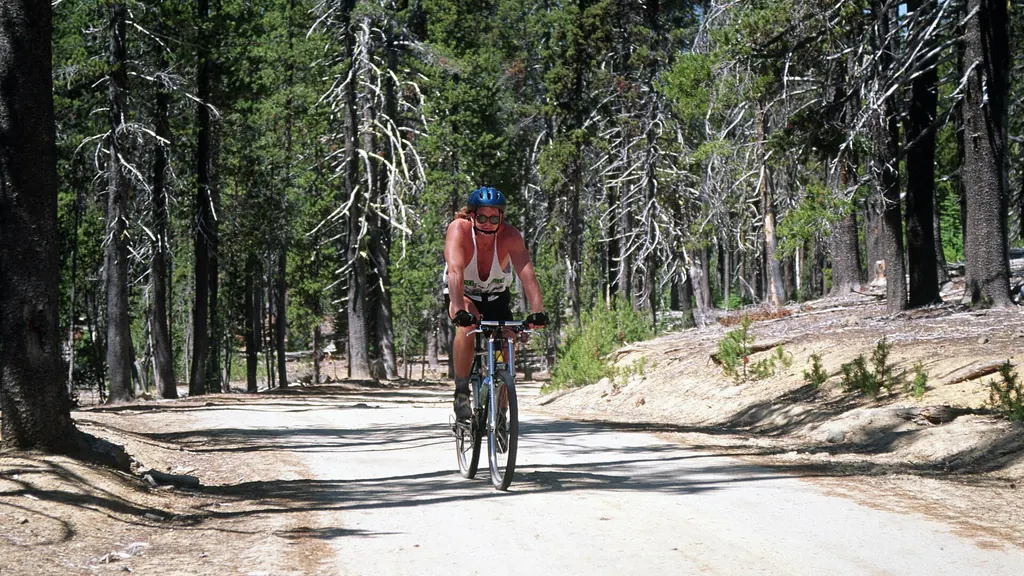
Garden City Gravel
Named for Missoula's old nickname, Garden City Gravel showcases the Nine Mile Valley's best gravel on 55- and 40-mile courses, a 25-mile route aimed squarely at beginners and riders aged 9 to 16, and an XL that strings the two big loops together for nearly 95 miles. The support is generous for a grassroots event: four vehicles rove the course with flat repair, nutrition, and medical supplies, two stocked aid stations anchor miles 23 and 35, and the day ends with a free BBQ and camping at the venue. It is one leg of the Montana Off Road Cup, and riders who finish all three events earn a custom belt buckle, which in Montana counts as jewelry.
Event websiteMontana E-bike Law and Insurance FAQ
- What are the e-bike laws in Montana?
- Montana is one of the last states without a three-class system: Montana HB 261 (2023) and Montana SB 387 (2025) both died trying to create one. One sentence in MCA 61-8-102(7) does the work instead: if the motor cannot push a 170-pound rider past 20 mph on level pavement, the machine is a bicycle. No license, no registration, no insurance.
- Do Class 1, Class 2, and Class 3 e-bikes need insurance in Montana?
- Insurance is optional in Montana: the mandatory-liability statute reaches motor vehicles only. Montana draws no class lines, so a Class 1 pedal-assist bike cutting off at 20 mph and a Class 2 throttle bike capped at 20 mph both ride as bicycles, while a Class 3 pedal-assist bike reaching 28 mph fails the 20 mph capability test and falls toward moped rules. A standalone Velosurance policy starts around $9 per month, covering theft, crash damage, and optional liability.
- What does bicycle and e-bike insurance cover in Montana?
- A standalone Velosurance policy covers theft, accidental and crash damage, and damage in transit, with optional liability and medical payments coverage. Montana asks nothing of e-bike owners, so any protection for the bike or after a crash is coverage you arrange yourself. Policies start around $9 per month for Montana riders.
- Can you ride an e-bike on the sidewalk in Montana?
- Sidewalk riding is legal statewide: MCA 61-8-608 lets bicycles, qualifying e-bikes included, ride sidewalks with pedestrian duties and an audible signal before passing. Two local exceptions to watch: Missoula bans e-bikes on Central Business District sidewalks under Ordinance 3638, and Bozeman bars riders over 15 from sidewalks. Yield to walkers and check the ordinance where you ride.
Montana e-bike laws explained: classes, age limits, and what changes next.
Keep Riding: Nearby States
Cross a border and the trails, the weather, and the e-bike laws all change. See how Montana's neighbors compare.
Why Velosurance is best for your bicycle
Not all types of insurance are created equal. Velosurance levels the playing field by offering stand-alone bicycle coverage, where claims won't affect your homeowner's or renter's policy premiums.
| Policy Coverage |  | Homeowner/Renters Policy |
|---|---|---|
| Insured at Full Value | Yes | Possibly |
| Crash Damage | Yes | No |
| Theft Coverage | Yes | Limited |
| Theft by Force | Yes | No |
| Theft of Accessories | Yes | Limited |
| Theft Away From Home | Yes | Possibly |
| Uninsured Motorist | Yes | No |
| Personal Liability | Yes | Possibly |
| Permissive Use Policy | Yes | No |
| Replacement Rental | Yes | No |
| Event Fee Return | Yes | No |
| Cycling Apparel Coverage | Yes | No |
| Medical Payments | Yes | Possibly |
| Racing Coverage | Yes | No |
| E-bikes | Yes | No |
| Coverage in-transit | Yes | No |
| USAC, USAT and IMBA Member Discount | Yes | No |
| FREE INSTANT QUOTE |
Not all insurance policies provide the same level of protection, and many people only discover gaps in their coverage after filing a claim. We’ve done the hard work of reviewing the fine print. To see how plans compare, check out our insurance comparison.
Client satisfaction is our #1 goal. Here's what our clients say about Velosurance


Velosurance really stepped up and put me at ease. The claim was fast and easy. I am insuring all my bikes now.

Check out Velosurance reviews to see what people are saying about us.
Montana's best bicycle and e-bike insurance
No matter where your adventures take you, protect your bicycle and yourself from the unexpected with America's best bike insurance.