


Utah cycling in numbers
65%
Bike ownership
3,100+
Miles of trails
46
State parks
71
Bike friendliness score
Utah from a cyclist's perspective
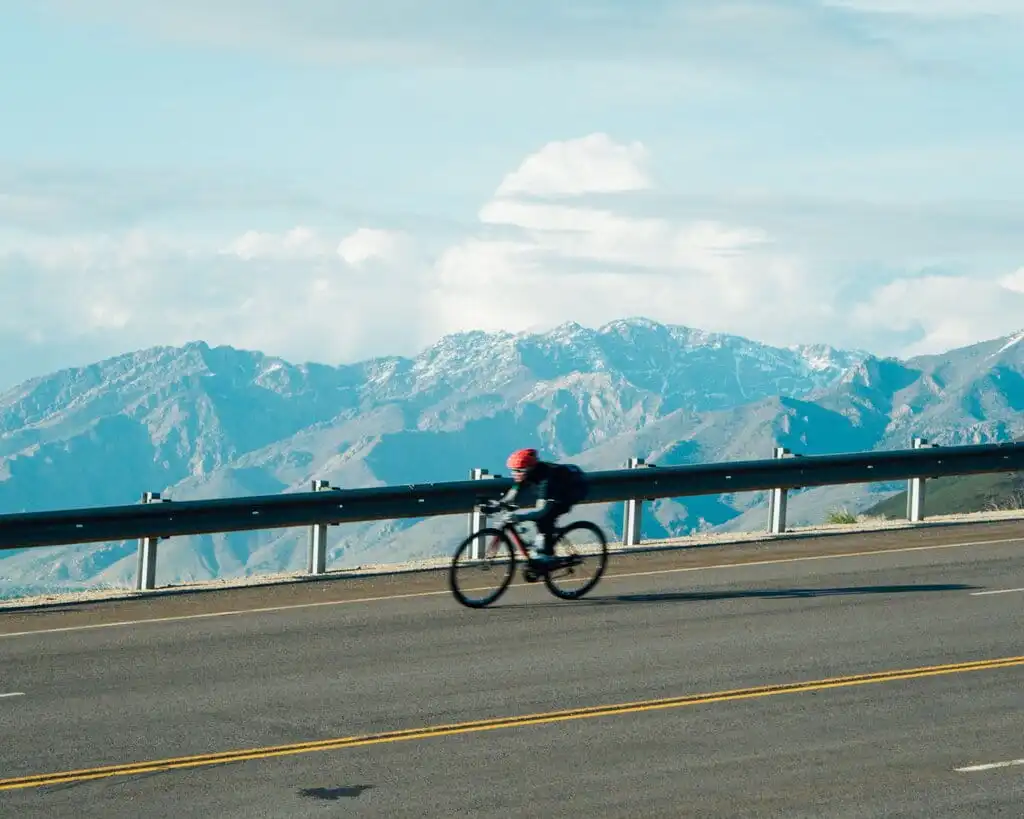
Utah feels built for riders who like big landscapes, long views, and a mix of dirt and pavement that still feels accessible. From the Wasatch Front to the red rock deserts in the south, the state offers a wide variety of riding experiences that are easy to frame as “bucket list” territory for many cyclists.
Along the Wasatch Front, the Salt Lake City area is the natural base camp. The city’s core has been steadily adding bike lanes and low-stress connectors, so everyday riding is workable in many neighborhoods, especially close to downtown and the university. Protected lanes are still patchy by the standards of the country’s top cycling cities, but there is a visible spine of bikeways, growing trail links, and a culture that is familiar with riders on the road. For a visiting cyclist, you can land, roll straight from a hotel, and stitch together a mix of streets and paths without feeling like you are on your own.
Trails are where Utah really sells itself. The Jordan River Parkway offers a long, mostly continuous multi-use path that threads through the heart of the metro area, tying neighborhoods and parks into a single route that works for both commuters and casual riders. To the east, the Bonneville Shoreline Trail conceptually traces the prehistoric lake edge, giving mountain bikers close to town access to rolling singletrack and big city views. Further south, Park City has become a modern classic with a dense web of lift-served and cross-country trails that appeal to intermediate and advanced riders while still giving beginners options close to town.
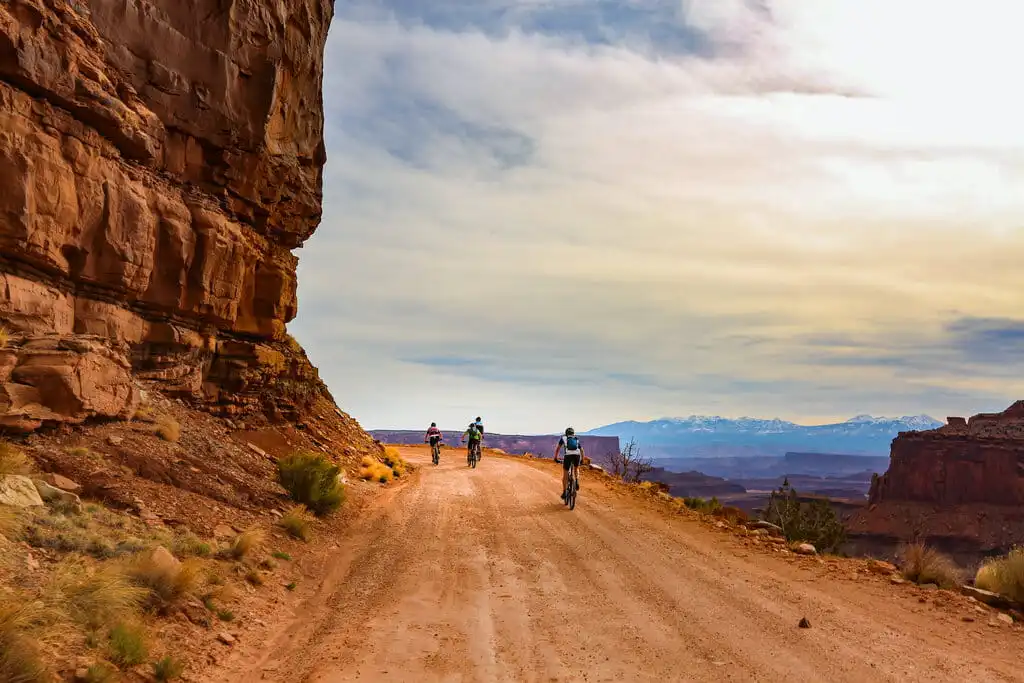 Beyond the Wasatch, red rock country is what many cyclists picture when they think of Utah. Moab is still a flagship destination, known for iconic routes like Slickrock and an ever expanding network of purpose built trail that serves modern trail bikes better than ever. Nearby systems around St. George and Hurricane bring similar sandstone and slickrock riding in a slightly milder winter climate, which stretches the season for road, gravel, and mountain riders.
From a city friendliness standpoint, Utah’s largest metros sit in the “good but still developing” category. Salt Lake City and its neighboring communities have clearly moved beyond car-only planning, with emerging corridors where bikes feel like a normal part of daily life. At the same time, high-speed arterials, gaps between trails, and suburban layouts still limit how far a nervous rider will wander. It would be fair to describe Utah is as a state where the everyday city riding is improving and usable, and the destination riding already feels world-class.
Utah E-bike Laws
Three classes, no paperwork, and a brand-new rulebook. Here is where Utah stands on e-bikes after Utah HB 381 and what changes next.
Utah rewrote its e-bike rulebook on May 6, 2026. Utah HB 381 keeps the three-class, 750-watt framework but adds a helmet mandate for every rider under 21 on public roads, extends DUI law to all three classes, and draws a hard legal line: anything that tops 20 mph on motor power alone is an electric motorcycle, not an e-bike.
The motor assists only while pedaling and cuts off at 20 mph; 750-watt maximum (Utah Code 41-6a-102).
The throttle may propel the bike without pedaling, with assistance ending at 20 mph.
Assists only while pedaling up to 28 mph; a speedometer is required and riders must be 16 or older.
Compliant e-bikes are regulated as bicycles (Utah Code 41-6a-1115.5); electric motorcycles need a license with a motorcycle endorsement.
E-bikes within the three-class, 750-watt limits carry no registration; out-of-class electric motorcycles must be titled and registered.
Utah requires no insurance for compliant e-bikes — electric motorcycles on public roads do need motorcycle coverage.
Riders under 8 may not use the motor on public roads; riders under 14 ride only under direct adult supervision; Class 3 requires age 16 (Utah Code 41-6a-1115.5).
Since May 6, 2026, every rider under 21 wears a CPSC-standard helmet on public roads, on all three classes — previously Class 3 only (Utah HB 381).
Where You Can Ride
- Roads & bike lanesE-bikes ride wherever bicycles ride — bike lanes, streets, and shoulders; freeways are off-limits.
- Paths & trailsE-bikes may use any path or trail designated for bicycles; cities and state agencies may restrict specific classes (Utah Code 41-6a-1115.5).
- SidewalksAllowed statewide like bicycles, with local opt-outs — downtown Salt Lake City bans sidewalk riding in its core.
- Federal landsMost non-motorized federal trails remain closed to e-bikes, though BLM Moab opened 211 miles of singletrack to Class 1 in March 2026.
- E-motos & high-power devicesOver 750 watts or faster than 20 mph on motor power alone means electric motorcycle rules: license, registration, insurance, and a 16+ floor.
Safety Certificate for Riders 8 to 15
The second phase of Utah HB 381 takes effect May 5, 2027: riders ages 8 to 15 must either ride under direct adult supervision or complete the Utah Department of Public Safety's online course and hold a Personal Electric Vehicle Safety Certificate. The certificate costs $10, and only the official state course counts. Riders 16 and older need no certificate or supervision.
Effective May 6, 2026 under Utah HB 381. Statutes: Utah Code 41-6a-102, 41-6a-1115.5, 41-6a-1505. Cities and park districts can add their own path and trail restrictions — check signage where you ride. Last reviewed June 2026.
Utah Cycling Weather
Utah offers a shifting seasonal landscape that rewards the well-prepared cyclist with 300 days of rideable sunshine.
Sunny days a year
Riding season
Mar - Oct
Utah Cycling Destinations
Moab and the Whole Enchilada
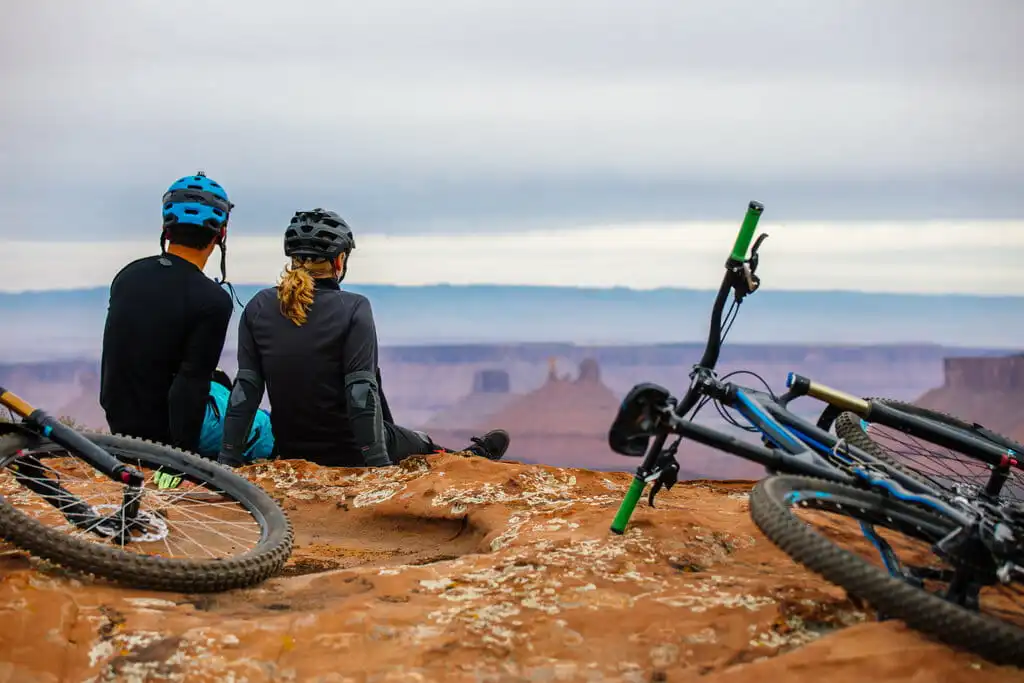
Moab is Utah’s ultimate desert fantasy for riders, a place where every trailhead seems to open into another red rock postcard. The Whole Enchilada captures the full drama, starting high in the La Sal Mountains and dropping through spruce forest, aspen, sage, and finally sandstone above the Colorado River. The upper sections feel almost alpine, with tight switchbacks and cooler temperatures before the trail tips into faster, rockier terrain. Lower down, the riding becomes a test of line choice and stamina over ledges, slickrock roll downs, and exposure that keeps your attention locked in. Even strong riders treat it as a full day, thanks to the combination of rough surface, big vertical change, and desert heat. In town, bike shops, shuttles, and cafes are tuned to visiting riders, so logistics are easy once you are there. As a destination, Moab suits confident intermediates through experts looking for memorable terrain rather than casual cruising.
Park City and Mid Mountain
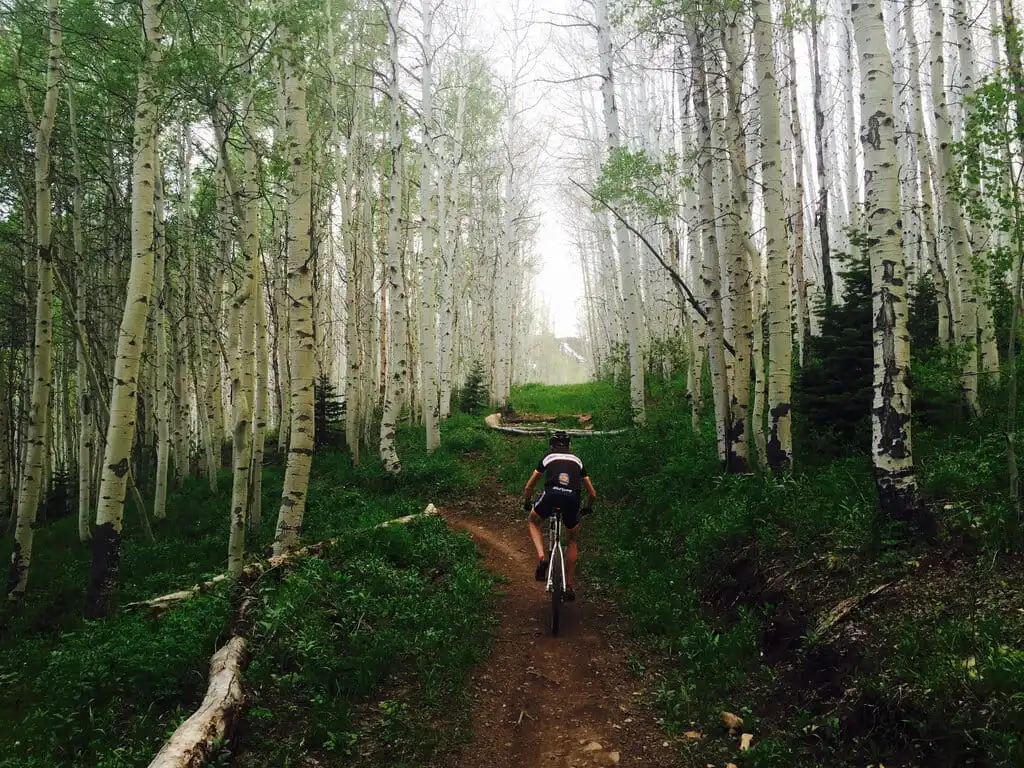
Park City offers one of the country’s most polished trail systems, with hundreds of miles of linked singletrack rising from town into ski terrain and high meadows. The overall feel is flowing rather than brutal, with well-built climbs, graded switchbacks, and long traverses that reward fitness more than raw nerve. Mid Mountain Trail is the signature line, rolling along the slopes above the town and tying together multiple trailheads, lifts, and side loops. The riding here is noticeably friendlier than Moab for newer mountain bikers, yet still holds plenty of challenge through length, altitude, and optional techy diversions. Aspens, spruce, and regular views over resort runs give it a classic alpine atmosphere during summer and golden fall. On the ground, bike shops, rentals, and a steady stream of riders mean support is easy to find, and paved paths in town make post-ride spins to food or lodging simple.
Salt Lake City and the Foothills
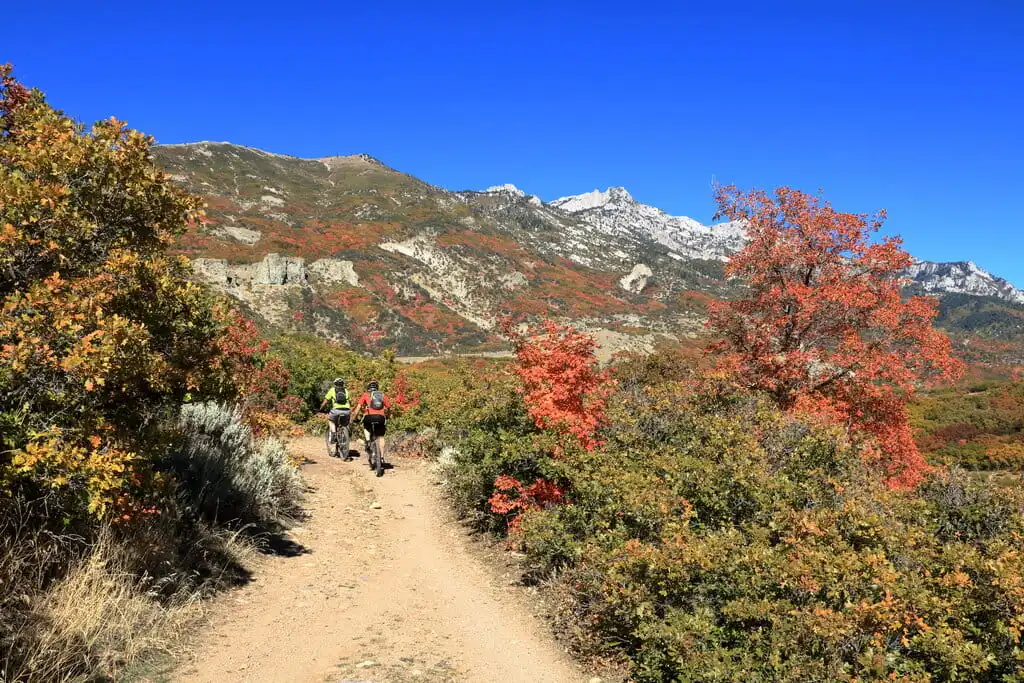
Salt Lake City surprises many visitors with how quickly you can ride from downtown into genuine foothill singletrack. The city’s east bench neighborhoods put you close to trailheads that climb onto ridges above the valley, and once you are on dirt, the urban grid drops away in a few minutes. Popular routes in the foothills mix modern machine-built flow with older, hand-cut lines that traverse gullies and contour along slopes, giving locals a fast after-work playground. The atmosphere is busy but friendly, with runners, hikers, and riders sharing popular routes and a growing set of signed trail networks. At street level, bike lanes and neighborhood byways are still a patchwork, but they are good enough that many riders connect from home to trail without loading a car. For visitors, this makes Salt Lake City an easy base for both city spins and quick mountain laps.
Jordan River Parkway, Wasatch Front
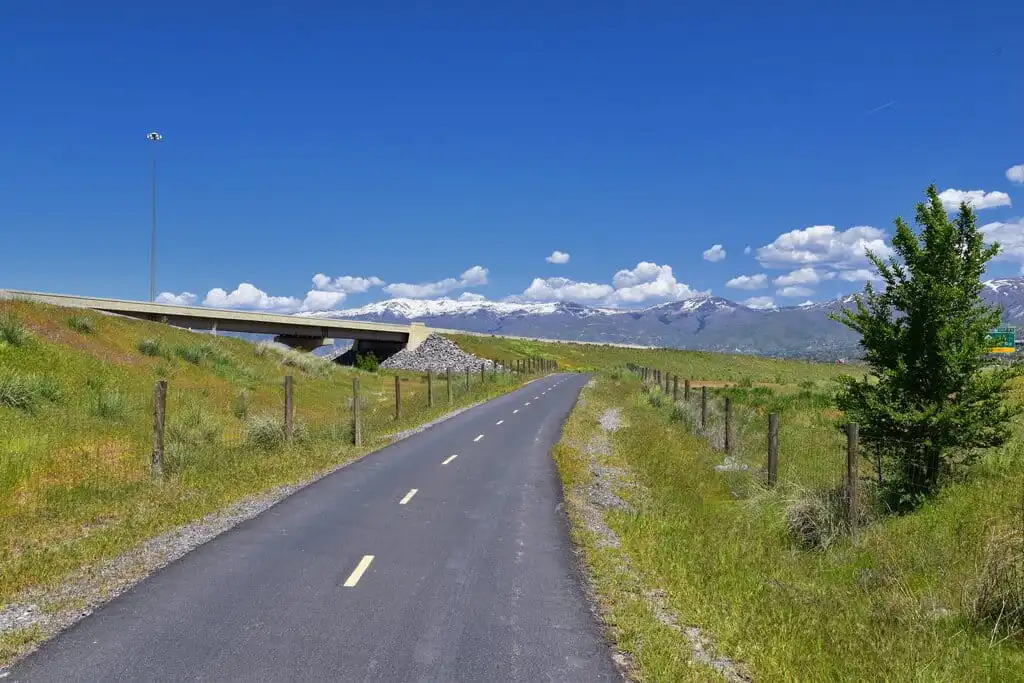
The Jordan River Parkway is the gentler counterpoint to Utah’s big mountain terrain, a linear greenway that follows the river corridor through the Salt Lake Valley. For cyclists, it functions as both a transportation spine and a relaxed touring route, linking parks, neighborhoods, and light industrial areas on a mostly separated path. The scenery alternates between wetlands, golf courses, and urban backyards, creating a sense of continuous movement through the valley rather than a remote backcountry escape. Riders who want low-stress mileage, family rides, or a recovery spin gravitate here, since much of the route avoids major intersections and steep grades. Access points and wayfinding are improving, with more trailheads, underpasses, and short connectors filling gaps over time. As part of the broader regional trail vision, the parkway feels like Utah’s everyday cycling backbone for those who are not chasing vertical.
St. George, Hurricane, and Desert Trails
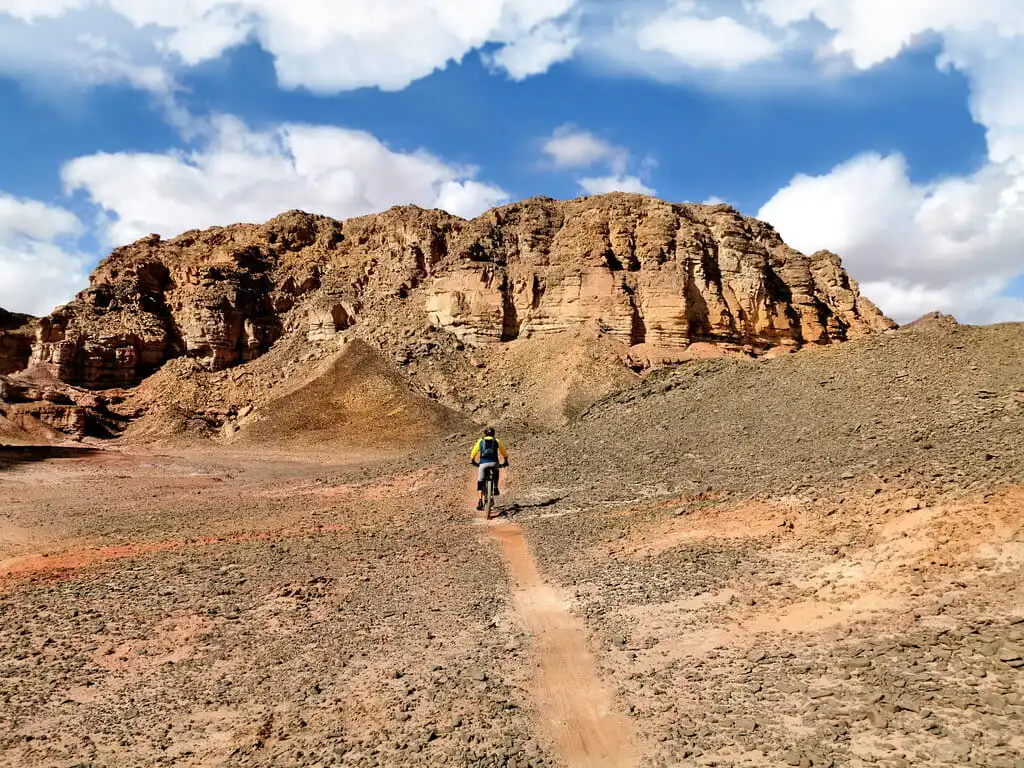
Far in the south, St. George and the Hurricane area offer red rock riding in a warmer climate that often extends the season by months. The terrain mixes classic desert singletrack with ribbons of slickrock and views toward Zion National Park, giving a big landscape feel without Moab’s crowds. Popular systems like Gooseberry Mesa and JEM Trail showcase this blend, with rock rolls, ledges, and fast bench cut traverses over open country. Surfaces can be chunky and technical in spots, but there are clear green and blue options that allow mixed ability groups to ride together. Towns in the area have embraced their role as outdoor gateways, so bike-friendly lodging, rentals, and trail shuttles are readily available. Road and gravel riders also find quiet backroads and paved paths that skirt canyons and river corridors.
Moab Canyon Pathway and Arches Gateway
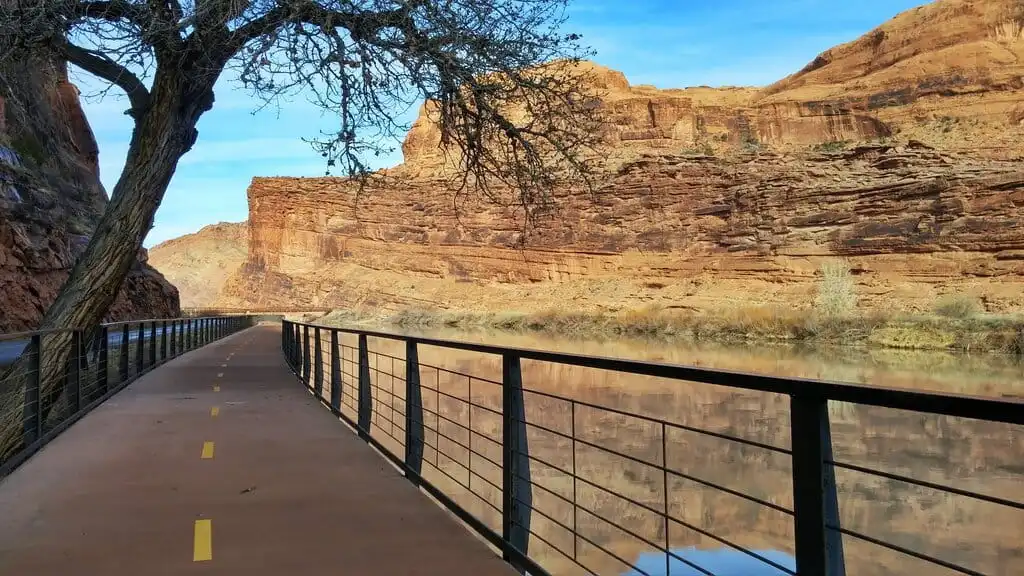
For riders who want Moab’s scenery without technical stress, the Moab Canyon Pathway and nearby paved trails provide an approachable gateway into red rock country. This separated path climbs gently from town toward the entrance of Arches National Park and beyond, giving touring cyclists and families a way to experience canyon views while staying away from highway traffic as much as possible. The grade is steady but manageable, and the surface is smooth, so the ride feels accessible on everything from loaded touring rigs to e-bikes and kids’ bikes. At junctions, spurs tie into trailheads and viewpoints, which makes it easy to turn a simple out-and-back into a series of short walks or photo stops. In the cool seasons, the pathway can feel like a steady parade of riders rolling between campgrounds, town, and the park boundary. It is also a logical warm-up day before tackling more technical dirt.
Utah Cycling Events
Utah is a premier cycling destination, hosting an incredible variety of world-class events year-round that range from grueling high-altitude mountain bike races in Park City to iconic long-distance road relays like the 200-mile LoToJa.

LoToJa Classic
LoToJa is Utah’s legendary point-to-point road race, carrying riders from Logan, Utah, to Jackson, Wyoming, through three states and over multiple mountain passes. It is widely known as one of the toughest single-day amateur road events in the United States, drawing a strong regional and national field every September. The route rolls through farmland, canyons, and high country before finishing beneath the Tetons, so weather and conditions can vary dramatically in one day. Riders treat LoToJa as a bucket list test of fitness and focus, with full support but minimal margin for weak preparation.
Event website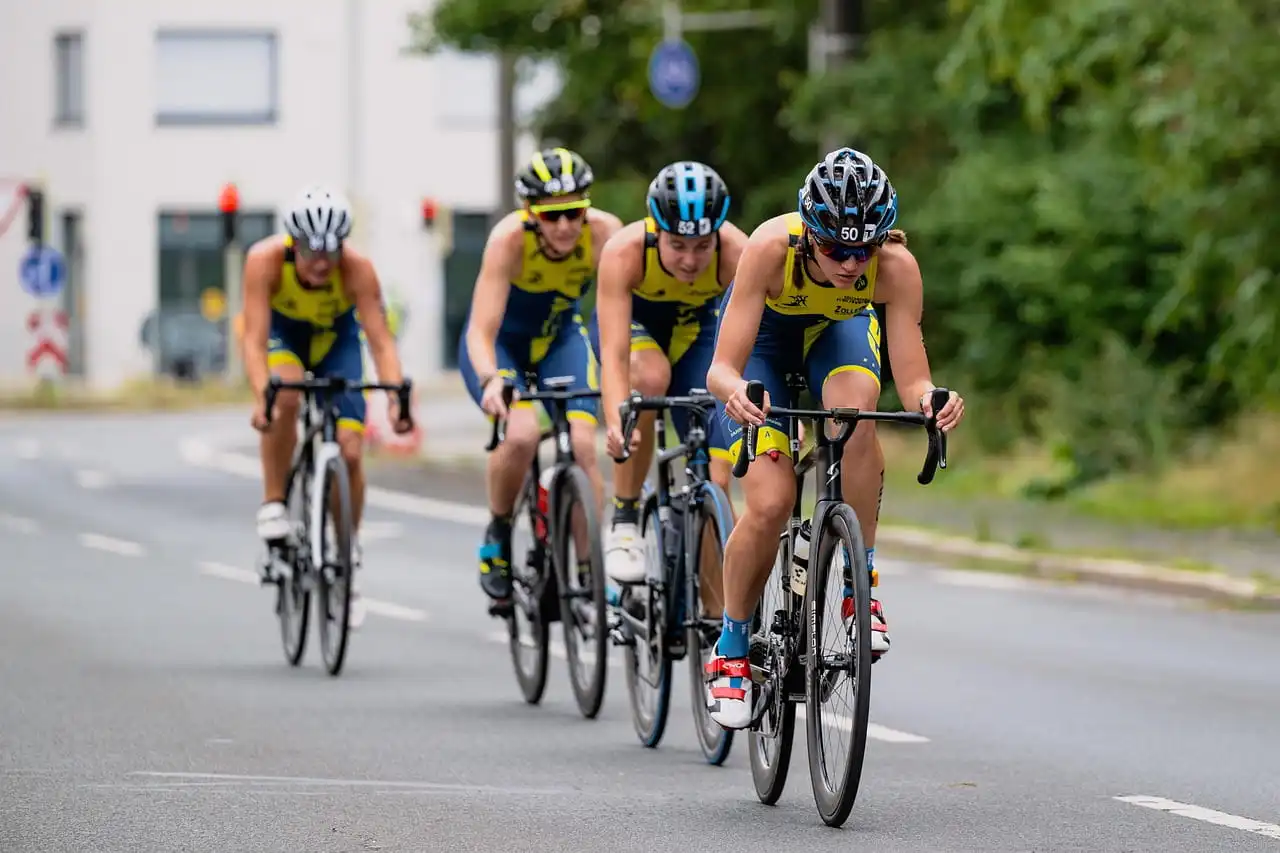
Little Red Riding Hood
Little Red Riding Hood is a beloved women-only road cycling event based out of Lewiston in Cache Valley, combining a festival atmosphere with serious mileage options. The ride winds through rural Utah and into southern Idaho on quiet farm roads with broad mountain views and rolling terrain. It is fully supported and non-competitive, which makes it especially popular for groups and newer riders stepping up in distance. The event also has a strong charitable component, raising funds for breast and ovarian cancer causes, and the fairgrounds start and finish area feels more like a community celebration than a start pen.
Event website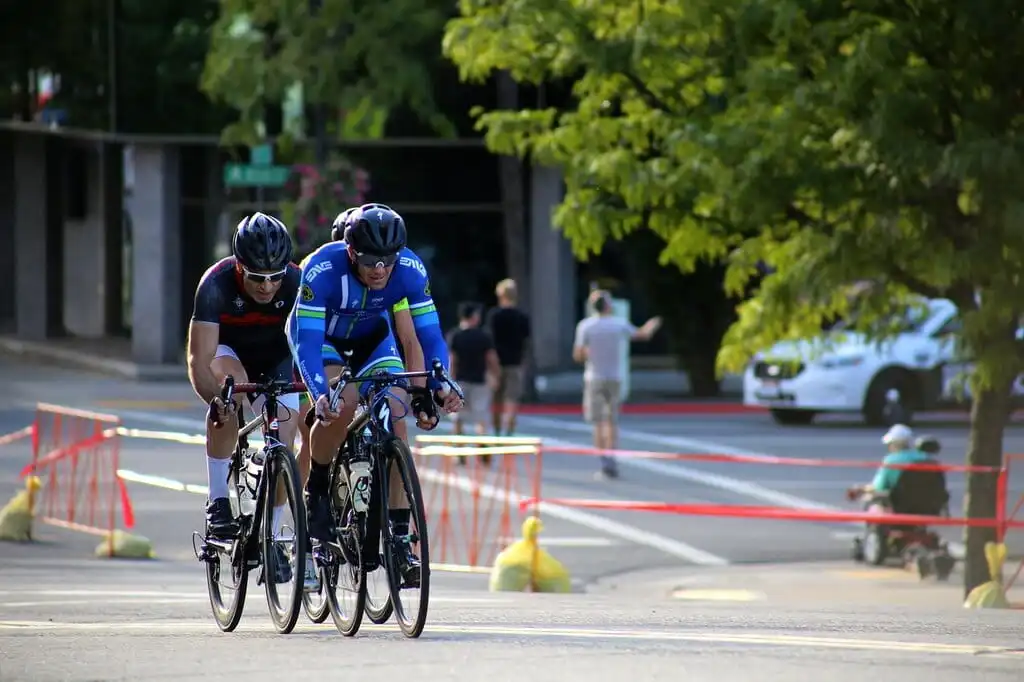
Gran Fondo Salt Lake
Gran Fondo Salt Lake is a late-season road and gran fondo-style event that showcases foothill climbs, the State Capitol area, and rural stretches north of the city. Riders roll out from the west side of Salt Lake City, loop around the Capitol and benches, then head into Davis County on quieter roads with a mix of rollers and flatter sections. The ride is organized as a challenging but friendly tour rather than a strict race, with support stations and an emphasis on enjoying fall conditions along the Wasatch Front. It attracts a broad mix of local riders and traveling gran fondo fans.
Event website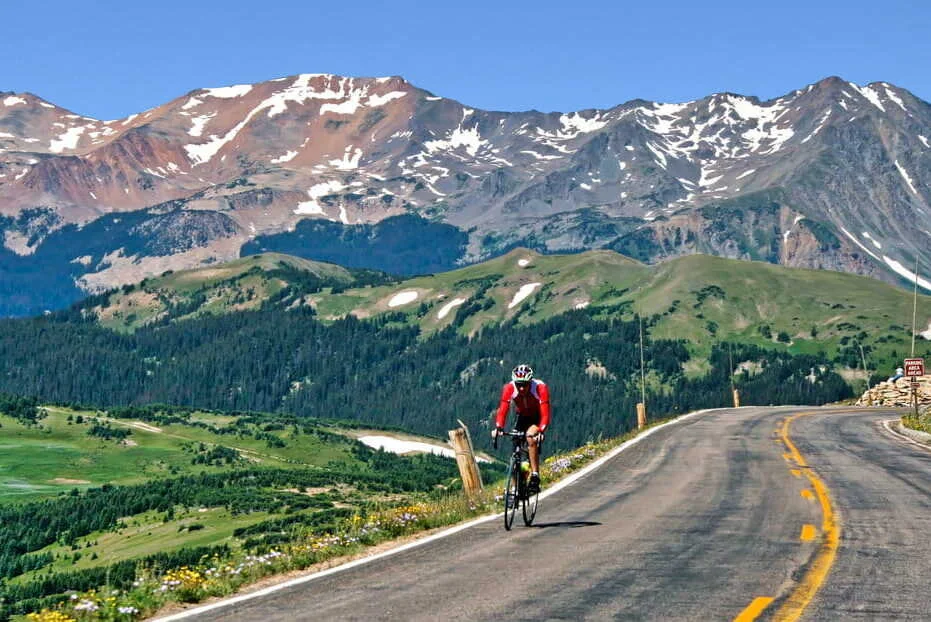
Gran Fondo Utah (Nebo Loop)
Gran Fondo Utah is part of the Gran Fondo National Series and uses Payson as a gateway to the spectacular Nebo Loop and surrounding canyon country. The event blends competitive segments with a supportive ride format, so participants can chase timed climbs while still regrouping with friends between timing mats. The Nebo Loop climb is the headline feature, a Tour of Utah classic that delivers big views, high elevation, and sustained gradients. Lower stretches of the course wind through orchards, ranchland, and Goshen Canyon, offering a strong sense of place beyond the pure physical challenge.
Event website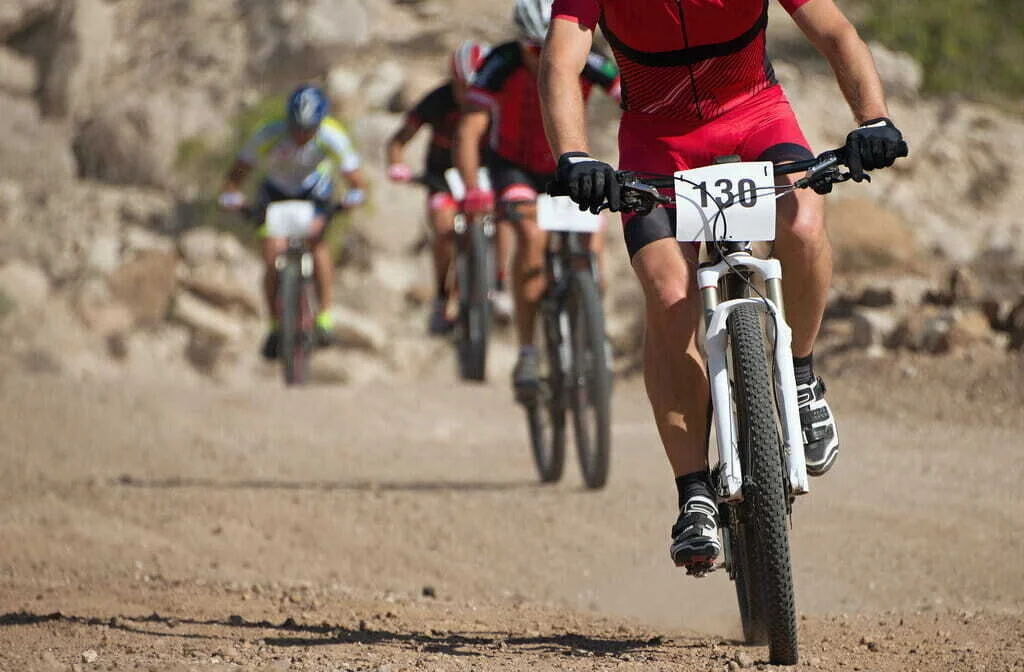
Tour des Suds, Park City
Tour des Suds in Park City is a quirky, high-energy mountain bike hill climb that doubles as both a serious race and a costume party on wheels. Riders start near City Park, then grind up through the aspen forest toward Guardsman Pass, often dressed in everything from retro race kits to outlandish outfits. The event culture encourages people to go as hard or as silly as they like, with prizes and recognition for both performance and creativity. At the top, a lively finish scene and mountain views reward the effort, and participants usually link the day with more casual trail time or Main Street recovery afterward.
Event website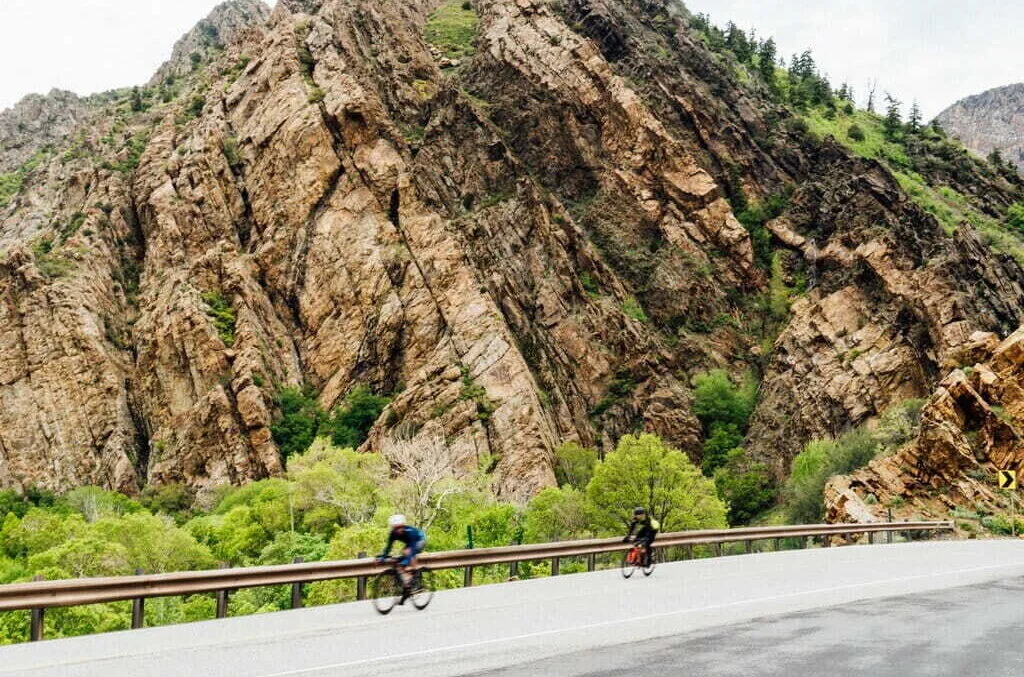
Utah Olympic Park / Park City Hill Climb Events
Park City regularly features hill climb and road cycling events that spotlight the Utah Olympic Park climb and nearby routes used in professional racing history. These events channel the spirit of the old Tour of Utah finale, sending riders up steep, sustained grades toward high elevation summits. The Utah Olympic Park road in particular has become a benchmark climb for local riders, with organized rides and timed challenges built around its compact but demanding profile. Participants enjoy a mix of spectator-friendly start and finish areas, smooth pavement, and gradients that make gearing and pacing critical.
Event websiteUtah E-bike Law and Insurance FAQ
- What are the e-bike laws in Utah?
- Utah HB 381 rewrote the rulebook on May 6, 2026. It keeps the three-class, 750-watt framework and requires no license, registration, or insurance for compliant e-bikes, but it adds a helmet mandate for every rider under 21 on public roads and extends DUI law to e-bikes. Anything that tops 20 mph on motor power alone is now an electric motorcycle, not an e-bike.
- Do Class 1, Class 2, and Class 3 e-bikes need insurance in Utah?
- Insurance stays optional for compliant e-bikes in Utah: Class 1 (pedal assist only, cutting off at 20 mph), Class 2 (throttle-capable, assistance ending at 20 mph), and Class 3 (pedal assist only to 28 mph, speedometer required, riders 16 and older) all ride without mandatory coverage. Electric motorcycles on public roads do need motorcycle coverage. For the e-bike itself, a standalone Velosurance policy starts around $9 per month.
- What does bicycle and e-bike insurance cover in Utah?
- A standalone Velosurance policy covers theft, accidental and crash damage, and damage in transit, with optional liability and medical payments coverage. Utah requires no insurance for a compliant e-bike, so a policy like this is how Utah riders protect the bike and their own liability. Policies start around $9 per month.
- Which e-bike riders must wear a helmet in Utah?
- Since May 6, 2026, every rider under 21 wears a CPSC-standard helmet on public roads, and the rule covers all three classes: Class 1 (pedal assist only to 20 mph), Class 2 (throttle-capable to 20 mph), and Class 3 (pedal assist only to 28 mph). Before Utah HB 381 the mandate applied to Class 3 only, so the under-21 rule is a real expansion.
Utah e-bike laws explained: classes, age limits, and what changes next.

Why Velosurance is best for your bicycle
Not all types of insurance are created equal. Velosurance levels the playing field by offering stand-alone bicycle coverage, where claims won’t affect your homeowner's or renter’s policy premiums.
| Policy Coverage |  | Homeowner/Renters Policy |
|---|---|---|
| Insured at Full Value | Yes | Possibly |
| Crash Damage | Yes | No |
| Theft Coverage | Yes | Limited |
| Theft by Force | Yes | No |
| Theft of Accessories | Yes | Limited |
| Theft Away From Home | Yes | Possibly |
| Uninsured Motorist | Yes | No |
| Personal Liability | Yes | Possibly |
| Permissive Use Policy | Yes | No |
| Replacement Rental | Yes | No |
| Event Fee Return | Yes | No |
| Cycling Apparel Coverage | Yes | No |
| Medical Payments | Yes | Possibly |
| Racing Coverage | Yes | No |
| E-bikes | Yes | No |
| Coverage in-transit | Yes | No |
| USAC, USAT and IMBA Member Discount | Yes | No |
| FREE INSTANT QUOTE |
Not all insurance policies provide the same level of protection, and many people only discover gaps in their coverage after filing a claim. We’ve done the hard work of reviewing the fine print. To see how plans compare, check out our insurance comparison.
Client satisfaction is our #1 goal. Here's what our clients say about Velosurance


Velosurance really stepped up and put me at ease. The claim was fast and easy. I am insuring all my bikes now.

Check out Velosurance reviews to see what people are saying about us.
Utahs's best bicycle and e-bike insurance
No matter where your adventures take you, protect your bicycle and yourself from the unexpected with America's best bike insurance.