


North Carolina cycling in numbers
32%
Bike ownership
3,000+
Miles of trails
40
State parks
58
Bike friendliness score
North Carolina from a cyclist's perspective
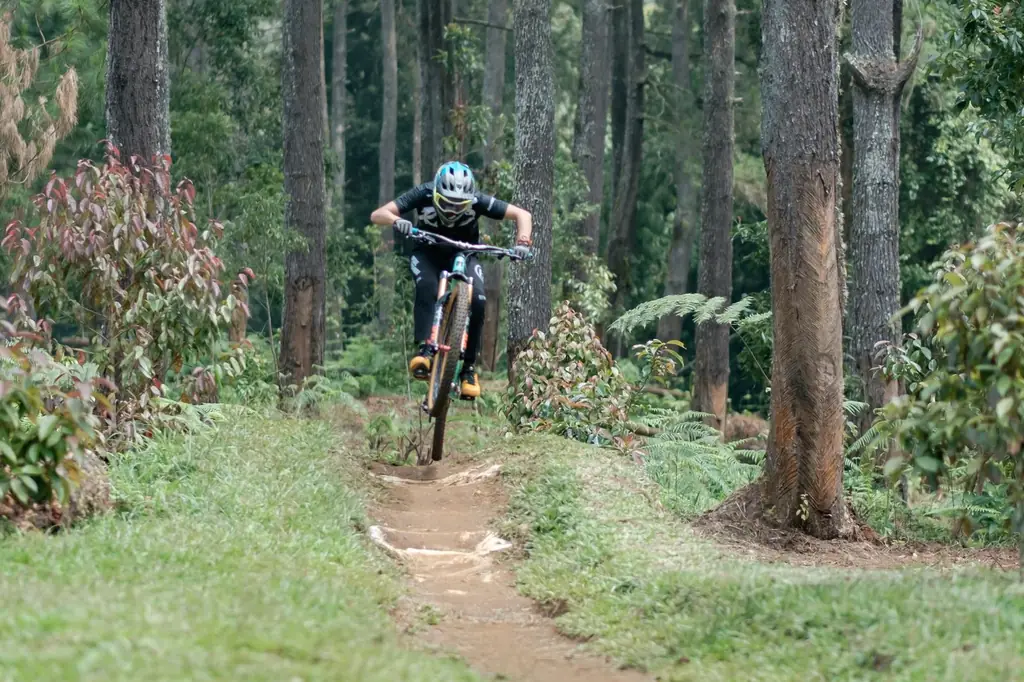
North Carolina gives you three states of riding in one. The western third climbs into the Blue Ridge and Great Smoky Mountains, where the Eastern Continental Divide tops out above 6,000 feet and the road tilts up for hours. The Piedmont in the middle is rolling hills, college towns, and the fastest-growing greenway network in the Southeast. The east flattens into coastal plain and runs out to the barrier islands of the Outer Banks, where the only climbs are the bridges. You can ride a 6,400-foot mountain pass and a dead-flat boardwalk over salt marsh in the same week.
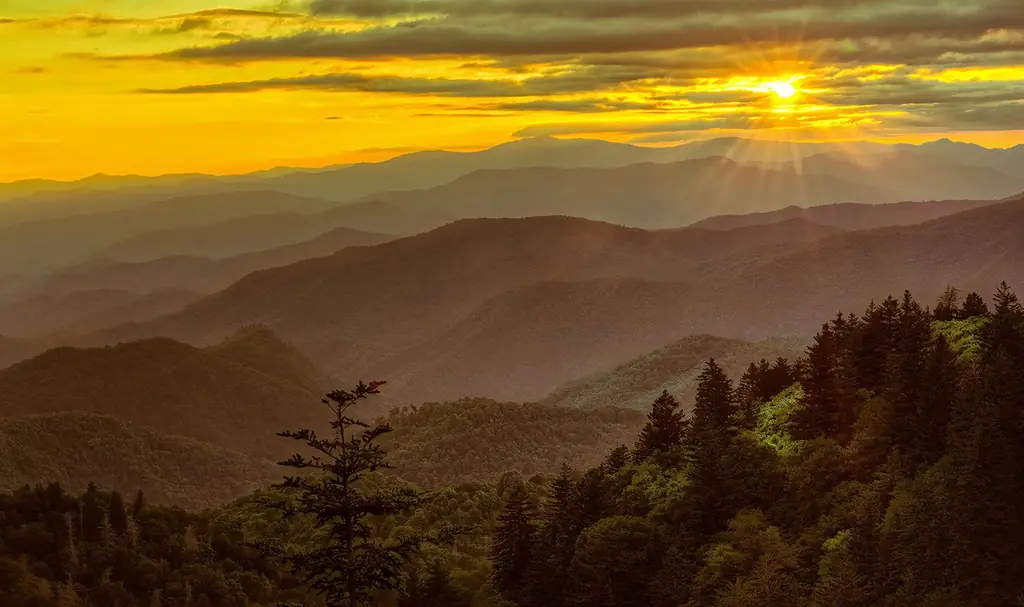
The signature road ride is the Blue Ridge Parkway, 469 miles of ridgeline pavement with no commercial traffic, no stoplights, and a 45 mph limit that keeps cars honest. The North Carolina section is the hard half: the climb from Asheville to the summit road of Mount Mitchell, the highest point east of the Mississippi at 6,684 feet, stacks roughly 8,000 feet of vertical into a 70-mile out-and-back. Grades stay civil, mostly 4 to 6 percent, but they never stop. This is bucket-list cycling, and on a clear fall day with the hardwoods turning, it earns the reputation.
The mountain bike scene around Brevard is the real draw, and it is world-class. Pisgah National Forest is raw, rooty, rocky backcountry, the kind of place where Black Mountain Trail drops 1,900 feet of technical descent after you earn it on a gravel climb. Twenty minutes away, DuPont State Recreational Forest serves up granite slickrock domes, waterfalls, and flowing intermediate loops that have stood in for Hollywood backdrops. Bent Creek, just south of Asheville, is the beginner-friendly counterpoint, 30 miles of approachable singletrack and forest road. Pisgah, DuPont, and Bent Creek inside an hour of each other is why riders fly in from across the country.
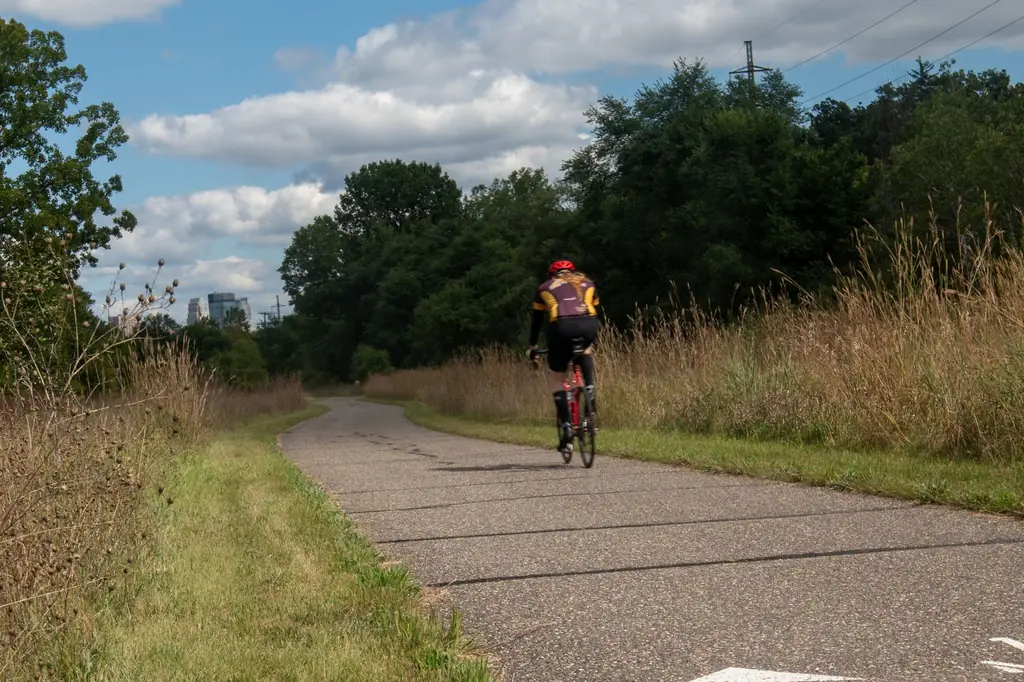 The Piedmont is where everyday riding lives, and the cities have been building hard. Raleigh's Capital Area Greenway is 28 connected trails totaling more than 100 miles of paved path, anchored by the Neuse River Greenway running 27.5 miles along the river through wetland boardwalk and farmland. The American Tobacco Trail carries you 22 miles on an old rail bed from downtown Durham toward Apex, half smooth pavement, half crushed stone, crossing a dedicated bike-and-pedestrian bridge over Interstate 40. Cary and Greensboro each run their own 100-plus-mile greenway systems, and Charlotte's Carolina Thread Trail is knitting 260 miles of open path across the region. Add the college-town road riding around Chapel Hill, Boone, and Davidson and the Triangle becomes a genuine year-round base. The terrain is rolling rather than flat, so even a greenway spin builds honest fitness.
Ride here with eyes open. The mountain roads are narrow with blind curves and tourist traffic that does not always expect a cyclist around the bend, and weekend Parkway descents demand respect. Summer brings real heat and Southern humidity, so the smart move is early starts and serious hydration from June through September. The coast adds hurricane season from roughly August into October, when storms can close the Outer Banks bridges and shred the barrier-island routes for days. And nothing here is flat except the coastal plain, so the Piedmont and mountains will tax legs that came from pancake country. Plan for the climbs and the weather, and North Carolina rewards you all year.
North Carolina E-bike Laws
North Carolina never bought into Class 1, 2, and 3. One 750-watt, 20-mph definition decides whether you are riding a bicycle or a moped.
North Carolina never adopted the three-class system. State law recognizes one category, the electric assisted bicycle: operable pedals, a motor of no more than 750 watts, and a top motor-only speed of no more than 20 mph. Stay inside those numbers and you are a bicycle, with no license, registration, or insurance. Cross either line and you are a moped.
North Carolina's only e-bike category: operable pedals, a motor of no more than 750 watts, and a motor-only top speed of no more than 20 mph (G.S. 20-4.01). Throttle or pedal assist makes no difference.
An out-of-state Class 1 or Class 2 e-bike fits North Carolina's definition cleanly, since both cap motor assistance at 20 mph and stay under 750 watts.
A 28 mph Class 3 e-bike exceeds the 20 mph ceiling, so North Carolina does not treat it as an electric assisted bicycle -- it becomes a moped, with registration, insurance, and a 16-and-over rule.
A compliant electric assisted bicycle is deemed a bicycle, not a motor vehicle (G.S. 20-4.01) -- no license for any rider.
No title, registration, or plates for an electric assisted bicycle; the DMV treats it as a bicycle.
North Carolina mandates no coverage for a compliant electric assisted bicycle -- theft and liability protection is on you.
State law sets no minimum age to operate a compliant electric assisted bicycle; a bike that crosses into moped territory requires the rider to be 16.
Riders and passengers under 16 wear a helmet on any bicycle, electric assisted bicycles included (G.S. 20-171.9); no statewide adult mandate.
Where You Can Ride
- Roads & bike lanesAn electric assisted bicycle carries the same rights and duties as a bicycle on streets, shoulders, and bike lanes (G.S. 20-4.01).
- Shared-use pathsAllowed where bicycles are allowed; municipal and county greenways may post their own speed limits or restrictions.
- SidewalksNo statewide rule -- cities decide, and many restrict it: Charlotte bans riding in Uptown, Chapel Hill caps it at 7 mph.
- State parksNC Division of Parks and Recreation allows electric assisted bicycles on designated bicycle trails; confirm each park, and note USFS land (Pisgah, Nantahala) and the Blue Ridge Parkway treat them as motorized.
- Out-of-class e-motosOver 750 watts or over 20 mph means a moped (16+, registration, insurance, helmet); over 30 mph or with external shifting it is a motorcycle.
Effective July 11, 2016 under North Carolina Session Law 2016-90. Statutes: N.C. Gen. Stat. 20-4.01, 20-171.9; N.C. Session Law 2016-90. Cities and park districts can add their own path and trail restrictions — check signage where you ride. Last reviewed June 2026.
North Carolina Cycling Weather
Spring and fall are prime in the Piedmont, with mild temperatures and long dry spells. Summer turns hot and humid, so early starts pay off from June through September.
Sunny days a year
Riding season
Mar - Nov
North Carolina Cycling Destinations
Blue Ridge Parkway to Mount Mitchell
This is the queen stage of Southeastern road cycling. From Asheville you climb the Blue Ridge Parkway northeast, trading traffic lights for ridgeline pavement and a 45 mph limit that keeps the cars in check. The road tilts up almost continuously toward the summit spur of Mount Mitchell, the highest peak east of the Mississippi at 6,684 feet, stacking roughly 8,000 feet of vertical across the 70-mile out-and-back. Grades sit mostly between 4 and 6 percent, civil enough to settle into a rhythm but long enough to break you if you go out hot. The payoff is a long descent home and views that stretch across three states. Pack layers, because the summit can run 20 degrees colder than the valley. This is a fitness-first ride, not a casual one.
Pisgah National Forest: Black Mountain Trail
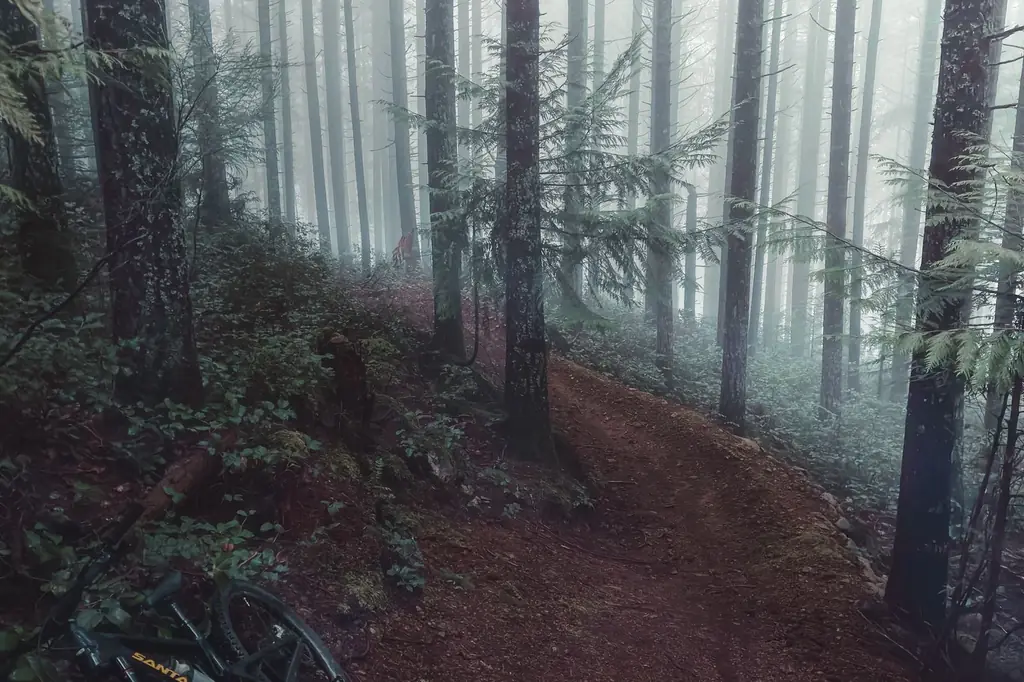
Black Mountain is the classic Pisgah ride, and Pisgah is where Southeastern mountain biking grew up. You earn the descent first, grinding up Clawhammer Road and connecting climbs before the trail itself drops more than 1,900 feet through rooty, rocky, technical backcountry. This is not flow-trail riding. Expect rock gardens, small drops, eroded chutes, and the kind of raw terrain that demands real skill and a bike with travel. Riders build the loop anywhere from 12 to 30 miles by stitching in connecting trails, so it scales to your appetite for punishment. Brevard sits minutes away with bike shops, breweries, and shuttle options. Bring a repair kit and ride within your limits, because help is a long way out.
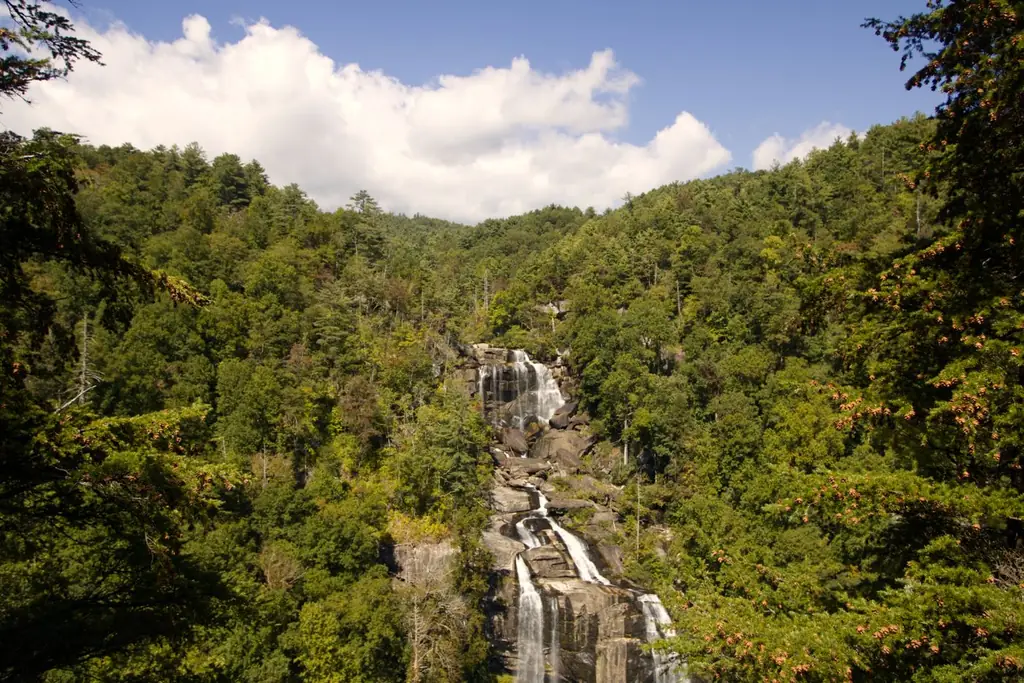
DuPont State Recreational Forest Loop
DuPont is Pisgah's friendlier neighbor, and the contrast is the whole point. Where Pisgah is raw and punishing, DuPont serves up granite slickrock domes, four waterfalls, and flowing intermediate singletrack you can actually link into a full day. The signature loop runs about 17 miles with roughly 1,900 feet of climbing, rolling past Cedar Rock's bald granite faces and the cascades that have stood in for Hollywood scenery. The riding rewards confident intermediates: fast, grippy, and rideable without the gnar of the deeper forest. Trails are well-signed and a GPX file makes navigation simple among the many junctions. Pack water and a camera, because the views off the granite domes are worth the stops. It is the best place in the region to build mountain skills without getting in over your head.
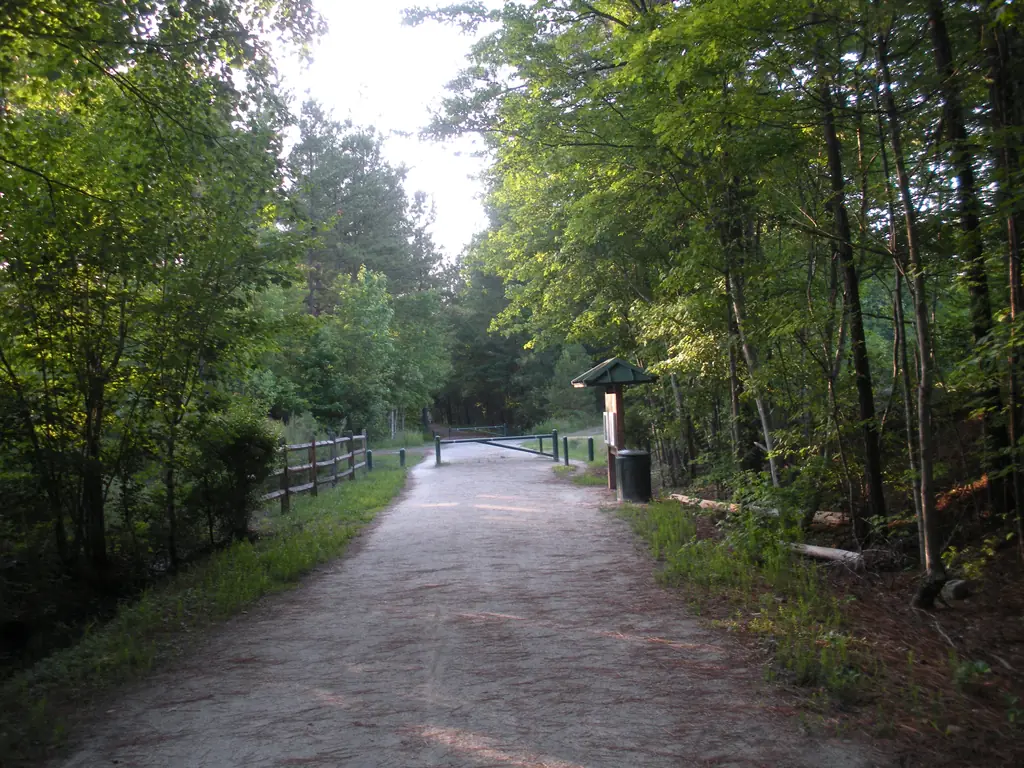
American Tobacco Trail
The American Tobacco Trail is the Triangle's signature rail trail, a 22-mile ribbon laid on an old American Tobacco Company rail bed through Durham, Chatham, and Wake counties. The northern 14-plus miles from downtown Durham are smooth pavement; the southern stretch toward Apex turns to crushed stone, so a gravel or hybrid bike handles the whole length best. The grade is gentle railroad-flat throughout, making it the friendliest big-mileage day in central North Carolina for families, commuters, and recovery spins. A highlight is the dedicated bicycle-and-pedestrian bridge soaring over Interstate 40, one of the longest of its kind in the state. The trail starts steps from the Durham Bulls ballpark, so you can cap a ride with a game. It is the connective tissue of Triangle cycling.
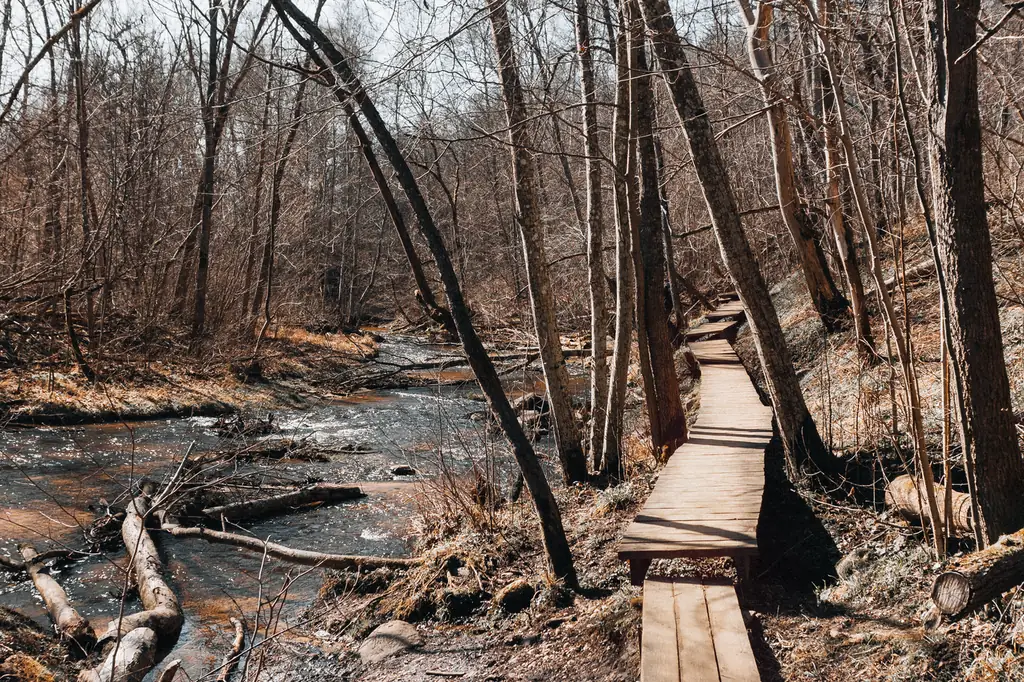
Neuse River Greenway Trail
The Neuse River Greenway is the crown jewel of Raleigh's 100-plus-mile Capital Area Greenway system. It runs 27.5 miles of fully paved, 10-foot-wide path along the Neuse River from Falls Lake Dam in the north to the Wake County line in the southeast. The route threads boardwalks over wetlands, suspension bridges, farmland, and forest, with interpretive signs and river views the whole way. Elevation is gentle at around 600 feet total, so it rides easy in either direction and connects seamlessly into the wider greenway network for longer days. It is car-free and family-friendly, a genuine escape inside a growing city. Summer humidity makes early starts smart, and shade along the river helps. This is the everyday ride that makes Raleigh a real cycling town.
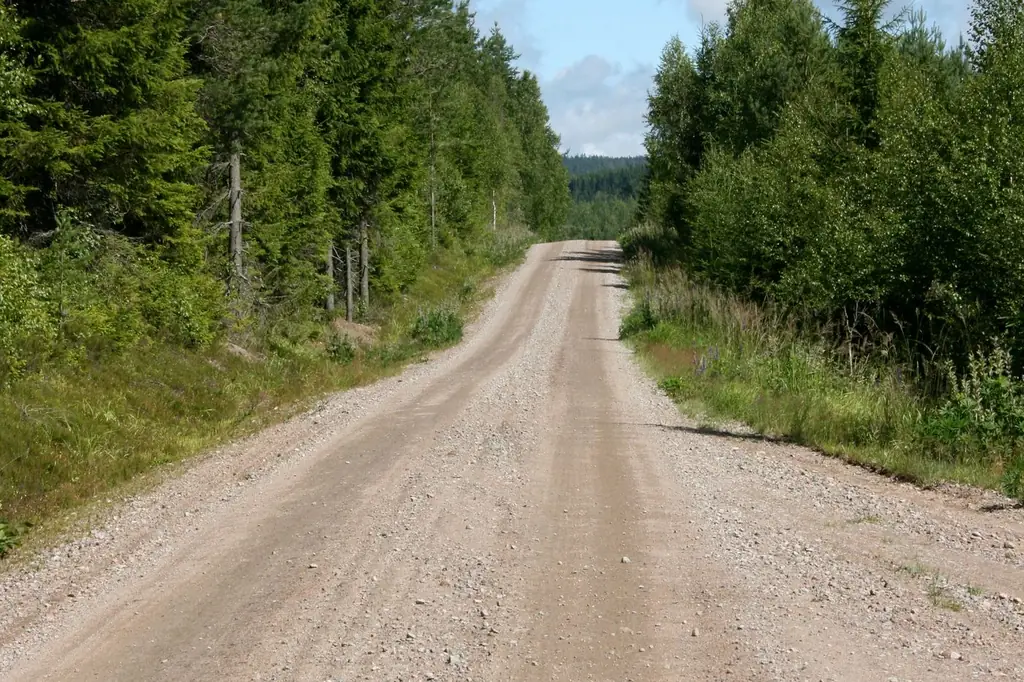
Bent Creek Experimental Forest Loop
Bent Creek is where Asheville learns to mountain bike, and locals never outgrow it. Just 20 minutes from downtown, it packs about 30 miles of singletrack and far more gravel forest road into a compact, well-connected network. The Intro to Bent Creek loop runs roughly 11 miles with about 1,400 feet of climbing, a fair sampler of the rolling, grippy, mostly approachable terrain. Beginners can spin easy figure-eights on the lower trails while stronger riders chase the climbs up toward Wolf Branch and Little Hickory Top. The trail system is dense, so a map or GPS app keeps you oriented among the many junctions. It is the perfect warm-up before tackling Pisgah or DuPont, or a full ride in its own right. Few cities have terrain this good this close to the brewery district.
North Carolina Cycling Events
From Cycle North Carolina's cross-state tour to the brutal Hot Doggett 100 and the Pisgah gravel scene, the Tar Heel State offers supported riding from the mountains to the coast.
Cycle North Carolina: Mountains to Coast
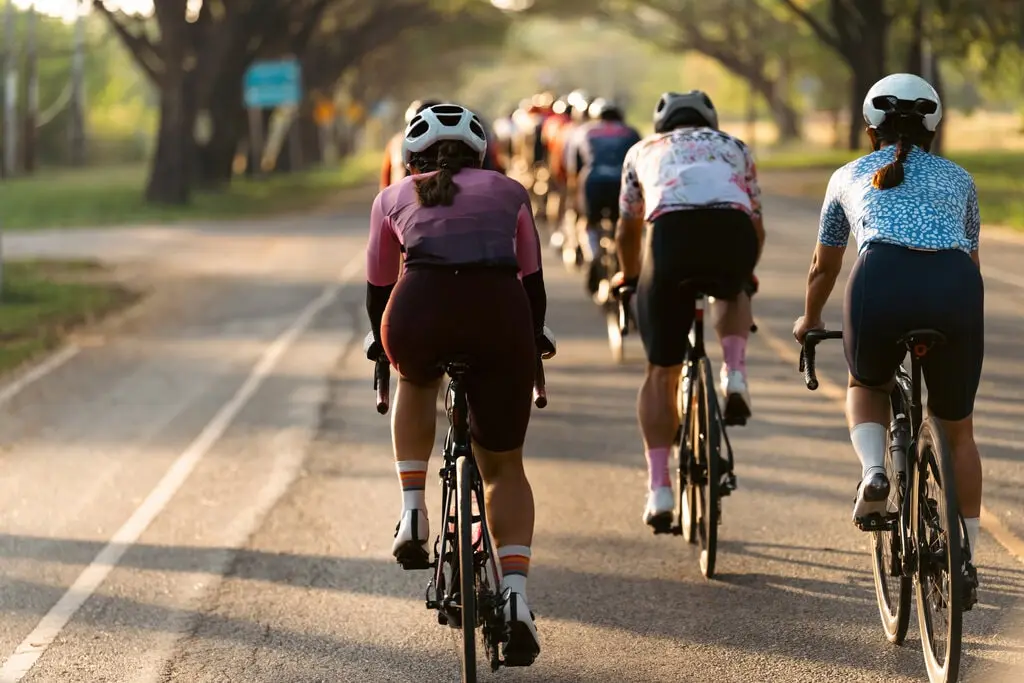
Cycle North Carolina's Mountains to Coast ride is the state's marquee bicycle tour, a fully supported cross-state trek that draws about 950 riders from more than 40 states every October. The 2026 edition runs October 4-10, rolling out of Mount Airy and finishing seven days later on Hatteras Island, averaging 60 miles a day with overnight stops in Eden, Hillsborough, Henderson, Weldon, Edenton, and Manteo. North Carolina Amateur Sports has produced the ride for 27 years, packing in camping, meals, sag support, and entertainment at each host town. The route changes annually, so the climbs and scenery shift from Blue Ridge foothills to coastal flats depending on the year. This is a tour, not a race: ride your own pace, soak up the small towns, and let the support crew handle logistics. Register early, since spots are capped and fill fast.
Event website
Hot Doggett 100
The Hot Doggett 100 is one of the toughest centuries in the Southern Appalachians, with over 10,000 feet of climbing packed into its signature 100-mile Doggett Mountain Challenge. The 20th annual ride rolls out of Mars Hill on Saturday, July 11, 2026, sending cyclists through the curling backroads of Madison County north of Asheville. Three courses cover every appetite: the full 100-mile Doggett Mountain Challenge, the 100-kilometer Devils Fork Metric, and the 50-kilometer Big Laurel Grind. Expect long sustained climbs, fast descents, and Madison County heat that earns the ride its name. Aid stations, sag support, and a post-ride spread keep riders fueled across the longer loops. This is a climber's ride, so bring your gearing and your patience for the grades.
Event website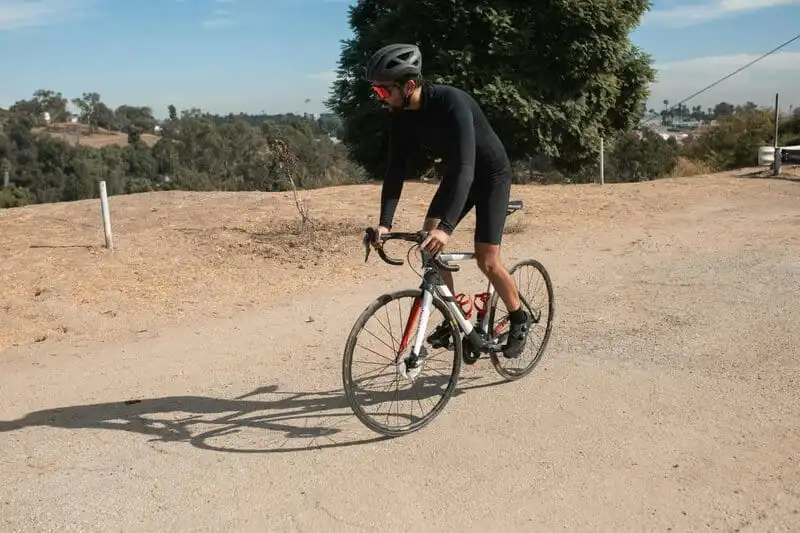
Pisgah Monster-Cross Challenge
The Pisgah Monster-Cross Challenge is a 69.2-mile gravel and pavement beast with 8,777 feet of climbing through the Pisgah National Forest. The 2026 edition runs Saturday, September 12, starting in a field across US 276 from the Davidson River Campground near Brevard. Pisgah Productions has run the event since 2012, and it remains a fixture on the Southeast gravel calendar. Riders tackle a mix of forest service gravel and paved climbs, with the long course rewarding patience and tire choice over raw speed. The course rolls through some of the most scenic backcountry in Western North Carolina, but the elevation makes it a genuine endurance test. Bring a setup that can handle rough gravel and a full day in the saddle.
Event website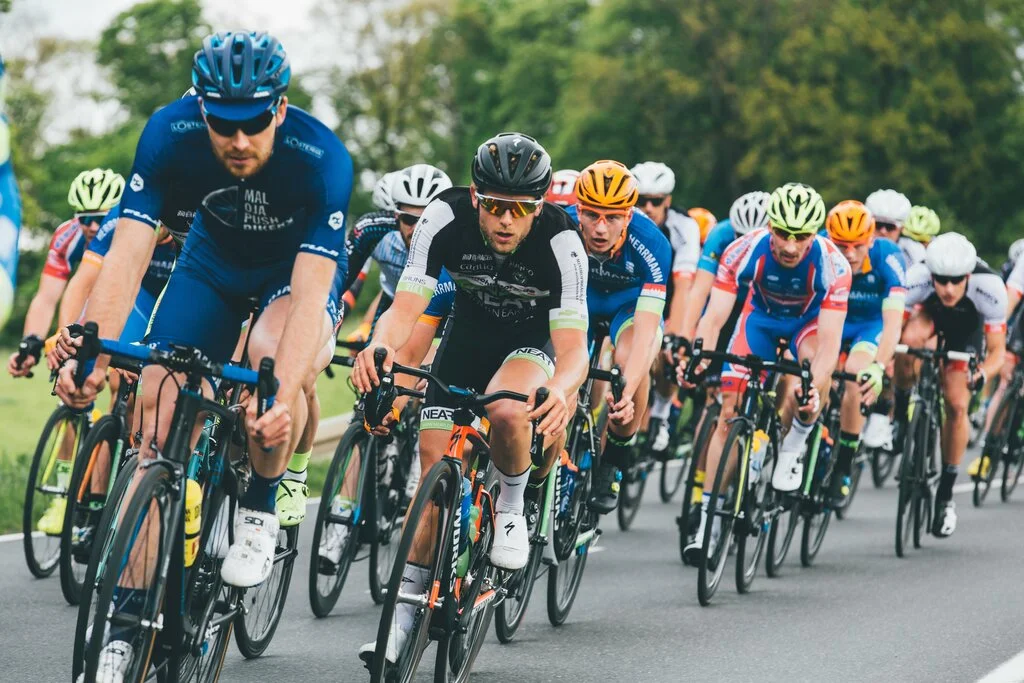
Bike MS: Tour to Tanglewood
Bike MS: Tour to Tanglewood is North Carolina's largest charity cycling ride, a two-day fundraiser for the National MS Society that marked its 40th anniversary in 2025. Based at Tanglewood Park in Clemmons, the event offers everything from a 5-mile family loop inside the park to a full 100 miles through the Yadkin River Valley across Saturday and Sunday. Thousands of riders turn out, backed by rest stops, mechanical support, and a finish-line celebration. Routes start early from the park and roll through the rolling farmland and small towns of the Piedmont Triad. Every mile raises money to fund multiple sclerosis research and support programs. Pick your distance, set a fundraising goal, and ride for a cause.
Event website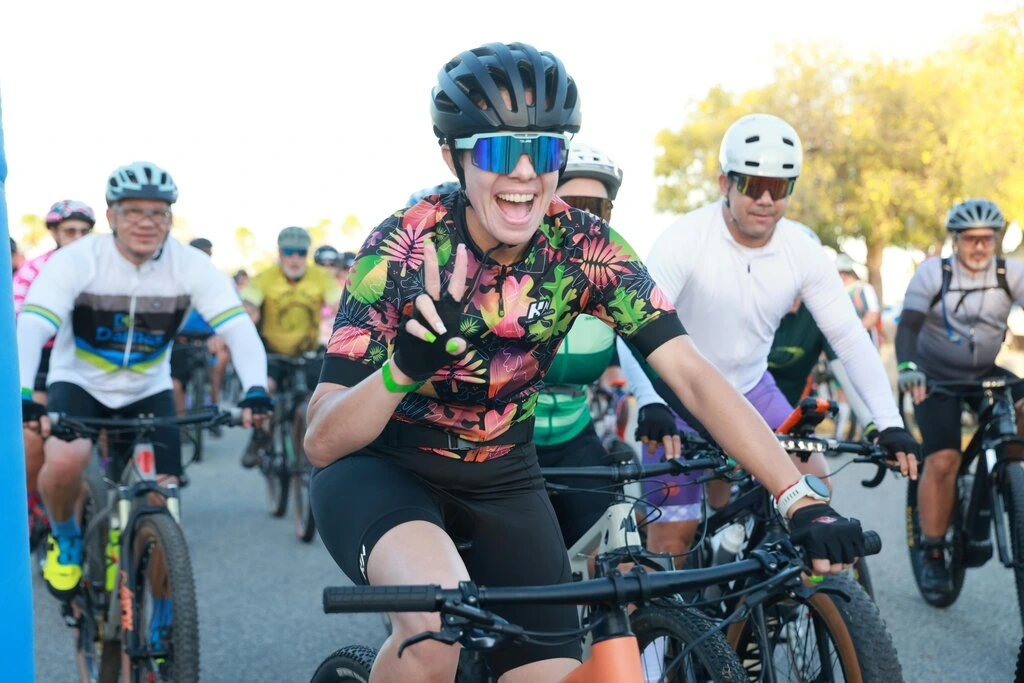
Tour de Cure: North Carolina
Tour de Cure: North Carolina is the American Diabetes Association's flagship cycling fundraiser in the state, with 15, 25, 50, and 100-mile routes for every level of rider. The 2025 ride rolled out of Bicentennial Park in Raleigh on a Saturday in mid-May, and the event returns each spring across the Piedmont. Riders pay a modest $10 registration plus a $250 fundraising minimum, and every dollar funds diabetes research and advocacy. Rest stops, sag support, and a finish-line celebration keep the day rolling for century riders and families alike. The shorter loops welcome newcomers while the 100-mile route gives strong cyclists a real day out. Sign up, fundraise, and ride in the fight to end diabetes.
Event website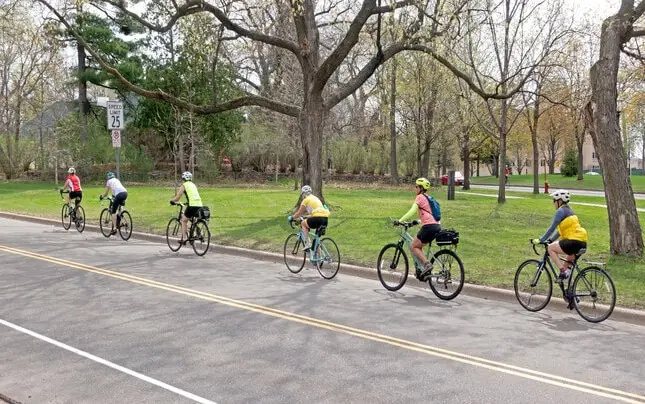
Cycle North Carolina: Coastal Ride
The Cycle North Carolina Coastal Ride is a three-day, fully supported tour based in Oriental, the self-styled sailing capital of North Carolina. The 2026 edition runs April 24-26, with daily loop options ranging from 15 to 100 miles across the flat, water-laced terrain of the Inner Banks. North Carolina Amateur Sports has hosted the event in Oriental six times now, pairing easy coastal riding with camping, meals, and full sag support. The flat profile makes it one of the most accessible multi-day tours in the state, friendly to first-time tourers and century riders alike. Spend three days spinning past creeks, marshes, and small Pamlico County towns at your own pace. It is the gentler companion to the cross-state Mountains to Coast ride.
Event websiteNorth Carolina E-bike Law and Insurance FAQ
- What are the e-bike laws in North Carolina?
- North Carolina runs a single e-bike category under North Carolina Session Law 2016-90, effective July 11, 2016, not the three-class system. An electric assisted bicycle has operable pedals, a motor of no more than 750 watts, and a motor-only top speed of no more than 20 mph, and it is deemed a bicycle: no license, no registration, no insurance. Cross either limit and the bike becomes a moped.
- Do Class 1, Class 2, and Class 3 e-bikes need insurance in North Carolina?
- Insurance is optional for a compliant e-bike in North Carolina, which uses one category instead of classes. A Class 1 (pedal assist to 20 mph) or Class 2 (throttle to 20 mph) fits the definition cleanly, since both stay under 750 watts, and needs no coverage. A Class 3, pedal assist to 28 mph, exceeds the 20 mph ceiling and is treated as a moped, which does require registration and insurance. A standalone Velosurance policy starts around $9 per month.
- What does bicycle and e-bike insurance cover in North Carolina?
- A standalone Velosurance policy covers theft, accidental and crash damage, and damage in transit, with optional liability and medical payments coverage. North Carolina mandates no coverage for a compliant electric assisted bicycle, so theft and liability protection is entirely on you. Policies start around $9 per month, which buys real protection for a bike the state leaves uninsured.
- Where can you ride an e-bike in North Carolina?
- An electric assisted bicycle rides wherever a bicycle does: streets, shoulders, bike lanes, and shared-use paths, with the same rights and duties under G.S. 20-4.01. Sidewalks are local control, and many cities restrict them: Charlotte bans riding in Uptown, and Chapel Hill caps it at 7 mph. State parks allow e-bikes on designated bicycle trails, while USFS land like Pisgah and Nantahala and the Blue Ridge Parkway treat them as motorized.
North Carolina e-bike laws explained: classes, age limits, and what changes next.
Keep Riding: Nearby States
Cross a border and the trails, the weather, and the e-bike laws all change. See how North Carolina's neighbors compare.

Why Velosurance is best for your bicycle
Not all types of insurance are created equal. Velosurance levels the playing field by offering stand-alone bicycle coverage, where claims won't affect your homeowner's or renter's policy premiums.
| Policy Coverage |  | Homeowner/Renters Policy |
|---|---|---|
| Insured at Full Value | Yes | Possibly |
| Crash Damage | Yes | No |
| Theft Coverage | Yes | Limited |
| Theft by Force | Yes | No |
| Theft of Accessories | Yes | Limited |
| Theft Away From Home | Yes | Possibly |
| Uninsured Motorist | Yes | No |
| Personal Liability | Yes | Possibly |
| Permissive Use Policy | Yes | No |
| Replacement Rental | Yes | No |
| Event Fee Return | Yes | No |
| Cycling Apparel Coverage | Yes | No |
| Medical Payments | Yes | Possibly |
| Racing Coverage | Yes | No |
| E-bikes | Yes | No |
| Coverage in-transit | Yes | No |
| USAC, USAT and IMBA Member Discount | Yes | No |
| FREE INSTANT QUOTE |
Not all insurance policies provide the same level of protection, and many people only discover gaps in their coverage after filing a claim. We’ve done the hard work of reviewing the fine print. To see how plans compare, check out our insurance comparison.
Client satisfaction is our #1 goal. Here's what our clients say about Velosurance


Velosurance really stepped up and put me at ease. The claim was fast and easy. I am insuring all my bikes now.

Check out Velosurance reviews to see what people are saying about us.
North Carolina's best bicycle and e-bike insurance
No matter where your adventures take you, protect your bicycle and yourself from the unexpected with America's best bike insurance.