


Alaska cycling in numbers
34%
Bike ownership
13,500+
Miles of trails
156
State parks
55
Bike friendliness score
Alaska from a cyclist's perspective
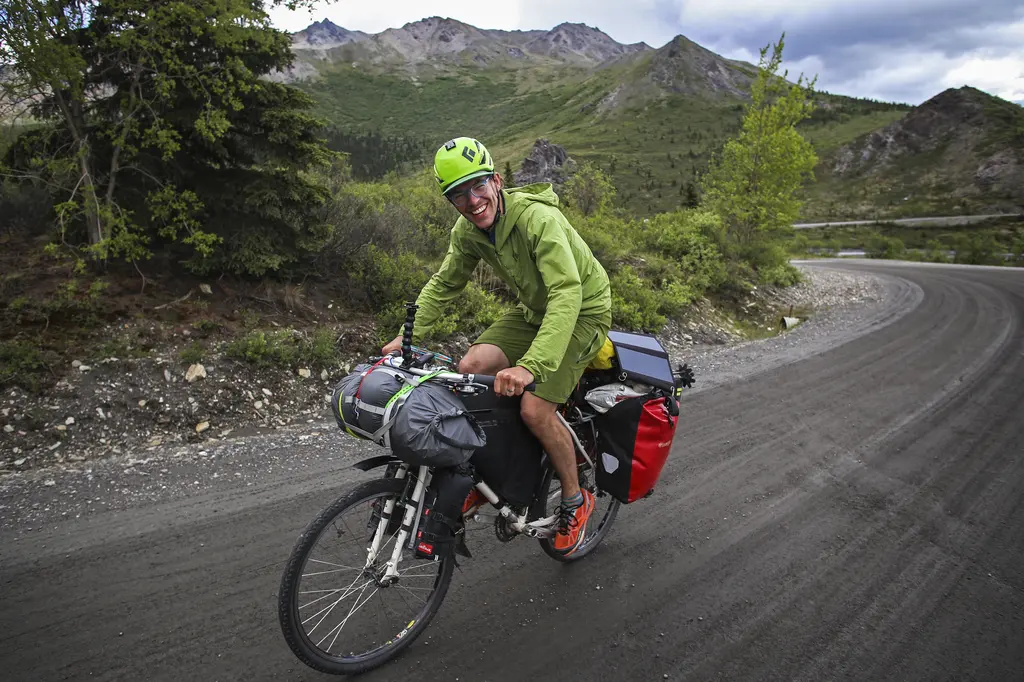
Alaska is the biggest place you can ride a bicycle in America, and it rides like it. The state's trails inventory maps more than 13,500 miles of routes, the state park system is the largest in the country at roughly 3 million acres, and in June the sun barely bothers to set: Anchorage gets about 19 hours of daylight at the solstice, and an 11 p.m. ride is a perfectly normal ride. About a third of Alaskans got on a bike in the past year, which starts to make sense once you see what they get to point the front wheel at.
Anchorage is the surprise. The state's biggest city carries more than 120 miles of paved multi-use trails, anchored by the Tony Knowles Coastal Trail, 11 paved miles from downtown along Cook Inlet to the singletrack stash at Kincaid Park. Link the Coastal, Chester Creek, and Campbell Creek greenbelts and you get a 32-mile urban circuit locals call the Moose Loop, a name earned honestly: stopping to wait out a moose is a routine part of an Anchorage ride. The city is trending up, too. Protected downtown bike lanes pushed Anchorage's PeopleForBikes score to 72 in 2026, and the city was recognized nationally as a Trail Town in April 2026.
Out of town, the rides get legendary. The Kenai Peninsula holds the Bird to Gird pathway along Turnagain Arm, where beluga whales surface within sight of the bike lane, and Resurrection Pass, 39 miles of high-alpine singletrack that many consider the finest backcountry mountain bike route in the state. North of Anchorage, cyclists ride the Denali Park Road past the point where private cars must stop, sharing a gravel road through grizzly country with nothing but park buses. Gravel riders get the Denali Highway: 135 mostly unpaved miles across the Alaska Range foothills, cresting the second-highest road pass in the state.
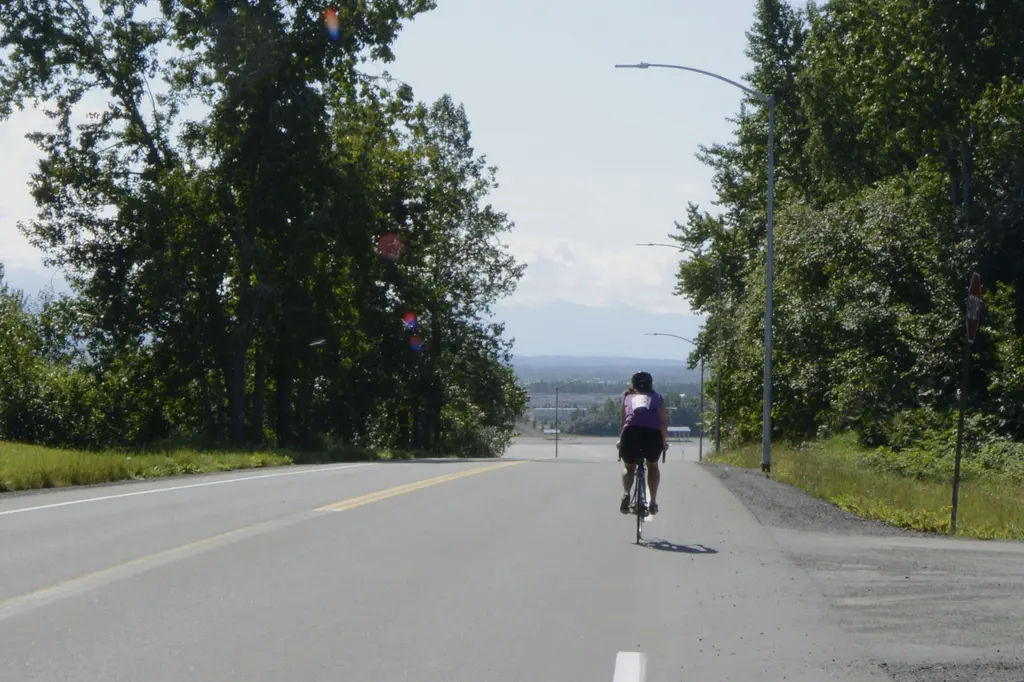 Winter is not the off-season here. It is the second season. Alaska invented the fat bike, and the state's own outdoor recreation plan calls fat-tire biking "Alaska's latest invention" that swept the state and then the country. When the pavement disappears in October, Anchorage riders swap to studded tires and four-inch rubber and keep going: the Frosty Bottom crosses the city's trail network every January, the Susitna 100 has sent riders across frozen rivers north of town every February since 1997, and the Fur Rondy Big Fat Ride turns downtown into a rolling winter festival. Nowhere else in America is a January bike race a civic tradition.
The honest caveats are real. The paved riding season runs roughly May through September, highway shoulders are thin or absent outside the cities, services can be 50 miles apart, and summer RV traffic on the Seward and Parks highways demands attention. Bears and moose are trail users, not trivia. The League of American Bicyclists ranks Alaska 34th among states for bike-friendly policy, and residents have told state surveyors exactly why. But for a rider who wants scale, wildlife, and daylight that refuses to quit, no other state comes close.
Alaska E-bike Laws
No statewide law, a vetoed bill, and a patchwork of park and city rules. Here is where Alaska actually stands on e-bikes.
Alaska is the rare state with no e-bike law at all. Alaska HB 8 passed the legislature nearly unanimously in 2023 and was vetoed that July, so classification lives with land managers and cities instead: Alaska State Parks adopted the three classes in 2022, Anchorage followed in 2024, and the DMV asks nothing of e-bike riders.
The motor assists only while pedaling and cuts off at 20 mph. In state parks, Class 1 is capped at under 500 watts and is the only class allowed on bicycle trails; Anchorage uses the standard 750-watt cap.
The motor may propel the bike on throttle alone up to 20 mph. Recognized by Anchorage and by state park rules, which keep it on park roads and OHV trails rather than bicycle trails.
Pedal assist up to 28 mph under Anchorage AO 2024-51(S) and the state parks regulation; the vetoed statewide bill used the same definition.
No statewide e-bike framework exists, and the Alaska DMV publishes no license requirement for e-bike riders.
Alaska offers no registration pathway for e-bikes: no plate, no title, no DMV visit.
No Alaska law mandates liability coverage for any e-bike — protection is on you.
Alaska sets no minimum age for e-bike riders; land managers and cities make their own rules.
Alaska has no statewide bicycle helmet law; Anchorage requires helmets under 16, and Juneau, Sitka, and Bethel under 18.
Where You Can Ride
- Roads & bike lanesE-bikes ride Alaska roads as bicycles in practice; no statute or DMV rule says otherwise.
- Shared-use pathsAnchorage AO 2024-51(S) lets all three classes (750 watts max, with functional pedals) use multi-use trails and greenbelt paths.
- SidewalksAnchorage allows e-bikes on most sidewalks, though downtown sidewalks stay off-limits to all bikes; other cities set their own rules.
- State parksAny class may ride park roads and OHV trails; only Class 1 (under 500 watts in parks rules) may use bicycle trails unless posted closed (11 AAC 12.115).
- National parksDenali allows e-bikes under 750 watts on the park road and anywhere traditional bikes go; throttle-only riding is banned where motor vehicles are.
- Out-of-class e-motosOver 750 watts or no operable pedals means motor-driven cycle treatment in Anchorage: roadway only, with license rules to match.
Effective May 5, 2022 (state parks) and July 30, 2024 (Anchorage) under 11 AAC 12 and Anchorage AO 2024-51(S); Alaska has no statewide e-bike statute (Alaska HB 8 was vetoed on July 20, 2023). Statutes: AS 28.90.990 (no e-bike definition); 11 AAC 12.115, 11 AAC 12.990; Anchorage AMC 9.04.010, 9.38.020, 25.10.010. Cities and park districts can add their own path and trail restrictions — check signage where you ride. Last reviewed July 2026.
Alaska Cycling Weather
The riding season is short and glorious: May through September brings mild temperatures and up to 19 hours of daylight, then the fat bikes take over.
Sunny days a year
Riding season
May - Sep
Alaska Cycling Destinations
Tony Knowles Coastal Trail
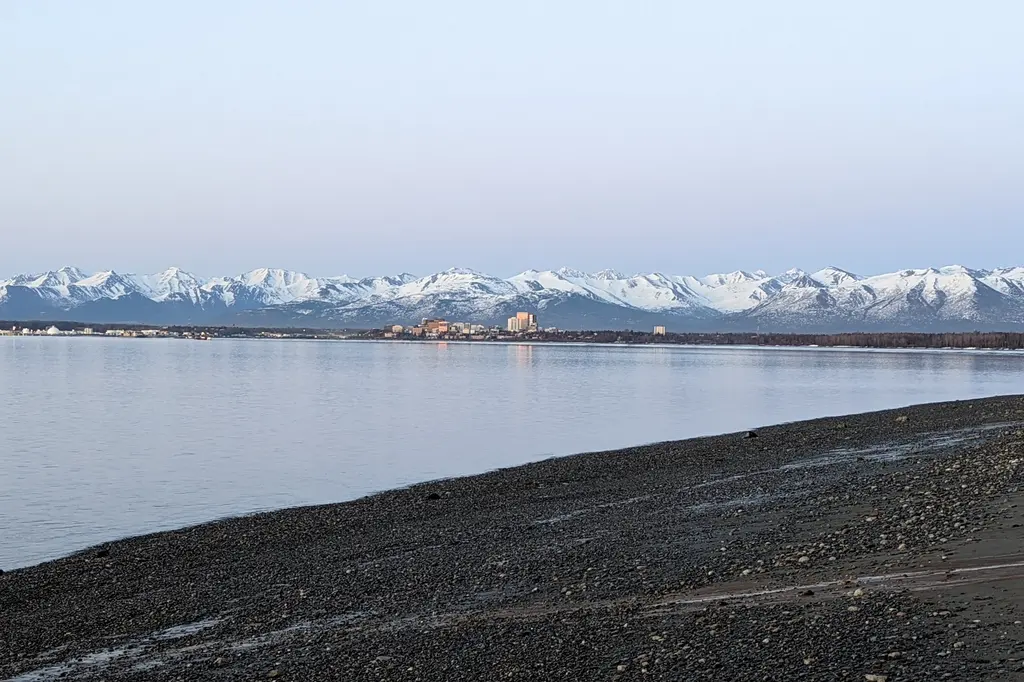
Anchorage's signature ride starts at the end of 2nd Avenue downtown and runs 11 paved miles along Cook Inlet to Kincaid Park. On a clear day the horizon stacks up Denali, Mount Susitna, and Fire Island; on any day the tide flats and glacial-pebble beaches make the city feel very far away. The route rolls past Earthquake Park, where the magnitude-9.2 quake of 1964 dropped an entire neighborhood into the inlet, then climbs gently around Point Woronzof before a stiffer pull into Kincaid. Moose are regular company on the stretch past the airport, and stopping to let one clear the trail is simply part of the ride. Rental bikes are available downtown, and when the snow arrives the same corridor becomes one of the country's great urban fat-bike rides.
Denali Park Road
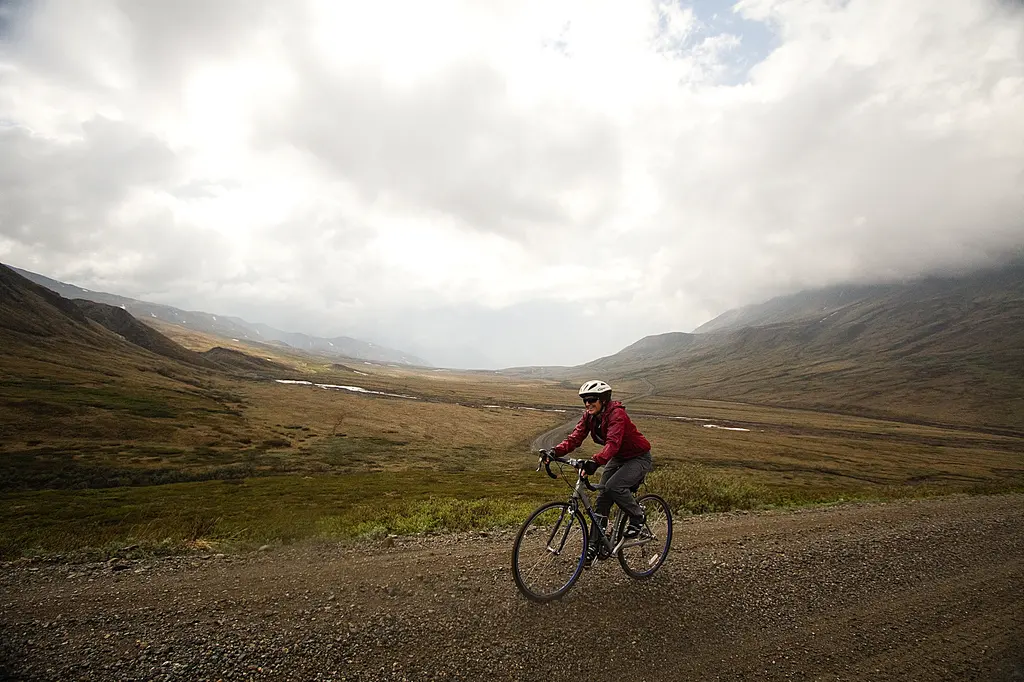
Private vehicles must stop at Savage River, mile 15, which is exactly where the Denali Park Road gets good for cyclists: beyond the checkpoint, the graded gravel belongs to bikes and park buses alone, and bikes need no reservation at all. The climb over Sable Pass gains about 1,600 feet over 13 miles at a forgiving grade, topping out near 3,900 feet with the Alaska Range filling the view. Transit buses carry two bikes each, so the classic play is to ride deep into the park and bus back, and a string of campgrounds with bear-resistant food storage makes it an approachable first bikepacking trip. Grizzlies, caribou, and Dall sheep all use the same corridor. As of the 2026 season the road is closed at mile 43 by the Pretty Rocks landslide, with the new bridge targeted to open in midsummer 2026, so check NPS current conditions before you ride.
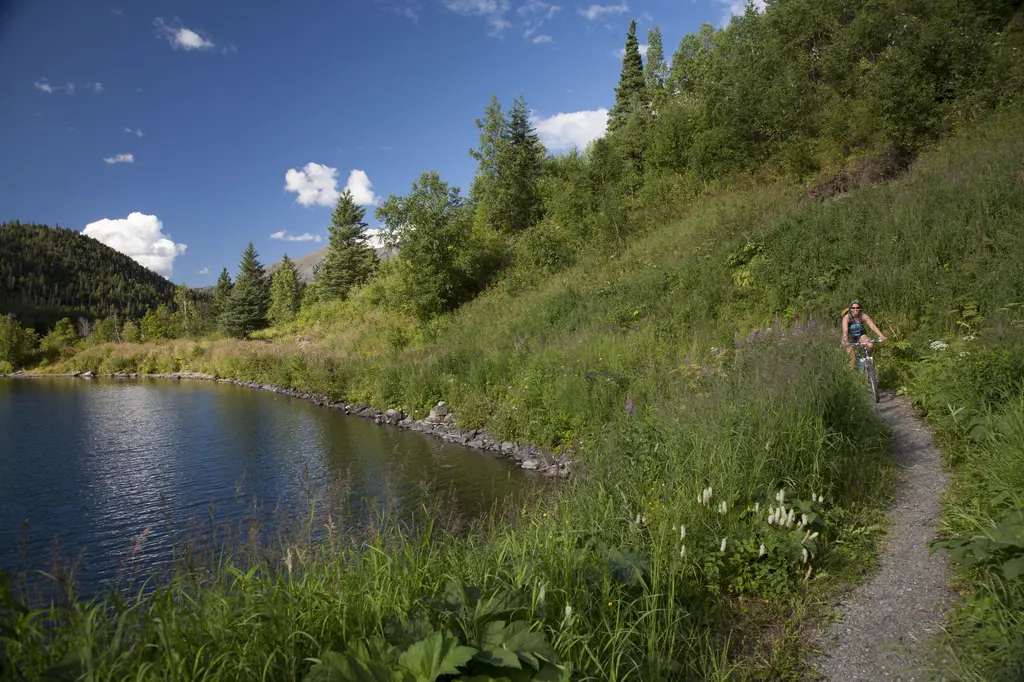
Resurrection Pass Trail
Alaska's marquee backcountry mountain bike ride runs 39 miles through Chugach National Forest between the gold-rush town of Hope and Cooper Landing on the Kenai Peninsula. The trail crests at 2,627 feet, well above treeline, yet the average grade is a mellow 3 percent and the tread stays mostly smooth, which is why strong riders knock it out in a single long day while others string together Forest Service public-use cabins and lakeside tent sites into an overnight. Riding south to north earns a roughly 20-mile gradual descent into Hope, and the Devil's Pass Trail offers a mid-route bailout if the weather turns. This is brown bear country, snow lingers on the high sections into early summer, and the prime window runs late June through September.
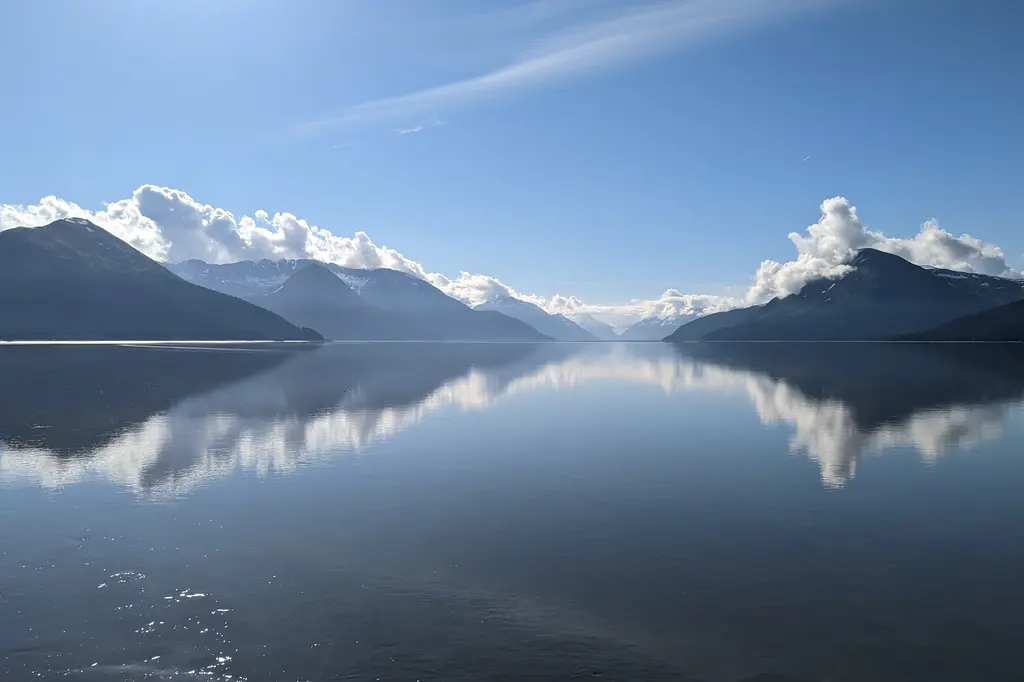
Bird to Gird Pathway
This paved National Recreation Trail hugs Turnagain Arm along the Seward Scenic Byway, linking the communities of Indian, Bird, and Girdwood on a route that partly follows the old railroad grade. The wildlife bingo card is unmatched for a paved path: beluga whales surfacing in the Arm, Dall sheep on the cliffs above the highway, bald eagles, moose, and the Turnagain Arm bore tide rolling past Bird Point. Most of the pathway is gentle, but the section east of Bird Point climbs and descends several hundred feet with grades over 6 percent, enough to surprise riders on rental cruisers. Girdwood makes the natural base, with bike rentals in town and covered picnic shelters spaced along the route for weather that changes its mind.
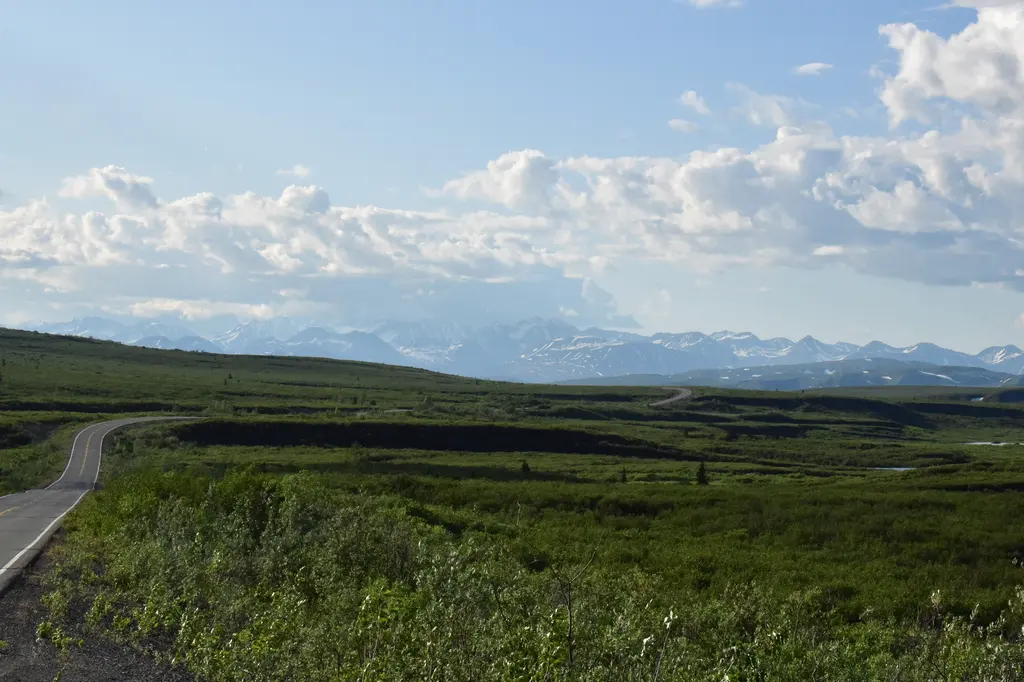
Denali Highway
The Denali Highway is 135 miles of high, remote road between Paxson and Cantwell, and only about 24 of those miles are paved. The rest is gravel, often washboarded, winding through the Amphitheater Mountains and over Maclaren Summit at 4,086 feet, the second-highest road pass in Alaska, with the Alaska Range and Maclaren Glacier holding the horizon for hours at a time. Most of the route crosses BLM land, so riders can legally camp almost anywhere, with two established campgrounds and a handful of roadhouse lodges filling in the gaps between meals and beds. Traffic is light but dusty, the weather swings hard at 4,000 feet even in July, and this is caribou, moose, and grizzly country, so carry bear-safe food storage. The road is unmaintained outside roughly late May through September.
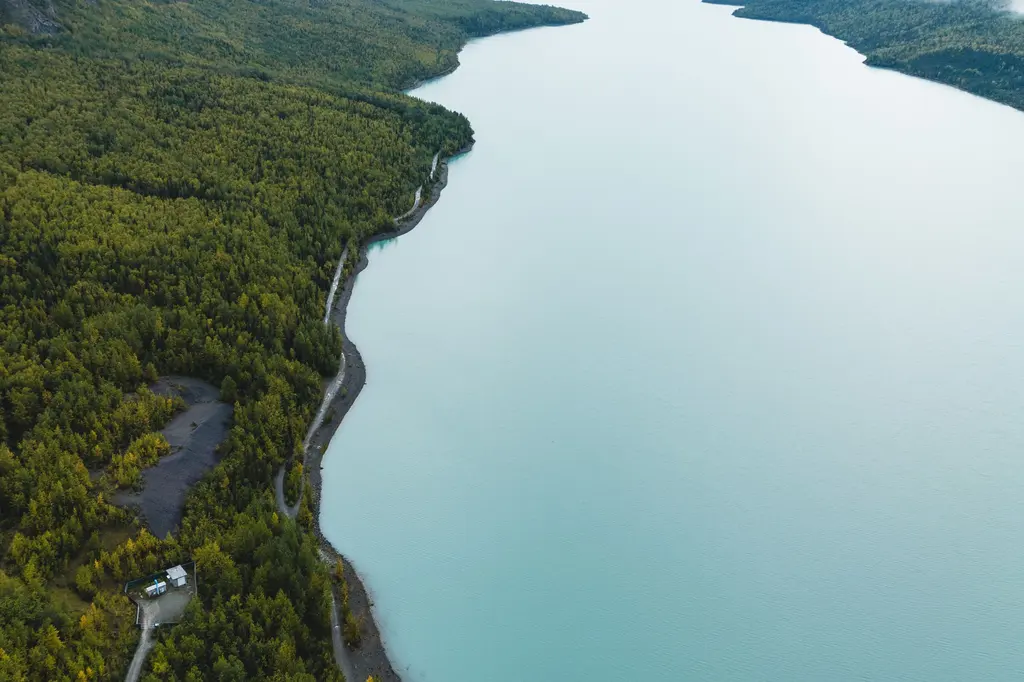
Eklutna Lakeside Trail
Forty minutes from Anchorage in Chugach State Park, the Eklutna Lakeside Trail is the friendliest big-scenery ride in Southcentral Alaska: 13 miles of nearly flat gravel doubletrack that hugs the turquoise, glacier-fed Eklutna Lake for seven miles, then follows the river valley across gravel bars toward a turnaround with Eklutna Glacier in view. The old roadbed drains well, holds a 15 mph speed limit, and asks little of fitness while delivering canyon walls, waterfalls, and Chugach peaks rising straight out of the water. Dall sheep and mountain goats work the slopes above, and bears use the trail itself, so carry spray. ATVs share the route Sunday through Wednesday, which makes Thursday through Saturday the quiet days, and lakeside campgrounds plus two public-use cabins turn it into an easy first bikepacking overnight.
Alaska Cycling Events
From a 400-mile road ultra to fat-bike races in January, Alaska's event calendar does not stop when the snow flies.
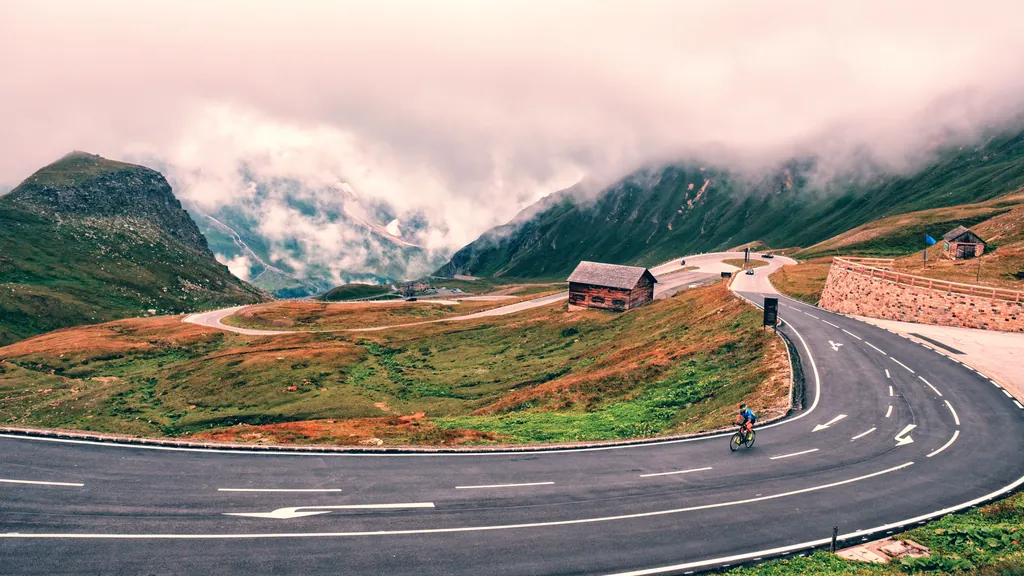
The Fireweed
The Fireweed is Alaska's flagship road ultra: 200 miles from Sheep Mountain Lodge on the Glenn Highway to the port town of Valdez, or 400 miles out-and-back for the truly committed, raced solo or as a relay. The course climbs past Eureka Summit and over Thompson Pass before dropping to the sea, and it is ridden self-supported, with support vehicles allowed to help only at designated pull-outs. The field is capped at 750 riders and the 2026 edition sold out in every category. The race is run by a nonprofit, and part of every entry funds Alaska youth cycling programs, which gives the suffering a purpose beyond the finish line.
Event website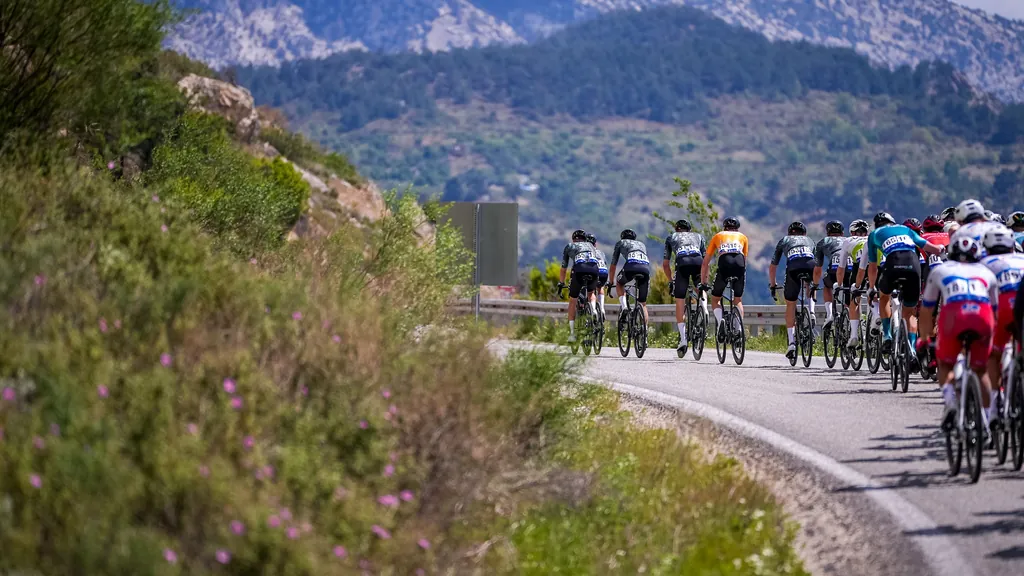
Kluane Chilkat International Bike Relay
One of the only bike races in North America with a border crossing mid-course, the Kluane Chilkat runs 148 miles from Haines Junction in the Yukon to Haines, Alaska, ridden solo or in teams of two, four, or eight. The 2026 edition was the 30th running, with nearly 300 teams and a record 73 solo entrants on the road. It is timed to the Saturday nearest the summer solstice, so daylight is effectively unlimited, and the finish rolls straight into one of Haines' biggest weekends of the year, complete with a salmon barbecue and the Southeast Alaska State Fair. The field caps at 1,200 riders and fills fast.
Event website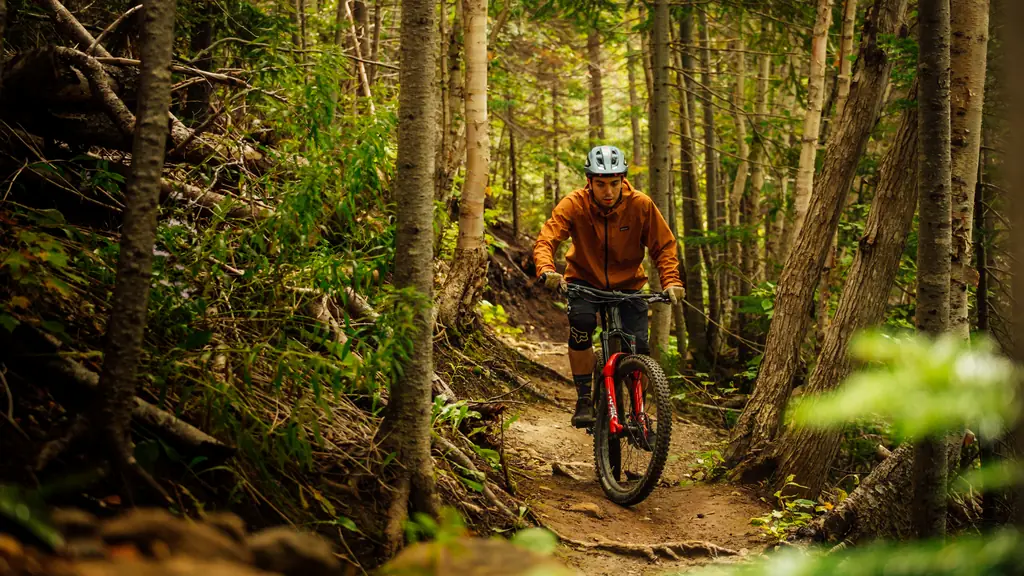
Soggy Bottom 100
Southcentral Alaska's endurance mountain bike championship starts on Main Street in the gold-rush town of Hope, runs the full length of the Resurrection Pass Trail to Cooper Landing, then comes back over Devil's Pass: more than 100 backcountry miles and about 10,000 feet of climbing, nearly all of it singletrack through Chugach National Forest. The race is self-supported between volunteer-staffed checkpoints, which keeps the field honest and the finish-line stories long. Organized by the Alaska Endurance Association, it has run every year but one since the mid-2000s, and the finish party in Hope serves burgers and brew until the last rider crosses.
Event website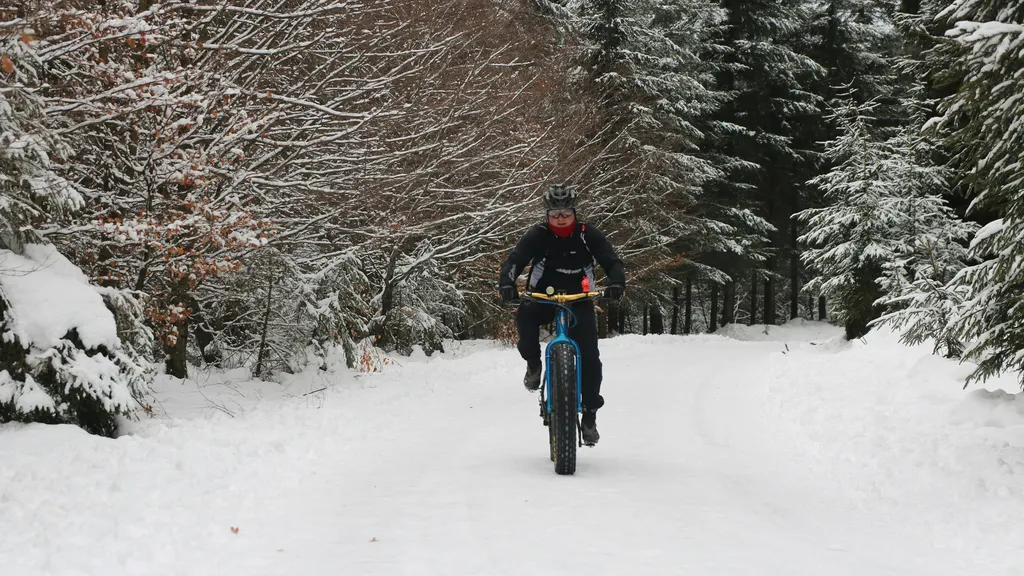
Frosty Bottom
Anchorage's cross-town winter classic is a fat-bike race run entirely on the city's multi-use trail network, which says everything about how seriously this town takes its trails. From Kincaid Chalet the course follows the Coastal Trail past Point Woronzof, threads the Chester Creek greenbelt to Goose Lake, and, on the 43-mile long course, continues to the Hillside before turning for home. Results on the organizer's site go back to at least 2008, making it a fixture of the Anchorage winter. It is presented by a local bike shop, the first 100 entries get a race beanie, and the whole event doubles as a January tour of the best urban trail system in the north.
Event website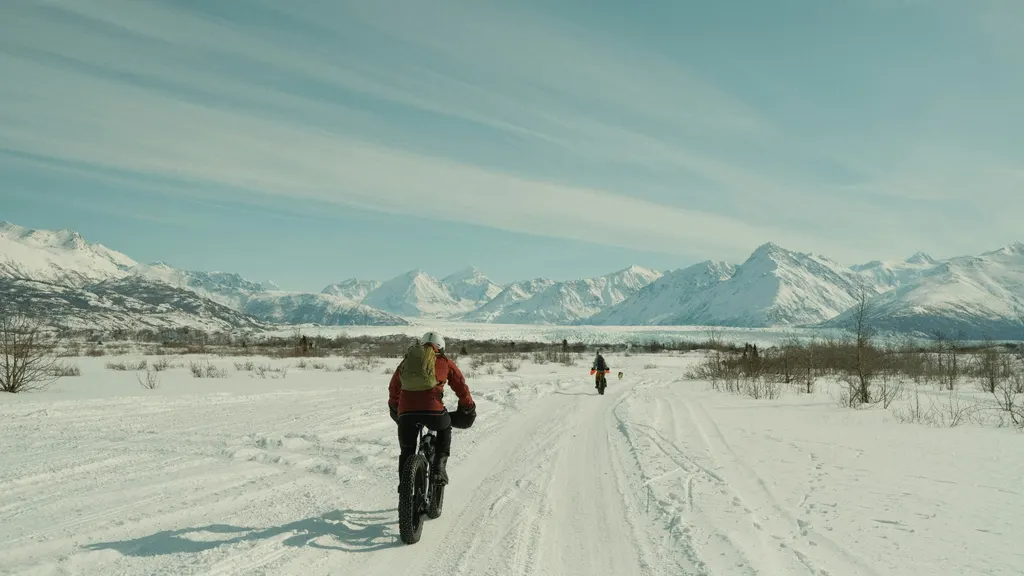
Susitna 100
The Susitna 100 is 100 miles of frozen rivers, swamps, and tight wooded trail through the Susitna River valley north of Anchorage, raced on fat bikes, skis, or foot. It has run every February since 1997, tracing its lineage to the Iditabike races of the 1980s, which makes it one of the oldest winter ultras in North America. Racers must carry winter survival gear that passes a pre-race inspection, checkpoints are far apart, and self-sufficiency in subzero conditions is the core skill being tested. Riders share the trail with moose, fox, and the occasional passing dog team. A companion 50K on the same weekend offers a saner introduction to the discipline.
Event website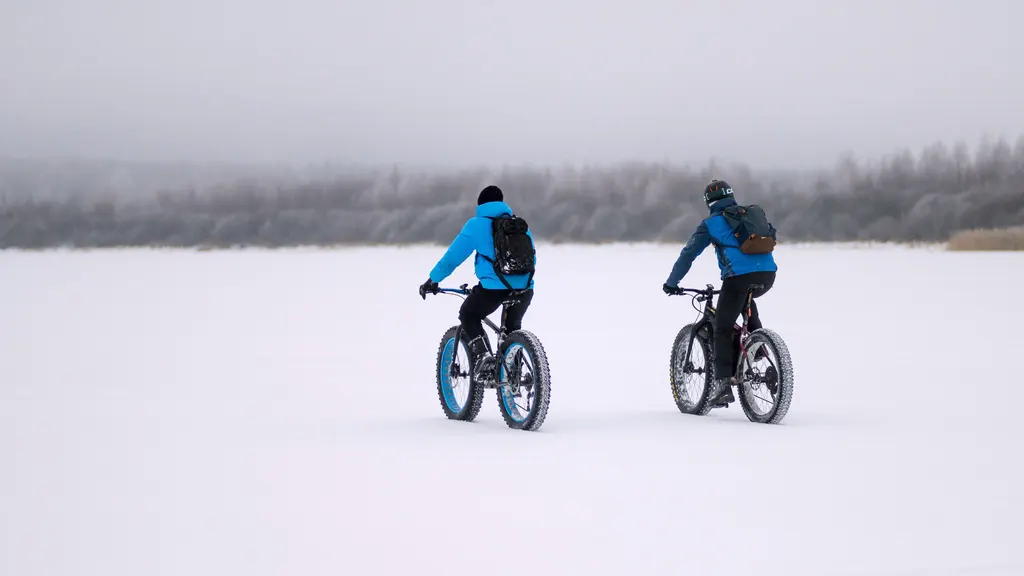
Rondy Big Fat Ride
The Big Fat Ride is the anti-race: a mass winter fat-bike cruise held during Fur Rendezvous, Anchorage's biggest winter festival. The roughly 5-mile loop rolls from 4th Avenue downtown along the Chester Creek Trail to Westchester Lagoon and returns on the Coastal Trail, with a warming station at the lagoon and a pizza party at 49th State Brewing at the finish. It is organized by Bike Anchorage, the city's bike advocacy nonprofit, and ticket revenue supports its work. Helmets are mandatory, costumes are encouraged, and the whole thing is the easiest possible way to discover that riding a bike in an Alaska February is genuinely fun.
Event websiteAlaska E-bike Law and Insurance FAQ
- What are the e-bike laws in Alaska?
- Alaska has no statewide e-bike statute: Alaska HB 8 passed the legislature nearly unanimously in 2023 and was vetoed that July. Classification lives with land managers and cities instead. Alaska State Parks adopted the three classes in 2022 and Anchorage followed with Anchorage AO 2024-51(S) in 2024, while the DMV asks nothing: no license, no registration, no insurance.
- Do Class 1, Class 2, and Class 3 e-bikes need insurance in Alaska?
- Insurance is entirely your call in Alaska: no state law mandates liability coverage for any e-bike. Under the Anchorage and state-parks rules, Class 1 is pedal assist cutting off at 20 mph, Class 2 may run on throttle alone up to 20 mph, and Class 3 is pedal assist up to 28 mph. A standalone Velosurance policy covers theft, crash damage, and optional liability, starting around $9 per month.
- What does bicycle and e-bike insurance cover in Alaska?
- A standalone Velosurance policy covers theft, accidental and crash damage, and damage in transit, with optional liability and medical payments coverage. Alaska requires no e-bike coverage and offers no registration pathway, so the policy is your paper trail and your protection after a theft or crash. Policies start around $9 per month for Alaska riders.
- Which e-bikes can ride bicycle trails in Alaska State Parks?
- Class 1 e-bikes ride the bicycle trails in Alaska State Parks unless a trail is posted closed (11 AAC 12.115). The parks quirk worth knowing: Class 1 there means pedal assist cutting off at 20 mph with a motor under 500 watts, tighter than the 750-watt cap Anchorage uses. Any class may still ride park roads and OHV trails.
Alaska e-bike laws explained: classes, age limits, and what changes next.
Keep Riding: Nearby States
Cross a border and the trails, the weather, and the e-bike laws all change. See how Alaska's neighbors compare.

Why Velosurance is best for your bicycle
Not all types of insurance are created equal. Velosurance levels the playing field by offering stand-alone bicycle coverage, where claims won't affect your homeowner's or renter's policy premiums.
| Policy Coverage |  | Homeowner/Renters Policy |
|---|---|---|
| Insured at Full Value | Yes | Possibly |
| Crash Damage | Yes | No |
| Theft Coverage | Yes | Limited |
| Theft by Force | Yes | No |
| Theft of Accessories | Yes | Limited |
| Theft Away From Home | Yes | Possibly |
| Uninsured Motorist | Yes | No |
| Personal Liability | Yes | Possibly |
| Permissive Use Policy | Yes | No |
| Replacement Rental | Yes | No |
| Event Fee Return | Yes | No |
| Cycling Apparel Coverage | Yes | No |
| Medical Payments | Yes | Possibly |
| Racing Coverage | Yes | No |
| E-bikes | Yes | No |
| Coverage in-transit | Yes | No |
| USAC, USAT and IMBA Member Discount | Yes | No |
| FREE INSTANT QUOTE |
Not all insurance policies provide the same level of protection, and many people only discover gaps in their coverage after filing a claim. We’ve done the hard work of reviewing the fine print. To see how plans compare, check out our insurance comparison.
Client satisfaction is our #1 goal. Here's what our clients say about Velosurance


Velosurance really stepped up and put me at ease. The claim was fast and easy. I am insuring all my bikes now.

Check out Velosurance reviews to see what people are saying about us.
Alaska's best bicycle and e-bike insurance
No matter where your adventures take you, protect your bicycle and yourself from the unexpected with America's best bike insurance.