


 +
+ 
About Ibis
Ibis Cycles started in 1981 when Scot Nicol built a frame for a friend and kept going. The early bikes were hand-built steel, made in Northern California, and known as much for their wit as their welds. The Hand Job cable hanger and the Bow-Ti titanium frame gave the brand a reputation for not taking itself too seriously while building seriously good bikes.
Ibis nearly disappeared in the early 2000s, then came back in 2005 with the carbon Mojo and never looked back. The defining choice was suspension: every full-suspension Ibis uses the dw-link system designed by Dave Weagle, tuned for pedaling efficiency that does not give up small-bump sensitivity. The company is employee-owned and still based in Santa Cruz, California.
Ibis builds mountain bikes, with one gravel exception. The Ripley and Ripmo are the trail and enduro core, the HD6 is the long-travel enduro bike, the Ripley SL is the lightweight short-travel option, and the DV9 is the hardtail. The Oso is the brand’s first e-MTB, built around a Bosch Performance Line CX motor, and the Hakka MX is the drop-bar gravel bike that does cyclocross, gravel, and road on one frame.
Most popular Ibis models
The Ripley and Ripmo anchor the Ibis range. The Ripley runs 130mm of dw-link travel for fast, efficient trail riding, and the Ripmo adds travel and a slacker head angle for steeper, rougher terrain. Both come in aluminum as the Ripley AF and Ripmo AF, which keep the geometry and suspension design at roughly half the price of the carbon frames. The Ripley SL is the lightweight short-travel build for riders who prioritize climbing and all-day pace.
The HD6 is the 165mm enduro bike for bike-park laps and the steepest descents, and the DV9 is the carbon hardtail for XC racing and singletrack. The Oso is Ibis’s first electric mountain bike, a modular platform that reconfigures between trail and heavy-duty builds around a Bosch Performance Line CX motor, while the Hakka MX covers gravel and cyclocross on drop bars. A carbon Ibis with a high-end SRAM or Shimano build runs well past $9,000, a replacement value a homeowner’s policy rarely matches, which is where standalone mountain bike insurance earns its place.
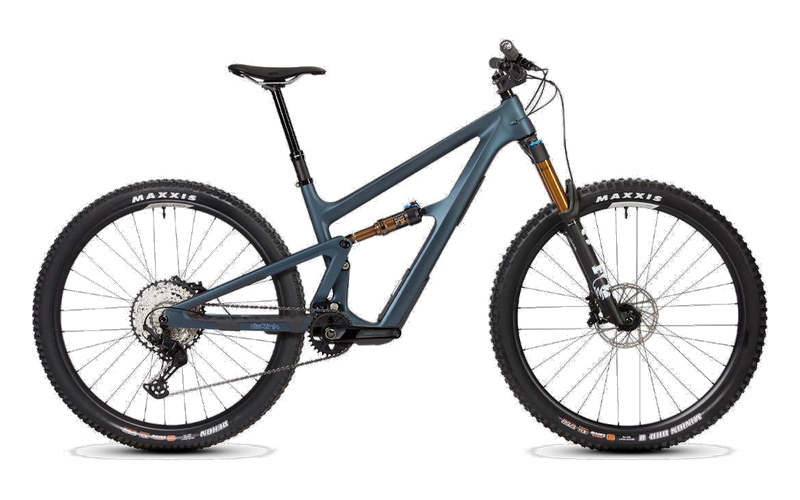
Ibis's short-travel trail bike, with 130mm of dw-link rear travel tuned for efficient climbing and quick, playful handling on singletrack.
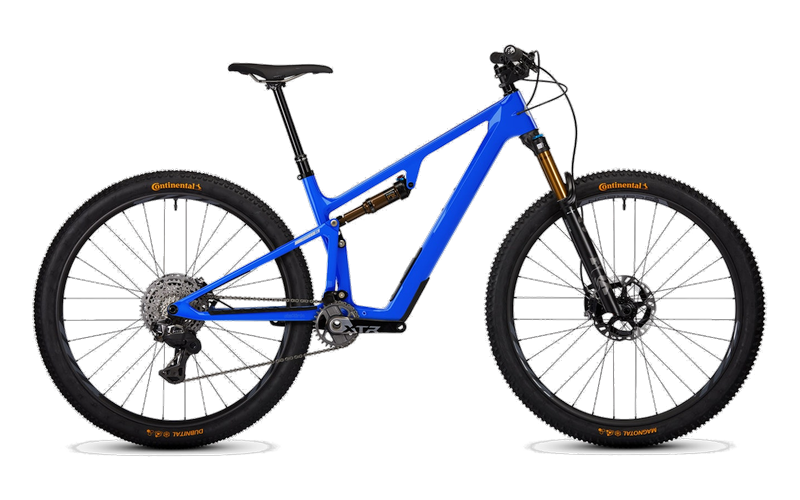
The lightweight version of the Ripley, built with a lighter carbon frame for riders who prioritize climbing speed and all-day endurance.
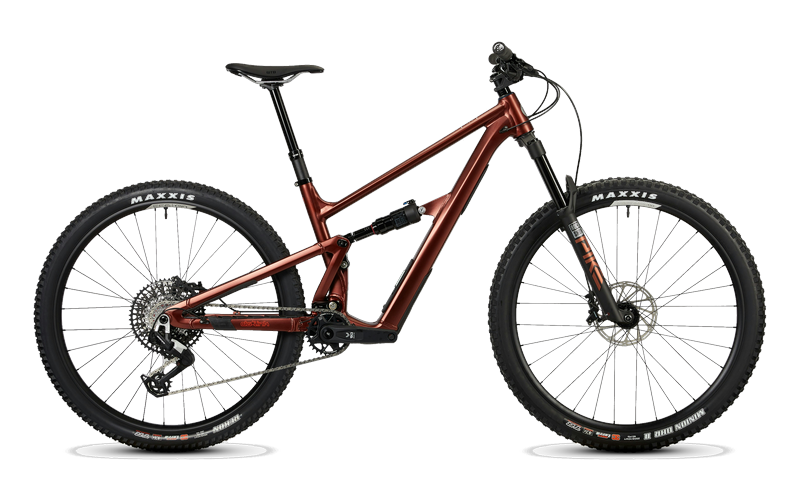
The aluminum Ripley, keeping the dw-link suspension and trail geometry of the carbon bike at a more accessible price.
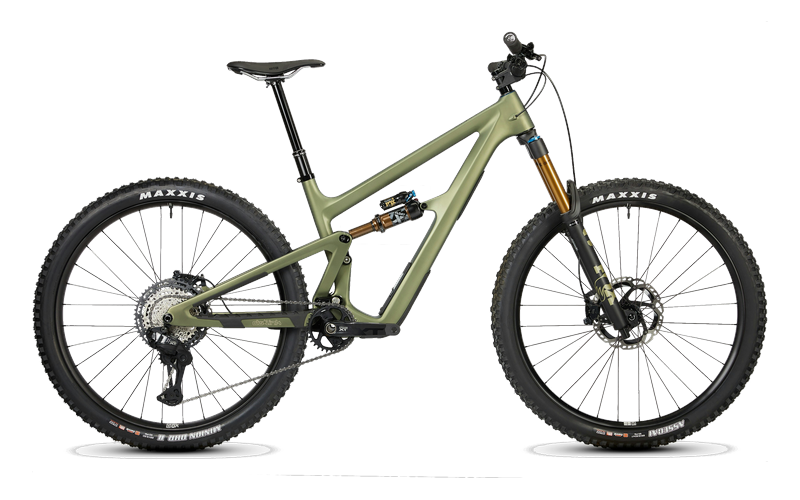
Ibis's trail and enduro all-rounder, with more travel and a slacker head angle than the Ripley, plus internal downtube storage and mixed-wheel compatibility.
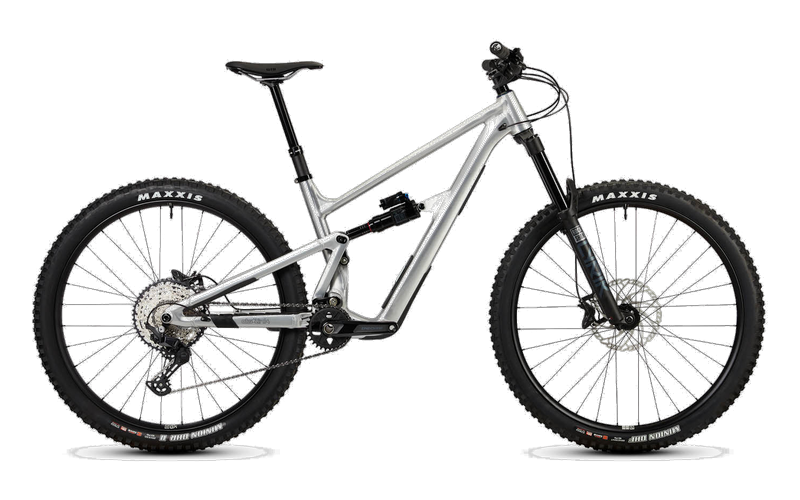
The aluminum Ripmo, delivering the same long-travel trail and enduro capability as the carbon frame at a lower price point.
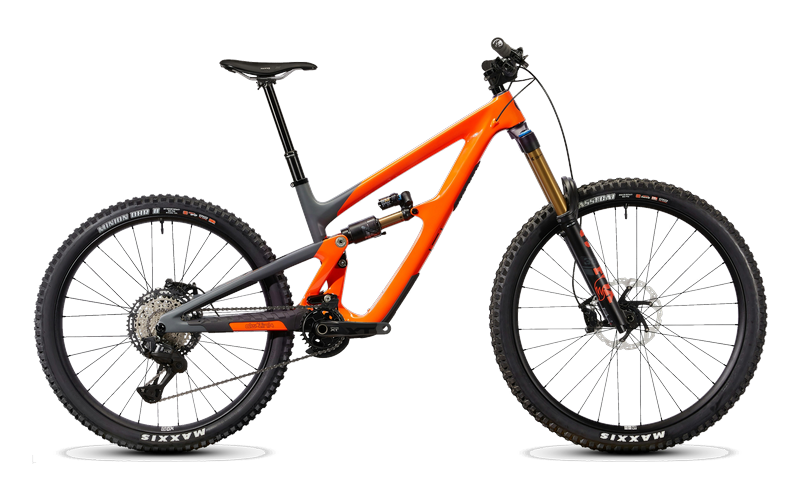
Ibis's 165mm enduro bike, built for bike-park laps, steep technical descents, and the roughest terrain in the range.
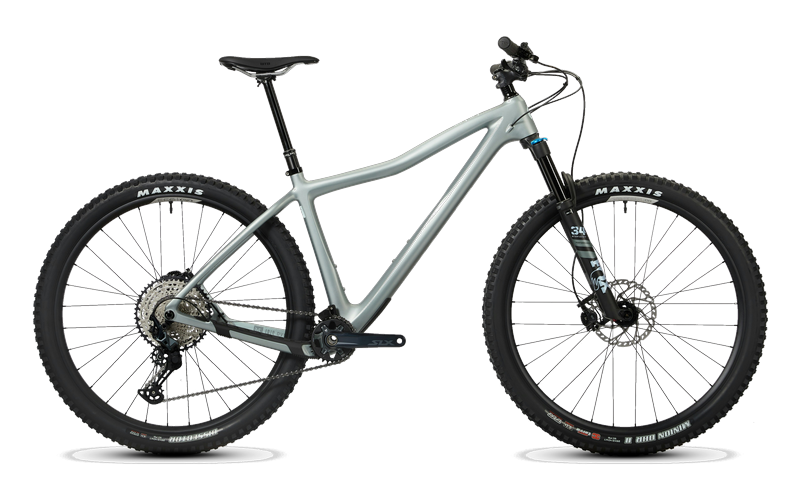
Ibis's carbon hardtail, a fast, light 29er built for XC racing, marathon riding, and efficient singletrack.
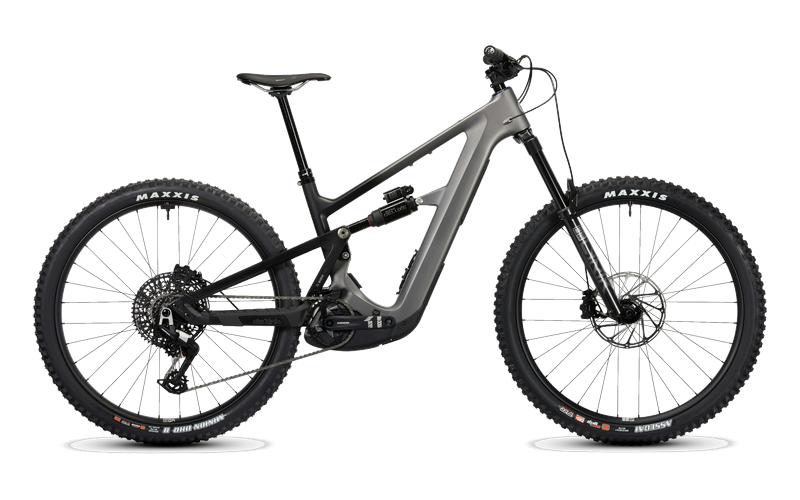
Ibis's first electric mountain bike, a modular platform powered by a Bosch Performance Line CX motor that reconfigures between trail and heavy-duty builds.
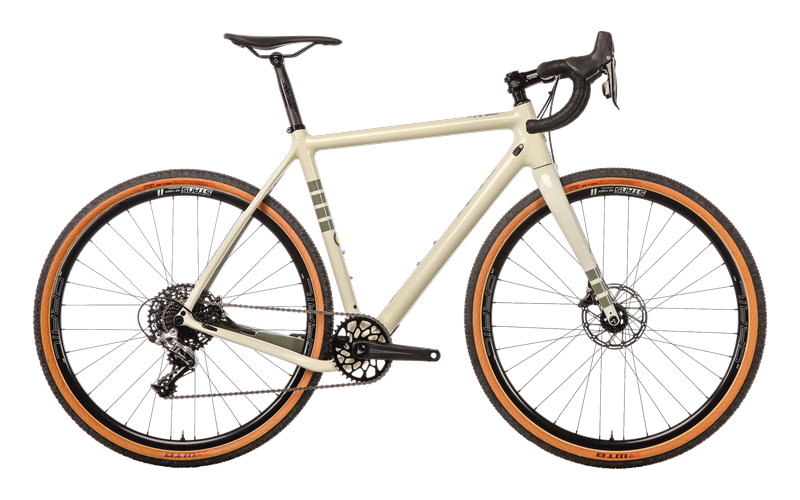
Ibis's drop-bar gravel bike, a versatile frame that handles gravel, cyclocross, and road riding with clearance for wide tires.
Ibis's Warranty: What It Covers and Where It Stops
Ibis backs its frames with a lifetime warranty against defects in materials and workmanship. Five terms decide what that is worth to you.
Lifetime on frames sold after January 1, 2023
Ibis frames carry a lifetime warranty against defects in materials and workmanship for the original owner. The warranty is non-transferable, and Ibis defines lifetime as the normal expected life of its products.
Register within 1 year of purchase
The lifetime frame warranty applies exclusively to frames registered within 1 year of purchase. Frames sold before January 1, 2023 are covered for 7 years for the original registered owner. Non-registered frames are covered for 2 years.
One year on paint, free pivot bushings for life
Paint and finish are covered for 1 year, and paint damage from removing protective tape is not covered. Ibis replaces worn clevis or lower pivot bushings free of charge for the original owner for the life of the product.
Labor and shipping are on the owner
The costs of disassembly, reassembly, or repair of attached components are the original owner's responsibility. Customers pay shipping, except for EU destinations less than 2 years after the date of sale. Claims without a proof of purchase receipt are not considered.
Defects only: a crash is a non-warranty situation
The frame warranty covers defects in materials and workmanship, and Ibis treats a crash as a non-warranty situation. At its sole discretion, Ibis makes replacement parts available to the original owner at a minimum charge. Those are the losses a Velosurance policy is built for.
Summary of the Ibis Cycles Warranty Policy, reviewed September 17, 2026. Applies to Ibis frames sold after January 1, 2023, for the original owner, with a proof of purchase receipt in the owner's name from an authorized Ibis retailer. The manufacturer decides every warranty claim, and its full published terms govern.






Why Velosurance is best for your Ibis
Velosurance is a stand-alone policy that covers theft and accidental damage and can be optioned to create a comprehensive umbrella of protection for your cycling lifestyle.
Protect your Ibis in under 2 minutes
Get a no-commitment price for any current Ibis model. Pay monthly, cancel anytime.
Get my free quote →