


New York cycling in numbers
42%
Bike ownership
1,400+
Miles of trails
250+
State parks
65
Bike friendliness score
New York from a cyclist's perspective
New York feels like a state built around the idea of movement, and the bicycle fits neatly into that story. From a rider’s perspective, it offers a striking contrast between dense, urban streets where bikes compete with taxis and buses, and long ribbons of quiet trail threading through canal towns, river valleys, and forested hills. It is not perfectly consistent, but it rewards curiosity and a tolerance for patchwork conditions.
For many cyclists, the Empire State Trail functions as the backbone of the experience. This long, continuous route ties together New York City, the Hudson River Valley, the Erie Canal corridor, and the North Country in a way that is both practical and scenic. On different sections, you might roll past historic lock structures, small industrial villages reinventing themselves, or broad tidal river views with cliffs and palisades rising above the water. The surface is a mix of paved greenway and well-maintained crushed stone, which makes it accessible to a wide range of bikes and riders.
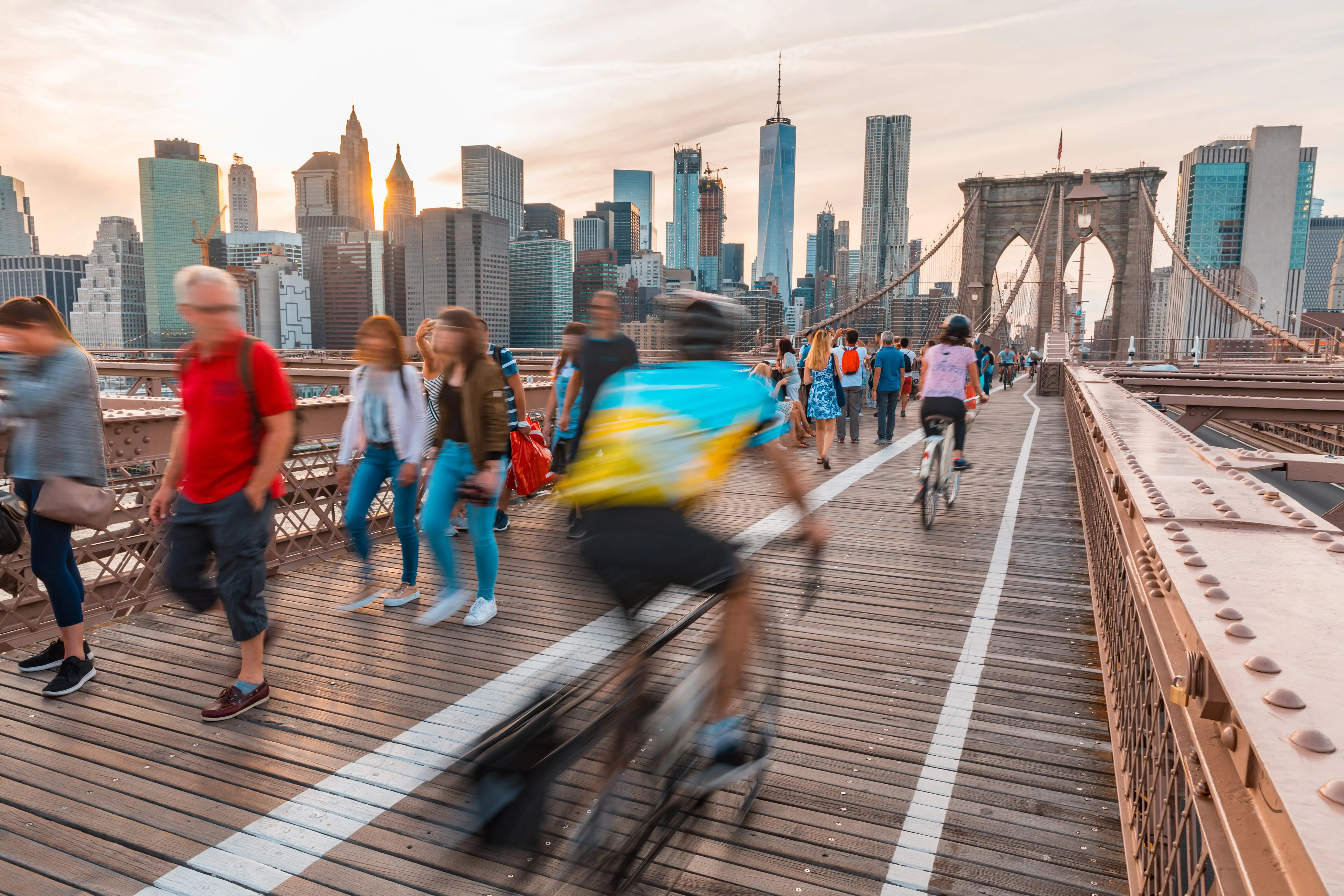 Around New York City, cycling has shifted from a fringe activity to a normal part of daily life. Protected lanes and greenways now connect large parts of Brooklyn, Manhattan, and Queens, making it feasible to commute or run errands by bike without feeling like you are constantly at the mercy of traffic. That said, the riding experience still varies block by block. Intersections can feel hectic, and some key links remain painted lanes next to aggressive traffic rather than comfortable, separated paths. It is a city that clearly takes bikes seriously, yet still has work to do on safety, driver behavior, and continuity.
Upstate cities like Albany, Syracuse, Rochester, and Buffalo each offer their own mix of opportunity and frustration. Most have some sort of riverfront or waterfront path as a spine, often tied to the canal or lakefront, which can provide pleasant everyday mileage and family-friendly riding. Beyond those corridors, the street networks can feel hit or miss, with narrow bridges, high-speed arterials, and incomplete bike lane grids limiting direct, low-stress connections. For the touring cyclist, this is rarely a deal breaker, but it does mean route planning requires more care than in the very best cycling cities.
What ties New York together for riders is the sense that you can traverse an entire state by bike and feel that the system, while imperfect, was built with that in mind. It is a place where your experience will depend heavily on where you ride, yet the ingredients for memorable, magazine-worthy journeys are firmly in place.
New York Cycling Weather
New York offers a four-season cycling climate, where humid summer mornings and crisp autumn afternoons provide the best riding conditions before winter snow and spring rains move in.
Sunny days a year
205
Riding season
Apr - Oct
205 sunny days a year
Riding season
New York Cycling Destinations
Empire State Trail
The Hudson Valley leg of the Empire State Trail is New York’s signature long‑distance ride, stitching together Manhattan, the Palisades, river towns, and the state capital in a mostly low‑stress, separated corridor. Cyclists get classic Hudson River scenery, historic riverfront downtowns, and frequent trailhead access from Metro‑North and Amtrak, which makes section‑riding easy. The surface is largely paved or well‑compacted stone dust, so touring, gravel, and hybrid bikes all work well. Wayfinding is generally excellent, with consistent branding and mileage markers that underpin its appeal for multi‑day bike travel. Riders encounter a mix of greenway, canal path, and on‑road connectors, but traffic stress is usually modest compared to typical northeastern corridors. This route demonstrates New York’s ambition to be a through‑ride state rather than a patchwork of disconnected local paths.
A classic outing is a full‑day one‑way ride, such as New York City to Beacon or Poughkeepsie by train and bike, then back by rail. The corridor’s rail access makes one‑way days practical, while small river towns provide food, lodging, and post‑ride culture. North of Poughkeepsie, the character becomes more rural and relaxed, ideal for riders who want scenery and villages rather than big‑city intensity.
Erie Canalway Trail
The Erie Canalway Trail, now branded as a core spine of the Empire State Trail, is one of the country’s archetypal canal‑path rides and the backbone of supported tours like Parks & Trails New York’s eight‑day “Cycle the Erie Canal.” Running between Buffalo and Albany, it follows historic canal towpaths and adjacent rail corridors to create a largely off‑road, crushed‑stone and paved route. Riders pass through a string of canal towns, locks, aqueducts, and small cities, making this a narrative‑rich journey as well as a physical one. The canal’s level profile keeps grades gentle, which lowers the intimidation factor for newer tourers and mixed‑ability groups. Services are reasonably frequent, although overnights still demand planning, especially in more rural stretches.
For magazine readers, the appeal is the way the trail combines Americana, low‑stress riding, and scale. The standard supported tour covers roughly 400 miles in eight days, which is substantial but attainable for anyone with basic touring fitness. Veteran riders can compress the route into fewer days, but the charm lies in settling into the canal’s slow rhythm, stopping at locks, museums, and small‑town diners. The surface favors wider road tires or gravel setups, but many riders tackle it happily on sturdy commuters. Weather exposure and headwinds along open canal sections are often more decisive than the minimal climbing.
Adirondack Park Loop
The Adirondack Park Loop delivers New York’s big‑mountain road experience, circling through one of the largest protected landscapes in the eastern United States. This roughly 430‑mile circuit strings together lakeside towns, forested valleys, and long, sinuous climbs that reward patient pacing more than explosive power. Traffic volumes vary, but outside of peak holiday weekends, many stretches feel surprisingly quiet given the scenery. Services are spaced more thinly than along the Erie Canal, which nudges riders toward classic touring habits like early grocery stops and flexible daily mileage. The loop’s rolling topography means that even moderate days can accumulate more climbing than the map suggests. Riders with an appetite for extra punishment can tack on alternates like the Whiteface Mountain spur, which adds a short but very stout climbing segment.
From a storytelling perspective, the Adirondack route showcases New York’s wild side and gives readers an alpine‑flavored ride without leaving the Northeast. Long descents, sweeping lake views, and historic small towns give the loop a cinematic feel when the weather cooperates. Road surfaces are mixed but generally good, and a classic loaded touring bike or modern all‑road machine fits the terrain. Wildlife sightings and rapidly changing mountain weather both add drama, making route planning and layering an important part of the experience.
Minnewaska State Park and the Gunks
Minnewaska State Park and the Shawangunk Ridge deliver some of the state’s most photogenic mixed‑surface riding on a compact footprint, with gravel carriage roads, lake overlooks, and cliff‑edge vistas that feel purpose‑built for all‑road bikes. The park’s historic carriageways offer broad, well‑graded gravel suitable for intermediate riders, while nearby paved climbs and ridge roads let stronger cyclists stack serious elevation into a day. A popular loop from the main Minnewaska entrance uses Lower Awosting and Castle Point carriage roads to form a scenic circuit with sustained but manageable climbing, often recommended for riders comfortable on gravel who want a full‑value half‑day. The area also links easily with Mohonk Preserve and quiet Ulster County backroads, allowing ambitious visitors to build bigger all‑day routes that mix paved climbs, dirt connectors, and lake‑view spurs.
Minnewaska is an ideal “weekend away” feature, close enough to New York City to be realistic yet wild enough to feel like a real escape. The riding suits everything from rigid mountain bikes and gravel rigs to robust commuters with wider tires. Peak foliage and clear spring days are especially spectacular, but shoulder‑season weather can turn quickly on the ridge, so layers and good braking setups matter. Parking fills early on prime days, which subtly incentivizes riders to arrive on a bike or combine transit with riding from nearby Hudson Valley towns.
Finger Lakes Overnighter
The Finger Lakes Overnighter, starting and finishing in Watkins Glen, is an approachable bikepacking‑style loop that showcases wine country landscapes, glacial lake views, and rolling rural roads in a tidy two‑day package. Designed as a mixed‑surface ride, it blends paved secondary roads with substantial stretches of dirt and a touch of singletrack, making it a gateway trip for riders curious about bikepacking but not ready for a week in the backcountry. The circuit’s rhythm is classic Finger Lakes terrain, with repeated climbs away from the lake followed by fast descents and quiet valley floors. Small towns and wineries along the way give riders plenty of options to stretch days out with tastings, café stops, and scenic detours. At the same time, the loop stays compact enough that logistics remain manageable for visitors traveling in with a single weekend bag.
For storytellers, this route stands out because it layers three distinct experiences into one trip: bike touring, wine country tourism, and lake‑town ambience. Campsites and small lodging options near the route make it easy to tailor the level of roughing it, from minimalist campouts to cushier inn‑to‑inn versions. The mixed surfaces reward 38 to 45 millimeter tires and stable handling, but technical difficulty is generally low, which broadens the potential audience. Summer heat and autumn chill both shape packing lists, but the scenery is strong in every riding season.
Bethpage Bikeway - Long Island greenway spine
The Bethpage Bikeway on Long Island is a key suburban greenway that strings together parks, preserves, and neighborhoods in a near‑continuous, family‑friendly corridor. It gives riders in the New York metro region a car‑free or low‑traffic option that feels far removed from the expressways it quietly parallels. The paved path runs from the Woodbury area south toward Massapequa, threading through Bethpage State Park and the Massapequa Preserve, with lakes, shade, and frequent access points from local streets. For less experienced riders, it is a rare chance to log meaningful miles without dealing with aggressive drivers. More seasoned cyclists use it as a low‑stress spine, branching off to explore adjacent road networks or to link up with beach‑bound routes further south. Weekend traffic can be heavy but generally courteous, giving the corridor a social, communal feel.
From a magazine perspective, Bethpage illustrates what a mature suburban trail can do: provide both transportation utility and recreation without demanding advanced skills. The grade is mostly gentle, and the surface is well-suited to everything from kids’ bikes to drop‑bar road machines. Shade and park facilities make it a dependable shoulder‑season option when open, wind‑swept routes feel less inviting. Crowding and conflicts with pedestrians are real considerations, particularly near popular trailheads, which makes it a good place to emphasize trail etiquette, bells, and patient group riding tactics.
New York Cycling Events
Cycling is very popular in New York, there’s a cycling event for every type of rider.
Five Boro Bike Tour
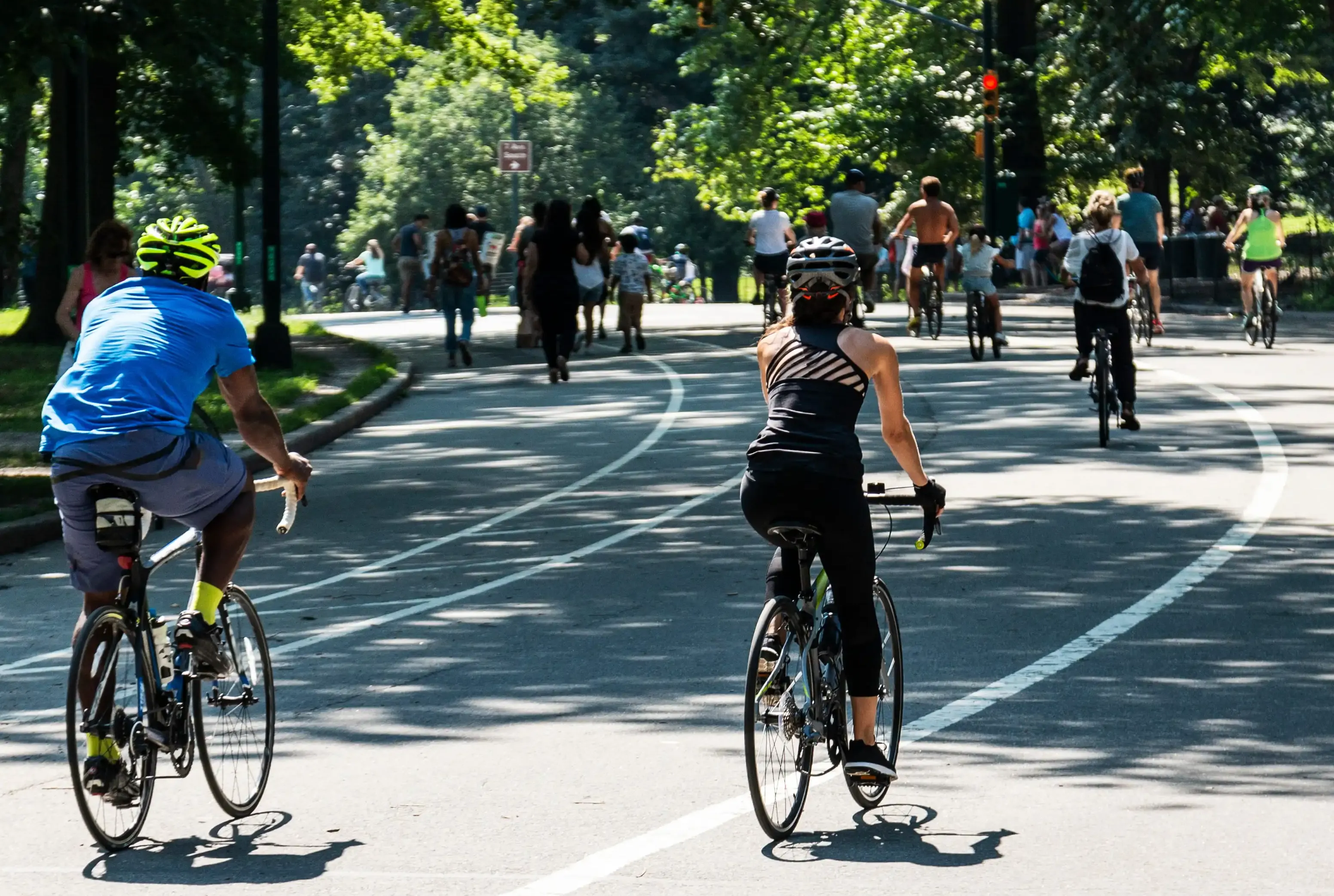
The TD Five Boro Bike Tour is the signature mass‑participation ride in New York, taking more than 30,000 cyclists on a closed‑to‑cars route through all five boroughs. Riders roll past landmarks, over major bridges, and along expressways that are normally off‑limits to bikes, making it as much an urban spectacle as a bike ride. The event is non‑competitive and attracts a wide range of abilities, from occasional riders to club regulars, with frequent rest stops and heavy volunteer support. It functions as a showcase for New York City’s cycling culture and a fundraiser for Bike New York’s education programs, which helps explain its enduring popularity and lottery‑like demand for entries.
Event website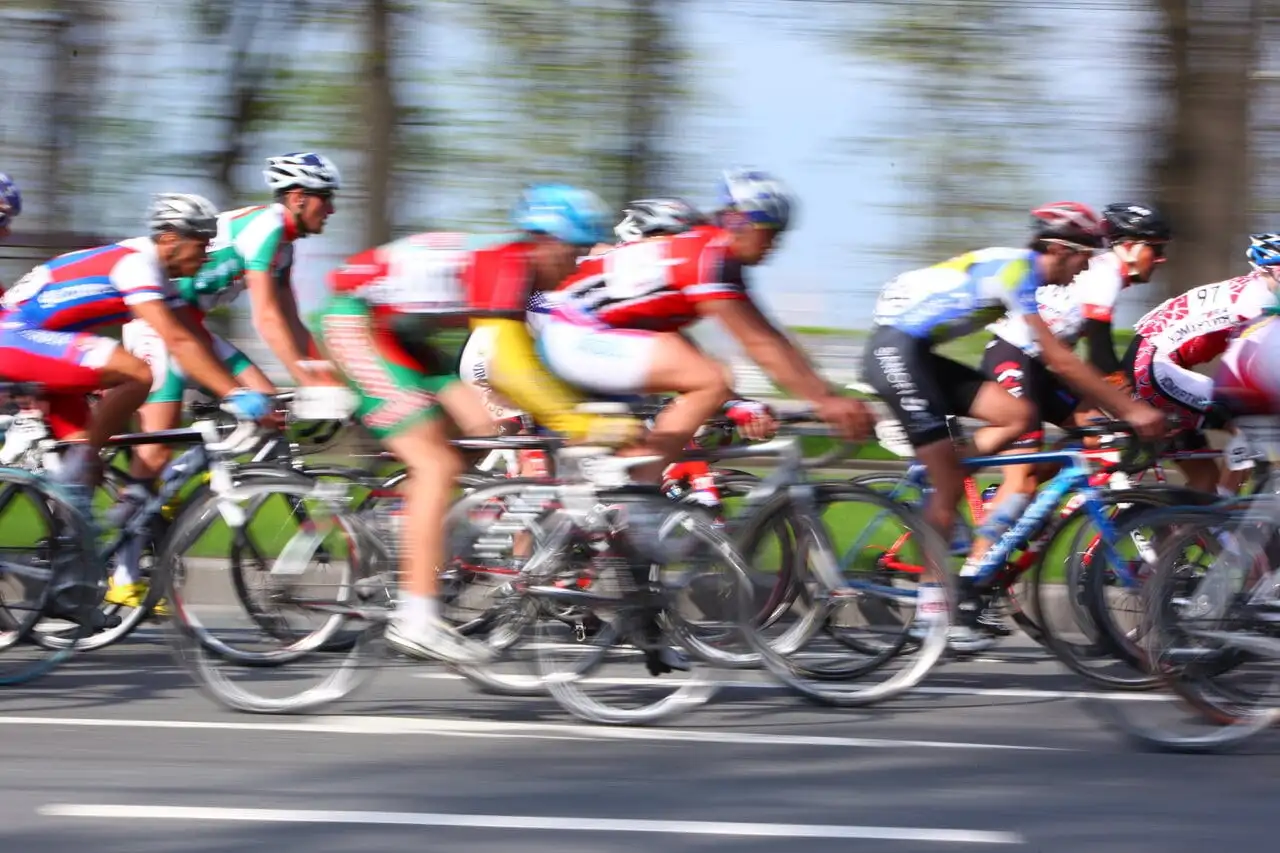
Gran Fondo New York
Gran Fondo New York is the state’s flagship gran fondo, starting on a traffic‑free George Washington Bridge before heading up the Hudson River corridor and into the hills toward Bear Mountain. The event blends a festive mass‑start atmosphere with serious racing on timed climbs, including the long Bear Mountain ascent that defines the day for many riders. It draws thousands of participants from dozens of countries and serves as the world championship for the GFNY global series, which adds an international flavor to the peloton. Riders experience a classic European‑style cyclosportive in a New York setting, with closed or controlled roads, strong on‑course support, and a post‑ride festival that stretches the day well beyond the finish line.
Event website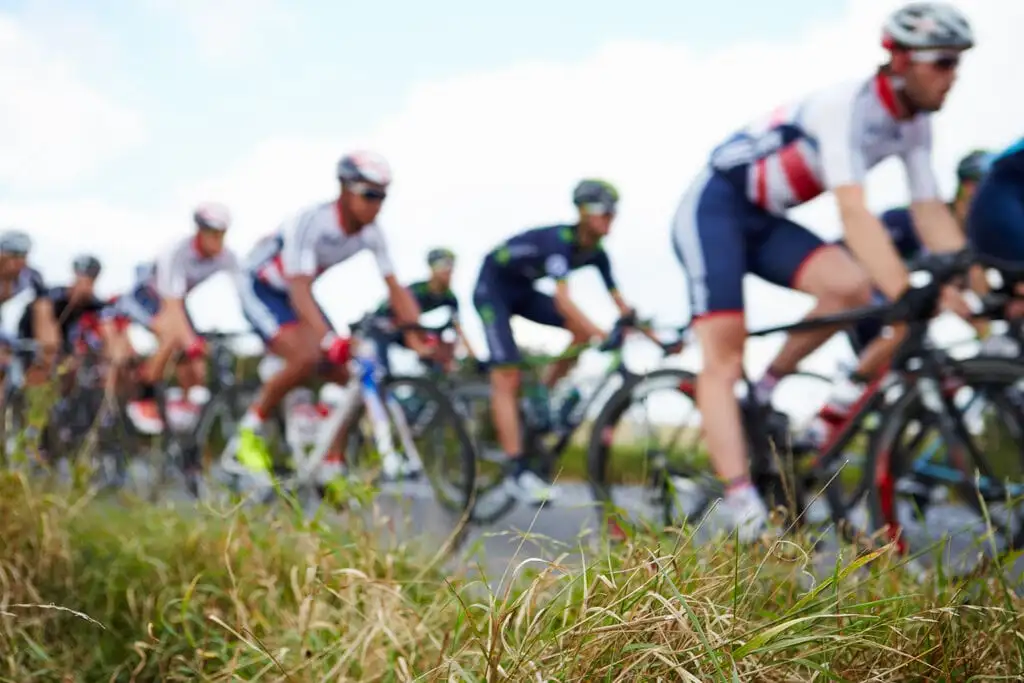
Tour of the Battenkill
The Tour of the Battenkill has earned a reputation as one of the toughest one‑day races in North America, combining paved farm roads with numerous dirt sectors that echo the feel of European Spring Classics. Starting and finishing in Cambridge, New York, it sends large amateur fields into rolling countryside, over covered bridges and up brutally steep gravel climbs that routinely fracture the bunch. The event now offers a gran fondo format alongside race categories, making the legendary course accessible to a wider range of riders who want to test themselves without pinning on a traditional race number. Unpredictable early‑season weather, variable road surfaces, and the constant punch of short climbs add to its mythos and make it a bucket‑list challenge for many endurance‑minded cyclists.
Event website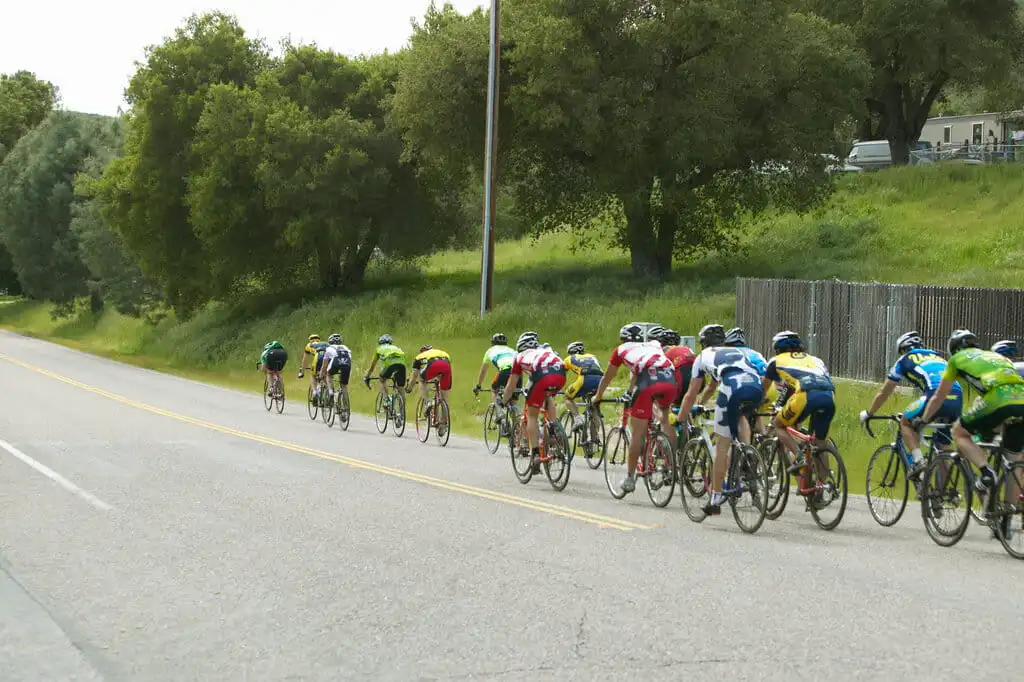
Twin Lights/Discover Hudson Valley
Alongside the TD Five Boro Bike Tour, Bike New York produces several popular regional rides that draw thousands of cyclists into the Hudson Valley and surrounding areas each season. Events like Discover Hudson Valley and its predecessors have offered multiple route options that combine river views, historic towns, and long stretches of relatively quiet roads, supported by rest stops, mechanical assistance, and SAG vehicles. These rides cater to a wide spectrum of abilities, from shorter family‑friendly distances to century‑length challenges that appeal to experienced club riders. They also function as gateways to the wider region, often using scenic roads and bridges that many participants later revisit on their own. While branding and exact line‑ups shift over time, the formula of well‑supported, multi‑distance Hudson Valley road events remains a mainstay of New York’s calendar.
Event website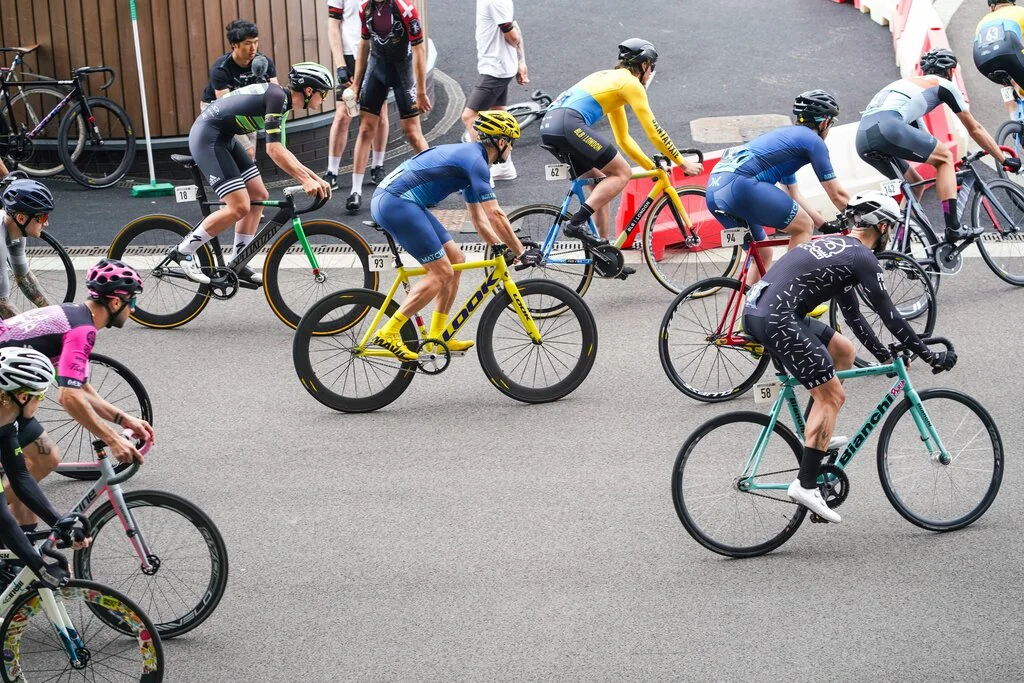
Harlem Skyscraper Cycling Classic
The Harlem Skyscraper Cycling Classic is an iconic New York City criterium, held on a square circuit around Marcus Garvey Park and dating back decades as a showcase of urban bike racing. Its tight, roughly three‑quarter‑mile course that favors explosive power and precise bike handling, and race day features a full slate of categories from kids’ events to elite men and women. Spectators line the barriers, creating a loud, festival‑like atmosphere that makes this race particularly photogenic and media‑friendly. For racers, it is both a prestigious addition to the palmarès and a technically demanding test where cornering confidence often matters as much as raw wattage. The event’s deep roots in Harlem’s community give it cultural significance beyond sport, anchoring it as a fixture on the New York racing calendar.
Event website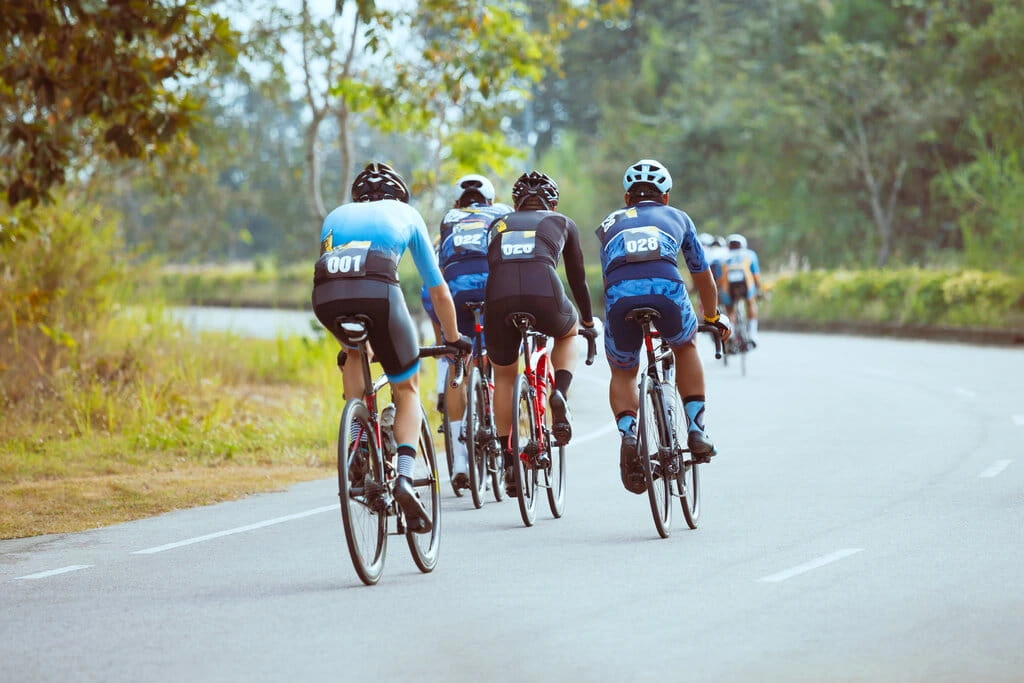
Bike Adirondacks signature events
Bike Adirondacks produces several of the state’s most sought‑after multi‑day ride experiences, including the Weekender at Paul Smith’s College, Bike the Barns Adirondacks, and other supported road and gravel events in the Adirondack region. These rides blend fully supported touring with small‑group intimacy, typically capping fields to keep the experience relaxed and personal. Routes highlight quiet forest roads, lakeside stretches, and classic Adirondack vistas, with daily mileage designed for strong recreational riders rather than racers. Evenings often feature local food, regional craft beverages, and educational pieces about the area’s natural and cultural history, which makes them ideal for magazine coverage that goes beyond pure performance. The format appeals to riders who want an event feel without the intensity of a mass start or the logistics of self‑supported touring.
Event websiteNew York's best bike insurance
No matter where your adventures take you, protect your bicycle and yourself from the unexpected with America's best bike insurance.
Free instant quote
Why Velosurance is best for your bicycle
Not all types of insurance are created equal. Velosurance levels the playing field by offering stand-alone bicycle coverage, where claims won’t affect your homeowner's or renter’s policy premiums.
| Policy Coverage |  | Homeowner/Renters Policy |
|---|---|---|
| Insured at Full Value | Yes | Possibly |
| Crash Damage | Yes | No |
| Theft Coverage | Yes | Limited |
| Theft by Force | Yes | No |
| Theft of Accessories | Yes | Limited |
| Theft Away From Home | Yes | Possibly |
| Vehicle Contact | Yes | No |
| Personal Liability | Yes | Possibly |
| Permissive Use Policy | Yes | No |
| Replacement Rental | Yes | No |
| Event Fee Return | Yes | No |
| Cycling Apparel Coverage | Yes | No |
| Medical Payments | Yes | Possibly |
| Racing Coverage | Yes | No |
| E-bikes | Yes | No |
| Coverage in-transit | Yes | No |
| USAC, USAT and IMBA Member Discount | Yes | No |
| FREE INSTANT QUOTE |
Not all insurance policies provide the same level of protection, and many people only discover gaps in their coverage after filing a claim. We’ve done the hard work of reviewing the fine print. To see how plans compare, check out our insurance comparison.
Client satisfaction is our #1 goal. Here's what our clients say about Velosurance


Check out Velosurance reviews to see what people are saying about us.
Contact Us
'Convinced yet? Let's make something great together.
If you have any questions, don't hesitate to get in touch with us.'
New York's best bike insurance
No matter where your adventures take you, protect your bicycle and yourself from the unexpected with America's best bike insurance.