TL;DR:
Cycling enriches kids’ health, confidence, and independence—but staying safe means prioritizing protective gear, choosing the right riding environment, teaching rules, and securing their bikes from theft
- At 30 mph, you're covering 44 feet per second—so every moment counts
- Opting for visibility, assertive lane position, and defensive posture helps drivers anticipate you better and reduces crash risk
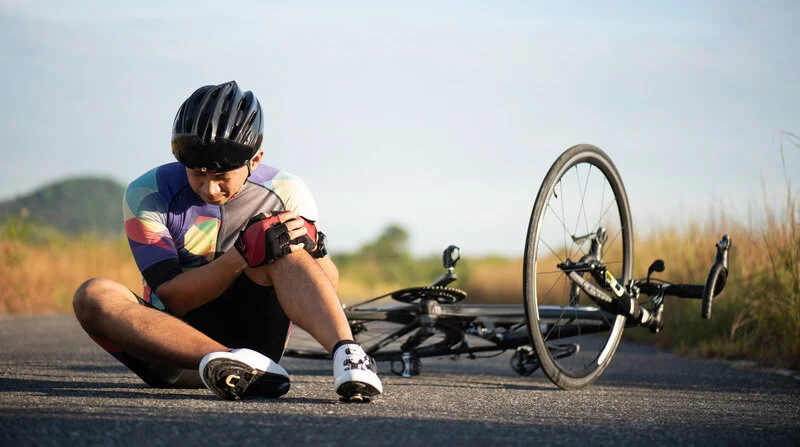
Every road rider knows how quickly things can change and that you need to rely on all your bike handling skills to avoid being injured in a bicycle vs automobile accident. At 30 mph a cyclist is traveling at 44 feet per second, and at that speed things happen fast.
Here are the most common road riding accidents and how to avoid them.
The right hook
This is a very common accident. A motorist passes a cyclist on the left and turns right across the bicycle’s direction of travel. This happens because motorists think that because you are riding a bicycle you must be moving slowly, whereas many road cyclists are moving at a speed close to the speed of the traffic.
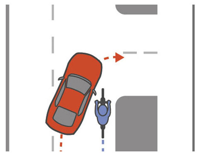
How to avoid it: Don’t pass slow cars to the right because this puts you in the driver's blind spot. Ride in the traffic lane - it's your right in all 50 states. Taking the traffic lane forces the motorist to stay behind you and wait to make the right turn.
The left cross
A motorist fails to see a cyclist when turning left and drives head on into an oncoming cyclist - this is the most common, and because of the closing speed, often the most devastating type of car vs bicycle accident.
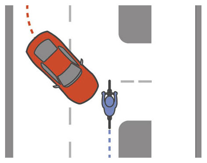
How to avoid it: If you see a car turning into you from your left and you can’t stop make a right turn so you are now headed in the same direction as the car. As soon as it is safe pull to the side of the road and then head back in your original direction.
Getting doored
We’ve all seen it happen: without checking for oncoming traffic, a motorist throws a door open right into the path of a cyclist. This is a ticket offense so make sure the attending police officer knows a law has been broken by the motorist and demand a ticket for the motorist.
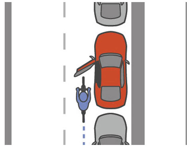
How to avoid it: Don’t ride right close to parked cars and if you do, be diligent, watch well ahead for idiot motorists opening a door. If riding 3 feet to the left of parked cars puts you in the traffic lane then ride in the traffic lane - it’s your right in 50 states. Getting doored is far more common than being hit from behind, so don’t stress about riding in the traffic flow.
Driveway exit
There’s a lot happening for a motorist exiting a driveway into a traffic lane and the last thing the motorist is looking for is a cyclist. This is a common accident so be wary when riding on a route with multiple parking lot exits.
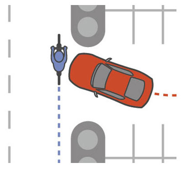
How to avoid it: You will need all of your bike handling skills to avoid the danger of riding on a road with multiple driveway exits onto the road. The best way to avoid this type accident is to choose a route with no parking lot exits. If your route must take you into this situation, then ride in the traffic lane with the flow of traffic - it’s your right in 50 states. Never, ever, ride on the sidewalk: motorists are not expecting to come across a fast moving rider on the sidewalk.
Key Takeaways
- Avoid right-hook crashes by riding in the traffic lane—not squeezing past cars on the right
- Prevent left-cross collisions by reacting defensively—turn right safely if a vehicle cuts in from the left
- Reduce the risk of doorings by steering well clear of parked cars and staying alert for opening doors
- Beware of vehicles exiting driveways—stay visible and ride predictably; avoid narrow escape paths
- Protect yourself from rear-end collisions by using bright, flashing lights and staying visible—especially from behind
Getting rear ended
A motorist hits a cyclist from behind. This is a cyclist's worst fear of an accident because you don’t usually see it coming and you won’t have a chance to avoid being hit. Although not the most common type bicycle vs car accident, it is nonetheless a fearful accident.
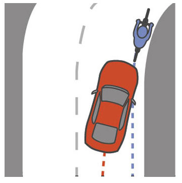
How to avoid it: Whether riding day or night use at least one strong flashing red LED taillight and headlight. The flashing light draws the attention of motorists and they are more likely to begin paying attention to the cyclist rather than their mobile phone. Wear bright and/or reflective clothing to stand out against the background of other traffic. Make arm signals when changing direction and maintain direction when you check for traffic over your shoulder. Make every possible effort so your presence is known to others using the same roadway.
We hope it never happens but if you are ever hit by a car while riding, there is a few very important things you need to know on what to do if you get hit by a car.
Frequently Asked Questions
- What is a right hook accident and how can a cyclist avoid it?
- A right hook happens when a motorist passes a cyclist and then turns right across the bicycle's path. Riding in the traffic lane is the fix: taking the lane forces the motorist to stay behind you until the turn, and it is your legal right in all 50 states. The key mistake to avoid: passing slow cars to the right, which puts you in the driver's blind spot right before the turn.
- What is the best riding position to prevent a dooring accident?
- Keeping at least 3 feet of clearance from parked cars is your primary defense against dooring. If that gap pushes you into the traffic lane, ride in the traffic lane. Getting doored is far more common than getting hit from behind, so traffic lane riding is the safer call whenever the choice presents itself.
- How should a cyclist react when a car turns left directly into their path?
- Turn right immediately so you are now traveling in the same direction as the car, converting a head-on collision into a much lower-energy side-swipe or a near miss. Once it is safe, pull to the side and resume your original direction. This maneuver works because it eliminates the closing speed between you and the vehicle.
- What visibility gear most reliably prevents rear-end collisions?
- A strong flashing red LED taillight, used day or night, is the most effective single tool. Pair it with bright or reflective clothing and make arm signals when changing direction. Flashing light catches the attention of drivers looking at their phones far more reliably than steady lights or clothing alone.
- What is the safest approach when a route has multiple driveway exits?
- Riding in the traffic lane with the flow of traffic is the safest position on roads with multiple driveway exits. Motorists pulling out of driveways are focused on the travel lane, not the sidewalk. Riding on the sidewalk on such a route dramatically increases the chance of a collision because drivers simply do not expect a fast-moving cyclist there.