TL;DR:
Choosing the right cycling gear—beyond just hopping on a bike—ensures comfort, safety, and enjoyment, whether you're commuting or tackling trails. Tailoring your gear to weather, visibility, and function can make or break your ride experience
- Prioritize safety gear—without compromise
- Protect your eyes and enhance visibility
- A well-chosen helmet is a must
There’s more to cycling than hopping on your bike and hitting the road. Finding the right gear optimizes your riding experience while keeping you safe and comfortable, whether you’re commuting to work or hitting the trails.
Dress for the weather
Seasoned outdoorsmen believe that there’s no such thing as bad weather but there’s such thing as wrong gear. While there are reasonable limits to that, the saying is mostly true. Riding your bike exposes you constantly to the elements, making it important to plan out your gear accordingly.
Winter cold
For you: Heavy bulky clothing restricts your maneuverability and causes you to overheat as your body burns energy. Wear breathable merino wool base layers that wick moisture while providing you with a fair amount of warmth. For extremely cold environments, choose full body suits to keep you toasty. They are easily removable when you need to layer down. Specially designed head warmers, gaiters, booties and gloves designed to repel water and wind are the best choices for winter wear.
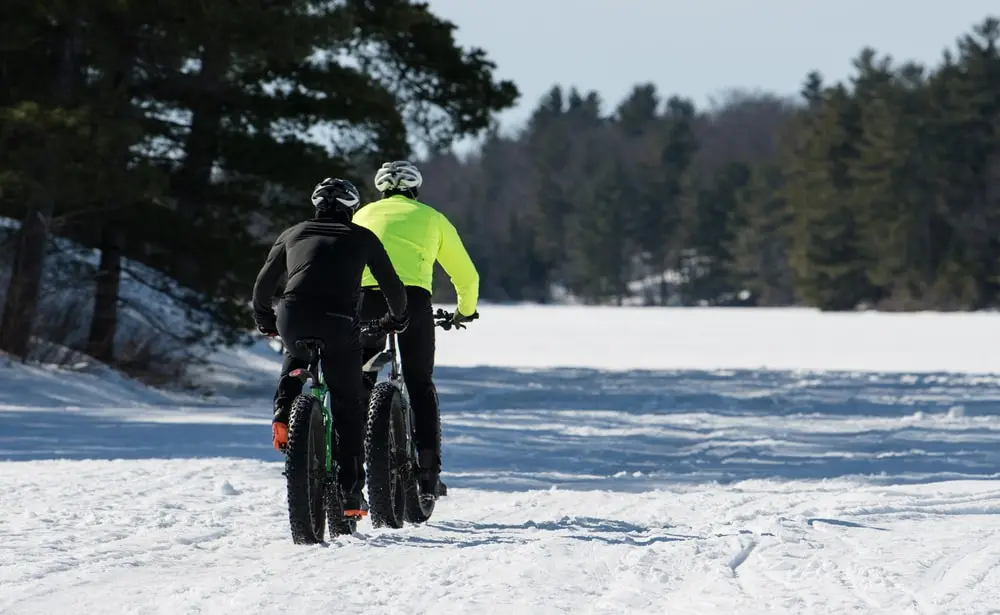
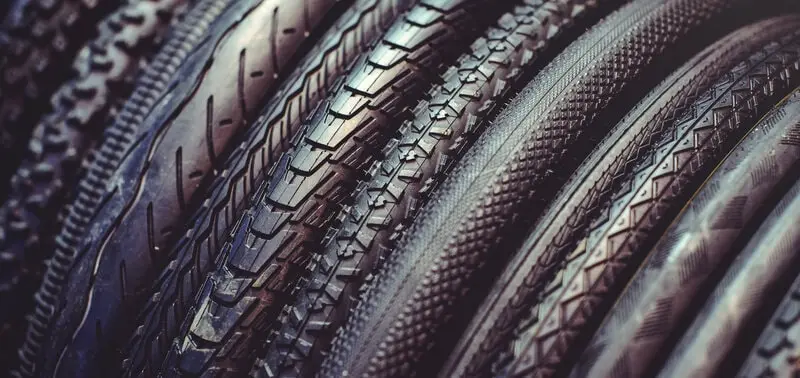
For your bike: Adding fenders to your bike prevents you from getting wet if you pass through a puddle and keeps your tires from kicking up debris from the road. Your riding partners will also appreciate your fenders as you won’t be splattering them with mud, snow or dirty water.
Summer heat
For you: During the warm seasons it is more important than ever to combat overheating and dehydration. Be sure to have access to water and carry enough with you for your entire ride. Water is easily stowed in a bottle attached to the frame of your bike, but you can carry more in a hydration bladder backpack. Backpacks allow for hands-free drinking and have extra storage space for your tools, clothing or anything else compact that you take with you. Protect yourself from the sun with UPF clothing that also keep you cool by reflecting solar radiation. Bike-savvy gear includes jerseys, leggings, shorts and arm guards to keep you cool in the summer heat.
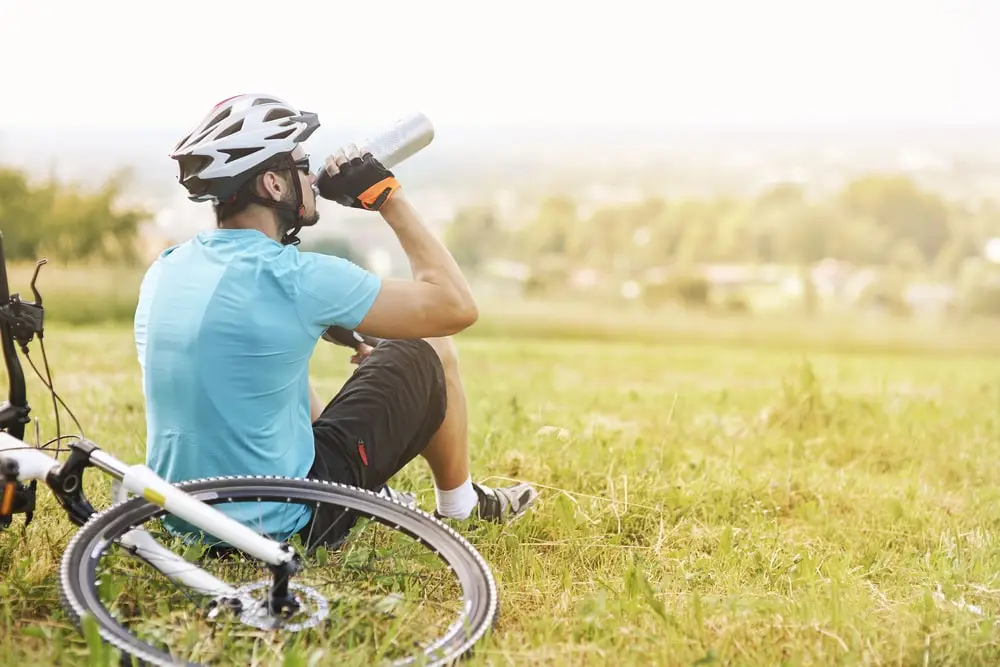
For your bike: Turn your messenger bag into a cooler with an insulated waterproof insert that lets you pack drinks or a picnic to enjoy out in the wild.
Key Takeaways
- Dress for the conditions—merino base layers for winter; breathable, sun-protective clothes and hydration solutions for summer
- Equip your bike for the elements—add fenders in wet seasons to stay dry and protect your drivetrain
- Trail riders need injury protection—use a helmet, gloves, knee/elbow pads, reinforced shoes, and carry first aid and repair tools
- Commuters benefit from a U-lock for security, moisture-wicking office-ready apparel, and a phone mount for navigation
- Safety gear is non-negotiable—choose a proper helmet (season-fit, vented), suitable eyewear, and bright lights for visibility
Gear for the mountain bike trail
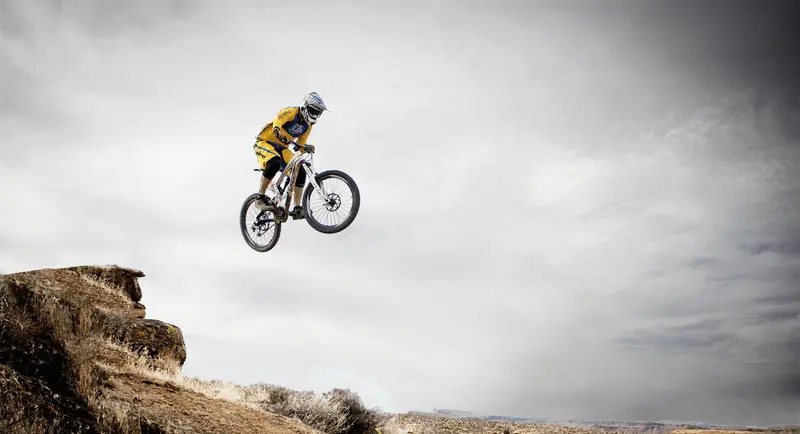
Off-pavement riding exposes you and your bike to less than ideal conditions, such as heavy vibration, spotty traction and sudden twists and turns. With a greater possibility of losing control, it’s crucial to have proper safety equipment in case of a crash. Other than the mandatory helmet, it’s recommended to add a few more accessories to your gear list, such as gloves, elbow and knee pad as well as reinforced shoes. If you end up on the ground, you may very well be far away from help, so the more you can protect yourself from injury, the better. Include basic first aid medical equipment in case of cuts or scrapes. Carry a multi-tool and extra tubes (and know how to use them) to get your bike back on the trail, instead of having to walk it all the way back to civilization.
Convenient gear for commuters
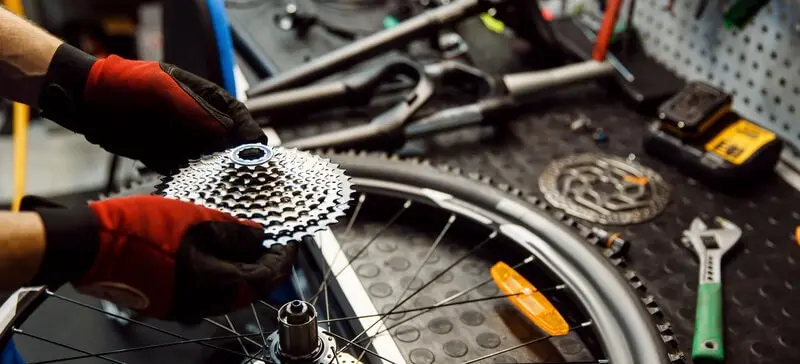
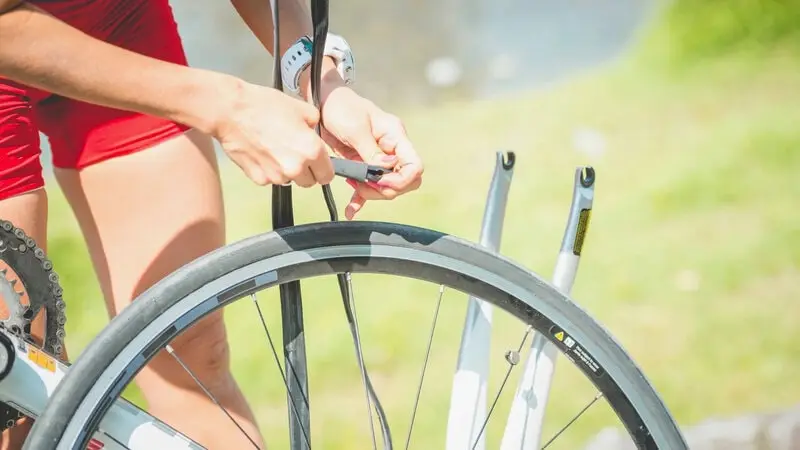
If you ride your bike to work or school, it makes sense to equip it and yourself for the task at hand. Pack a multi-tool to make repairs and adjustments and tubes to change out a flat. Of course, if all fails, you can catch a ride or walk to your destination.
Bike theft is very prevalent in urban environments. When commuting by bike you should put in some effort in ensuring that you will find your bike where you left it. Nothing deters bike theft more than a hefty U-lock. Even if you have secured parking at work, you’ll need to secure during coffee or grocery stops on your commute to and from.
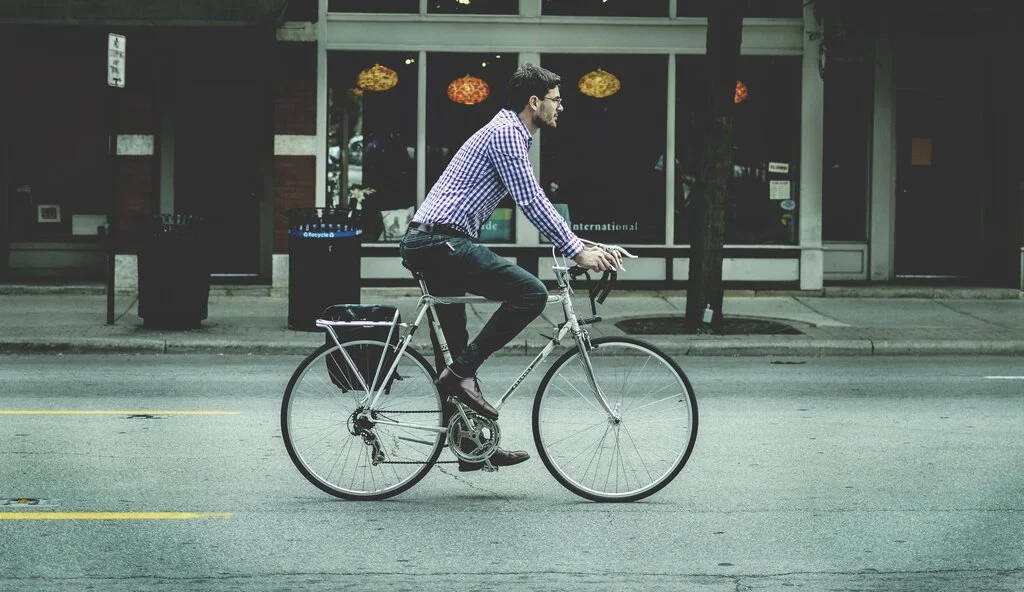
Tired of packing an extra set of clothes along for your job? Specialized riding clothes let you look professional at the office while performing like riding pants on your bike. Fabrics wick moisture away from your skin, repel water in the rain and have reflective piping that you can reveal by rolling up a sleeve or pant leg.
If you use navigation apps on a smartphone, mount on the stem or handlebars. That way, you won’t have to worry about your phone slipping out of your pocket.
Gear up for safety
Safety should be the main priority when riding. No matter what your riding style, there are some things you just can’t overlook.
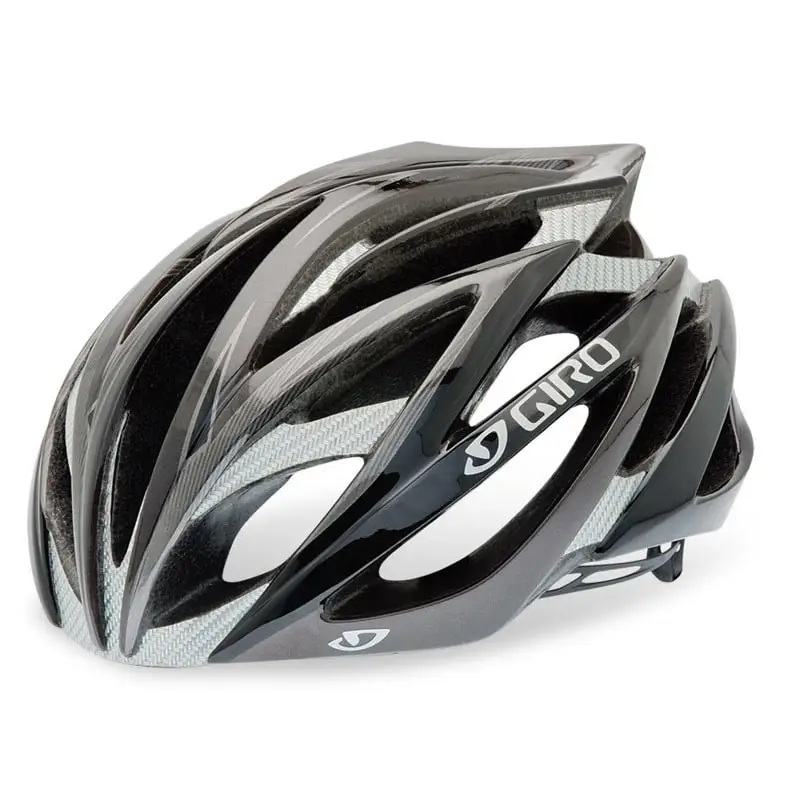
Helmet: Unless you’re younger than 16, you’re not required to wear a helmet, but it is highly recommended that every cyclist wear a helmet. The best winter helmets have removable ear pads, adjustable ventilation and work with either goggles or glasses. Dark colors and fleece liners keep your head warm. In summer, choose light colors to reflects the sun away from your head and pick helmets with lots of ventilation.
Eyewear: Protect your baby blues or browns from bugs, dust and other road debris. Ballistic goggles or glasses are best to protect from flying rocks or gravel without shattering.
Reflective gear and lights: Front and rear road lights will help you be more visible to others on the road after dark or during gloomy weather. If you want to light up bright trails at night, use a powerful mountain bike light with more than 1,000 lumens. Make sure the battery is adequate to keep it illuminated for your entire ride length so you won’t get left in the dark.
Whether you’re commuting to work or hitting the trails - consider a bicycle insurance policy from Velosurance
Frequently Asked Questions
- What clothing approach works best for cold-weather cycling?
- Breathable merino wool base layers that wick moisture while providing warmth are the best foundation for winter rides. Heavy, bulky clothing restricts movement and causes overheating as your body burns energy. For extremely cold environments, full body suits offer easy layering. Specifically designed head warmers, gaiters, booties, and gloves built to repel wind and water round out a winter kit. For your bike, adding fenders prevents muddy spray from reaching you and your riding partners.
- What gear should mountain bikers carry on trail rides?
- Off-pavement riding demands more protection and self-sufficiency. In addition to a helmet, gloves, elbow pads, knee pads, and reinforced shoes reduce injury if you crash. A multi-tool and extra tubes let you repair a flat or mechanical issue far from help rather than walking out. Basic first aid equipment covers cuts and scrapes. Carrying everything you need means a trailside problem stays a minor inconvenience.
- What security gear is most effective for urban bike commuters?
- A hefty U-lock is the strongest deterrent against bike theft in urban environments. Bike theft is prevalent in cities, and even secured parking at a destination does not protect against theft during coffee stops or grocery runs along the route. Pair the U-lock for the frame with a cable for the wheels for comprehensive coverage.
- What lighting setup should cyclists choose for different riding conditions?
- Front and rear road lights are essential for visibility after dark or during gloomy weather, making you visible to others on the road. For lighting up dark trails at night, choose a powerful mountain bike light with more than 1,000 lumens. Confirm the battery life is sufficient for the full ride length so you are not left in the dark partway through.
- What type of eyewear protects cyclists from road and trail hazards?
- Ballistic-rated goggles or glasses offer the best protection from bugs, dust, flying rocks, and road debris. Standard eyewear can shatter on impact, while ballistic-rated lenses are designed to withstand the force of gravel or other projectiles without breaking.