TL;DR:
Storing your bike thoughtfully—clean, sheltered, and climate-aware—greatly extends its life and performance, while preventing premature wear, corrosion, and damage
- Give your bike a light cleaning—wipe down the frame and drivetrain
- Indoor storage is best to shield from theft and the elements
- If storing outside is unavoidable—lock & cover
Prep it for storage
Whether you ride your bike every day or occasionally, putting it away clean will significantly extend its life. It might seem counter-intuitive, but bikes require a bit more care than cars. A bike’s drive train is exposed to the elements and attracts more dirt and moisture. When not properly maintained, dirty and wet components will wear out significantly faster.
At a minimum, wipe down the frame and the drive train. Unless the bike is exceptionally dirty and absolutely requires a bath, you can get away with brushing the the dust off the frame and wiping the chain with a rag.
If the bike is dirty and/or wet, do not put it away! Take a few minutes to wash it with soapy water, dry and lube the components. Consider reading our guide to cleaning the bike chain.
If you ride often, you might want to invest in some detergents and accessories to save time on bike cleaning. Companies like Muc-Off and Finish Line offer a wide range of cleaners and tools, designed to reduce time needed to make your bike look brand new.
Give it shelter
Besides putting your bike at increased risk for theft, storing it outside in the elements shortens the life of bike parts through exposure to wear-causing dust and moisture that encourages rust. If at all possible, store your bike indoors. Simple bike hooks cost just a few dollars and let you store your bike securely on a garage wall, or in a shed without requiring additional space. If the bike has hydraulic brakes, do not hang it upside down as air will go into the caliper, making your brakes “soft.” It might take quite a bit of time until the air finds its way back to the top of the reservoir after being righted. Sometimes this issue might require a trip to the bike shop to get the brake lines bled.
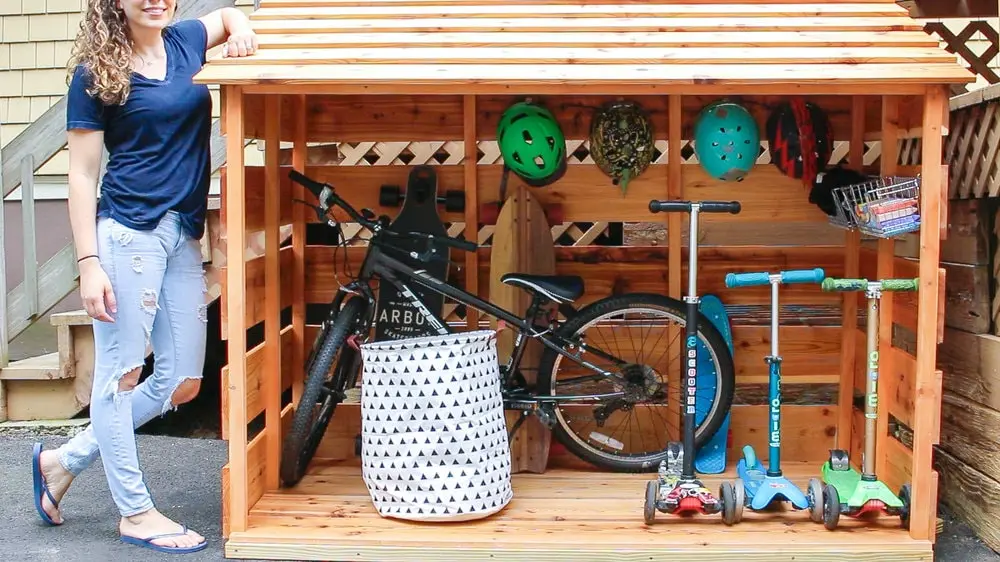
If you hang your bike on the wall, position it at a level where it's easy for you to inspect and work on it, such as lubing the chain. Make sure the hooks are securely mounted in wall studs. Avoid parking it with the wheels on the concrete floor as concrete draws moisture out of the tire rubber, making it age and crack prematurely. If you must store your bike on the floor, put a piece of wood or carpeting under the wheels. Keep tires properly inflated to prevent bulges, cracks and weak spots.
If you hang your bike on the wall, position it at a level where it's easy for you to inspect and work on it, such as lubing the chain.
Tip: Invest a few dollars more for a wall-hanging rack with a built-in lock. This will prevent your bike from becoming an easy target for thieves who look for snatch-and-grab opportunities from homes with the open garage doors.
Key Takeaways
- Store your bike indoors whenever possible—outdoor exposure accelerates rust, dust buildup, and wear
- Clean and dry your bike before storage; hanging it dirty or wet leads to corrosion and drivetrain damage
- Avoid hanging bikes upside-down if they have hydraulic brakes; it can introduce air into the system and cause spongy brakes
- Never rest wheels directly on concrete—it ages them quickly; instead, use a mat, piece of wood, or carpet for protection
- If you must store it outdoors, use locked frames and wheels, protective covers, and consider a bike-sized storage tent for added security
Invite it inside
It might not be fun hoofing your bike up three flights of stairs to your apartment, but you and your bike are better off in the long run. Use a spray bottle to clean off the bike on the landing before bringing it inside.
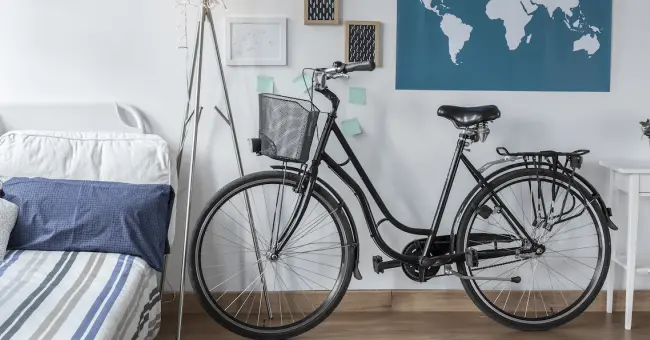
You can use a variety of racks to hang your bike from the wall or ceiling. Mount racks securely to stud beams inside the wall or ceiling or they'll pull out, damaging the wall. If you choose artisan racks that incorporate shelves or artsy designs, your bike can double as wall art when it’s not rolling down the road. If you don't want to risk making holes in the wall, get a freestanding floor stand. Some models hold up to four bikes. There’s also a large number of DIY solutions.
If you must store it outside
Storing your bike in a garage, apartment, basement or shed is the safest choice, but there are circumstances where rules and regulations leave you with no choice. Make sure to lock your bike frame and wheels to an immovable object such as a public bike rack. The safest way to lock your bike is to secure the frame to the bike rack with a U-lock and use a long cable to secure the wheels to the frame.
Cover your bike to protect it from the elements as much as possible. If you store your bike on an apartment balcony, a bike-sized storage tent can keep it dry and out of the sun. If you have to lock your bike in a public rack, a locking bike cover can keep it protected. The best covers have zippers that protect completely from rain, snow and dust, and weather-protected heavy-duty grommets for your U-lock to pass through.
Putting it away for the winter
How you store your bike in winter depends on how much you intend to ride or whether you're planning to store it until spring. If you're taking it for rides in the cold weather, storing it somewhere cool such as a garage is best. Taking it back and forth from warm to cold can cause condensation, which in turn causes parts to corrode prematurely.
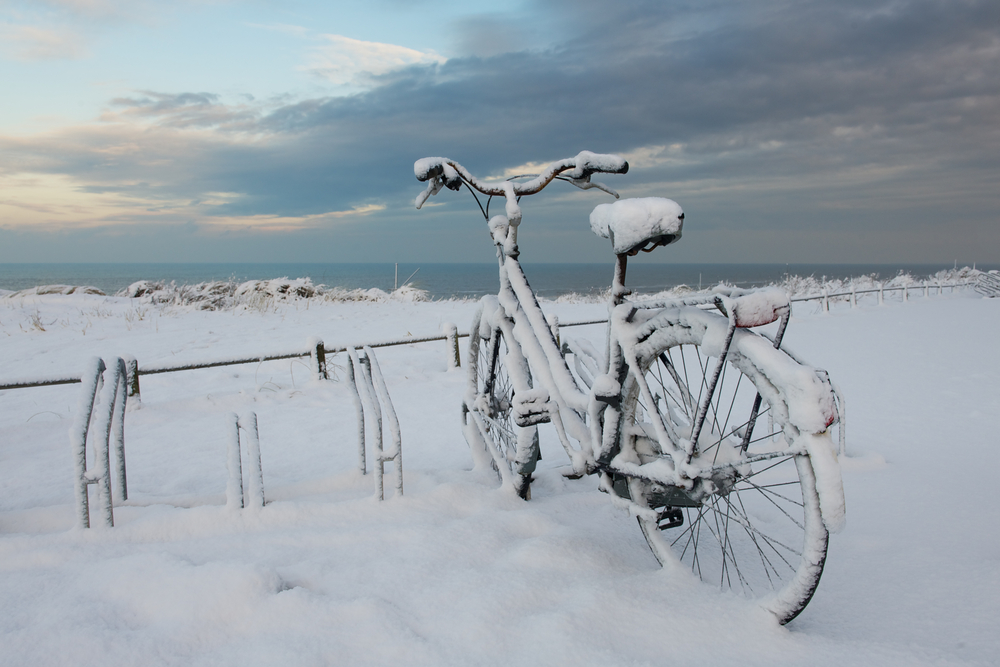
If you live in an area with four seasons, you will most likely need to store your bike in the off-season. Doing so will ensure that come next season, all you would have to do is pump up the tires and oil the chain before heading out. Putting away your bike “ridden hard and put away wet” will most likely result in expensive drive train replacement next season.
Store your bike in a place where the temperature will stay fairly constant all winter, such as indoors. Remove any water bottles and electronics from your bike and store them for the winter in a warm, dry place inside your home. Wash your bike thoroughly with soap and water, air up the tires and lubricate the chain and cables. Give your bike a tune-up now so you're ready to ride as soon as nice weather returns.
Insure your investment
No matter how carefully you store your bike, the unexpected can happen. Insure your bike against damage, theft loss and liability to stay protected.
Frequently Asked Questions
- What preparation does a bicycle need before being put away after a ride?
- At a minimum, wipe down the frame and the drivetrain. Unless the bike is exceptionally dirty, brushing off dust and wiping the chain with a rag is sufficient. If the bike is dirty or wet, wash it with soapy water, dry it, and lubricate the components before storing. Putting a dirty or wet bike away leads to faster corrosion and significantly shorter component life.
- What storage position should be avoided for bikes with hydraulic brakes?
- Hanging a bike with hydraulic brakes upside down lets air travel into the caliper, resulting in soft or spongy brakes. This can take a long time to resolve on its own after the bike is righted, and sometimes requires a trip to the bike shop to bleed the brake lines.
- What surface should be avoided when resting bike wheels on the floor?
- Concrete draws moisture out of tire rubber, causing it to age and crack prematurely. If you must store the bike on the floor, place a piece of wood, carpeting, or a mat underneath the wheels. Keep tires properly inflated to prevent bulges, cracks, and weak spots from developing during storage.
- What is the best approach for winter off-season bicycle storage?
- Store the bike indoors where the temperature stays fairly constant, since moving a bike repeatedly between warm and cold spaces causes condensation and accelerates corrosion. Wash the bike thoroughly, inflate the tires, and lubricate the chain and cables before putting it away. Remove water bottles and electronics and store them separately in a warm, dry place. A thorough tune-up now means you are ready to ride as soon as spring arrives.
- What precautions make outdoor bike storage as secure and protected as possible?
- Lock the frame to an immovable object with a U-lock and use a long cable to secure the wheels to the frame. Cover the bike with a weather-resistant cover to protect it from rain, snow, and dust. A bike-sized storage tent works well for apartment balconies and provides additional security. Wall-hanging racks with a built-in lock are a strong deterrent against opportunistic theft when the garage door is left open.