TL;DR:
If you're ever involved in a collision with a vehicle while cycling—what matters most is what you do after it happens. Stop riding, call for help, focus on documentation, and keep quiet until you've talked to legal or insurance professionals
- Request both police and emergency medical services at the scene. Quick intervention can be critical
- Avoid discussing details, especially fault. Anything said could be used against you by the driver or their insurer
- Seek out and document any witnesses. These statements can support your case, as drivers are required by law in many states to pass cyclists cautiously and safely
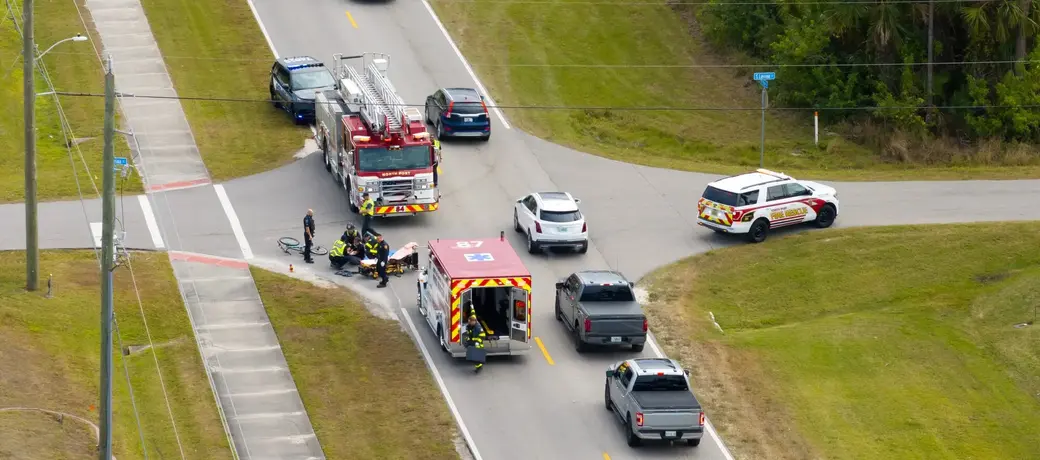
First of all, call 911 and ask for the police and EMS
Next, don’t talk to anyone about the crash, especially who could be at fault. When the crash happens anything you say might be evaluated by the driver’s insurance company for its potential as evidence against you.
However, you won’t want to remain silent after the crash. If a law enforcement officer is at the accident site asking questions about the crash, make sure you give the officer your version of what happened along with providing your name and address.
If you said to a witness "I didn’t see the car before it hit me" the insurance company hears "I wasn’t paying attention".
Don’t assume that the police have prepared or will prepare an accident report. These reports are only completed if the police investigate an accident, and policies on accident reports will vary from one law enforcement agency to another. If an accident report is prepared, make sure that it is accurate.
Get contact information of witnesses
If injured and you cannot get the names of witnesses ask someone to do it for you. When the police respond to the accident they should gather the drivers information. Make sure that the police have the information before the driver leaves.
I witnessed a bicycle versus auto accident where the car driver admitted running the red light and causing the accident. I gave the bike rider my card and told her I was a witness and that she was riding through a green light. She didn't want to take my card because the driver was being so nice and admitting fault, but I insisted.
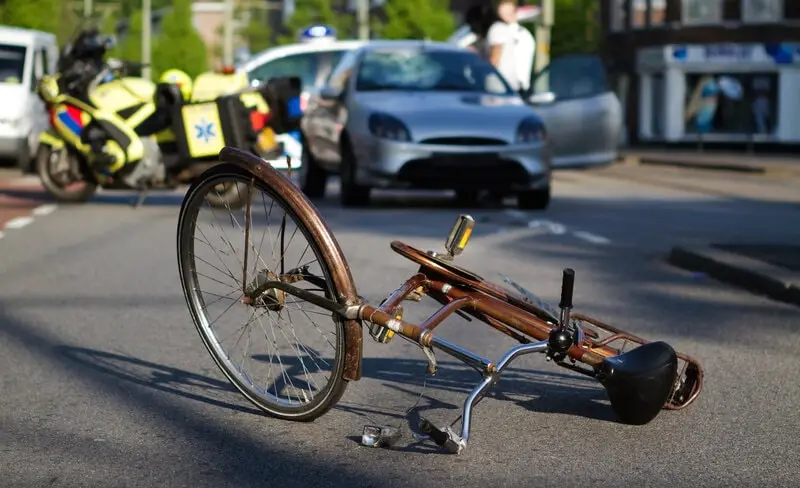
An hour later the cop who took the accident report called me for my version of the accident because the car driver and the cyclist stories were polar opposites. The car driver told the cop that the cyclist ran the red light. After I explained how the accident actually happened the car driver was cited for running a red light and causing the accident. ALWAYS find and document witnesses.
There are statutes (laws) in most states that require a driver to pass a cyclist at a safe distance as well as give warning and exercise care to avoid colliding with a cyclist. If the driver hit you with a car then the driver has violated these laws. Remember this and tell the police that you are aware of the law regarding cyclists and motor vehicles and why the driver should be ticketed.
The police should collect this information, but there’s no guarantee that the responding officer will do a good job or even write the driver a ticket, so if you’re not seriously injured, make sure that the police have the correct information and ask the police to write the driver a ticket.
Ask how you can get a copy of the accident report
Talk with the officer to make sure he/she has correct details of the accident and let the police know that you know what laws the driver has violated.
After the crash, you may decide that you want to file a claim with the driver’s insurance company. However, do not discuss the accident with the driver’s insurance company before speaking with an attorney. Again, the driver’s insurance company may take an adversarial position so be careful what you say and to whom you say it. Insurance companies are highly skilled at mitigating claims; so do not discuss the accident until you have consulted with an attorney.
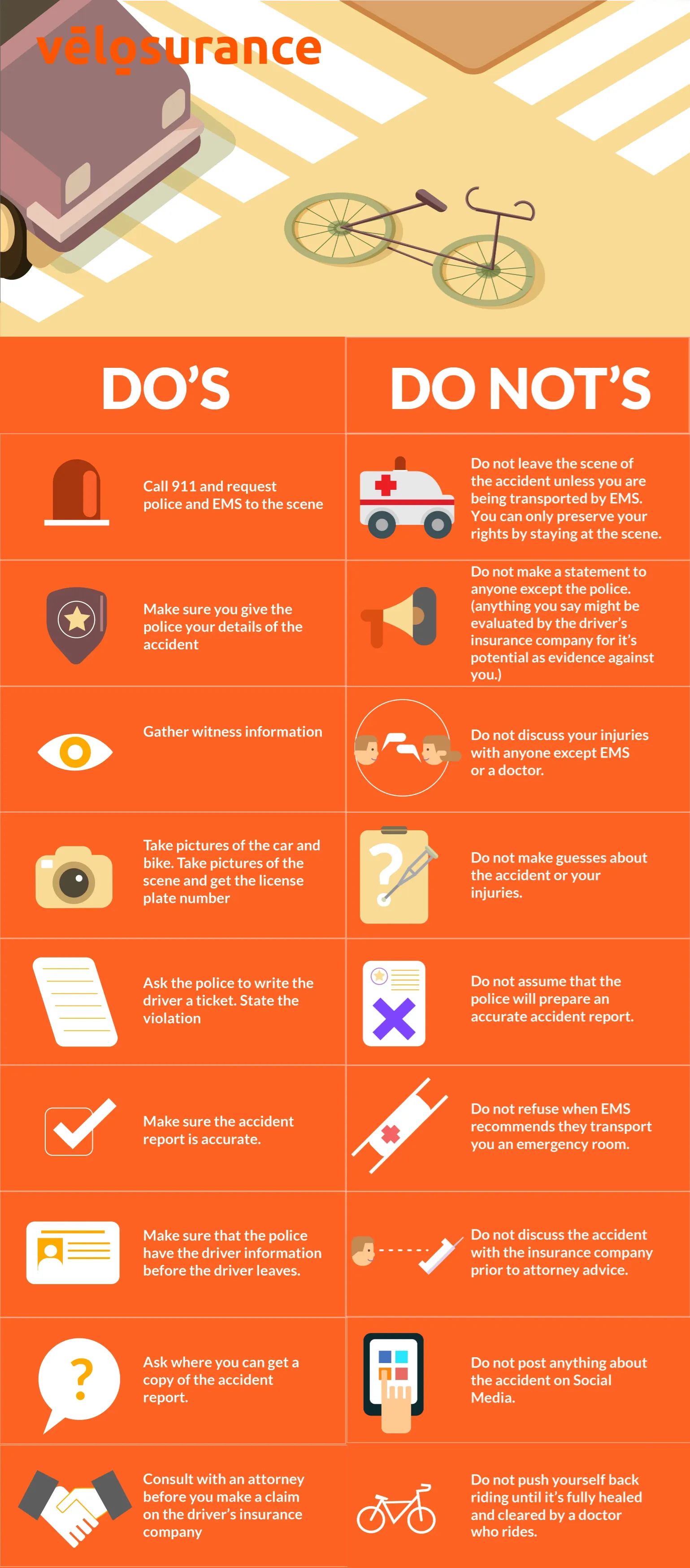
- Call 911 and request police and EMS to the scene
- Gather witness information
- Ask the police to write the driver a ticket
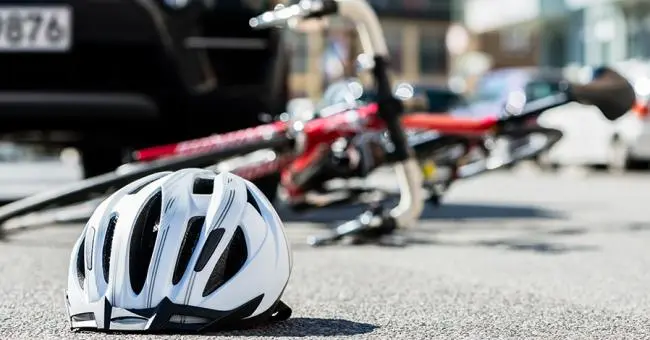
- Take pictures of the car and bike
- Take pictures of the scene
- Get the car license plate number
- Do not make a statement to anyone except the police
- Consult with an attorney before you make a claim on the drivers insurance company
Velosurance.com offers insurance for cyclists to protect your bicycle from many types of losses, crashes, theft and a bunch of other things that can happen to your bicycle. The world is not a friendly place for a bicycle but with Velosurance you can be protected from the unexpected.
Key Takeaways
- Call 911 immediately—get police and medical help to the scene right away
- Gather witness details, license plate info, and take photos of your bike, the car, and the crash scene
- Tell police you’re aware of cycling safety laws (like passing and yielding) to help ensure proper accountability
- Only speak to the police—don’t make statements to the driver’s insurer until you’ve consulted a lawyer
- Speak with an attorney before filing a claim with the driver’s insurance—they may use your own words against you
Frequently Asked Questions
- What are the first steps a cyclist should take right after being hit by a car?
- Call 911 immediately and request both the police and Emergency Medical Services. Getting law enforcement and medical professionals to the scene quickly protects your health and creates the official record you will need later. Only give your version of events to the responding officer, along with your name and address. The caveat worth knowing: anything you say to the driver, bystanders, or witnesses about fault can be evaluated by the driver's insurance company as evidence against you, so keep conversation to a minimum until police arrive.
- How to gather the right evidence at a bicycle-car accident scene?
- Collect contact information from every witness you can identify. The police should also gather the driver's details, including their name, insurance, and license plate number. Take photos of the car, your damaged bike, and the crash scene. If you are injured and cannot collect information yourself, ask someone at the scene to do it for you before the driver leaves.
- What should a cyclist know about statutes protecting cyclists from motor vehicles?
- Statutes in most states require drivers to pass cyclists at a safe distance, give warning, and exercise care to avoid a collision. If a driver hits you, they have violated those laws. Tell the police that you are aware of the laws regarding cyclists and motor vehicles and ask the officer to write the driver a ticket. This helps ensure the responding officer documents the incident accurately and applies the appropriate accountability.
- When to consult an attorney after a bike versus car accident?
- Speak with an attorney before filing a claim with the driver's insurance company. Insurance companies are skilled at mitigating claims and may take an adversarial position. Consulting legal counsel first puts you in the strongest position before any statements are made or any claim is formally initiated.